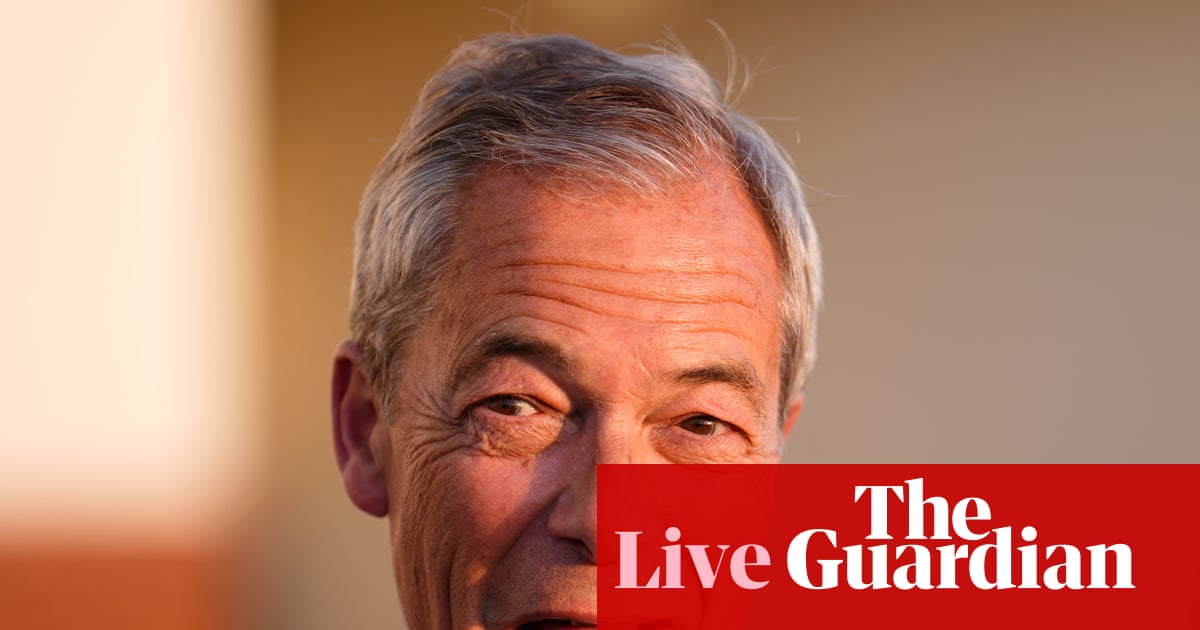
In a significant disclosure to the UK’s Electoral Commission, Reform UK has reported a substantial influx of political funding during the first quarter of 2026. The party, led by Nigel Farage, confirmed that it secured £9 million in donations between January and March, a figure that underscores the growing financial momentum behind the populist movement as it navigates the current parliamentary landscape.
The financial report, mandated by the Political Parties, Elections and Referendums Act 2000, highlights that a significant portion of this total—specifically £7 million—originated from two individual donors identified as cryptocurrency entrepreneurs. This injection of capital marks a notable shift in the funding profile of British political parties, reflecting the increasing influence of digital asset wealth in domestic policy discourse.
Financial Disclosure and Regulatory Oversight
Under the regulatory framework overseen by the Electoral Commission, all UK political parties are required to publish details of donations exceeding certain thresholds to ensure transparency in the democratic process. The latest filings for the first quarter of 2026 provide a granular view of the party’s donor base, which has seen a marked expansion since the previous general election cycle. According to the Electoral Commission’s official register of donations, the scale of these contributions is among the largest single-quarter totals recorded by the party to date.

The involvement of high-net-worth individuals from the crypto sector has prompted discussion regarding the intersection of emerging financial technologies and political advocacy. As the party continues to articulate its vision for the UK economy, the use of these funds—whether for grassroots campaigning, digital outreach, or policy research—remains a subject of intense interest for political analysts and the public alike.
The Evolving Political Landscape
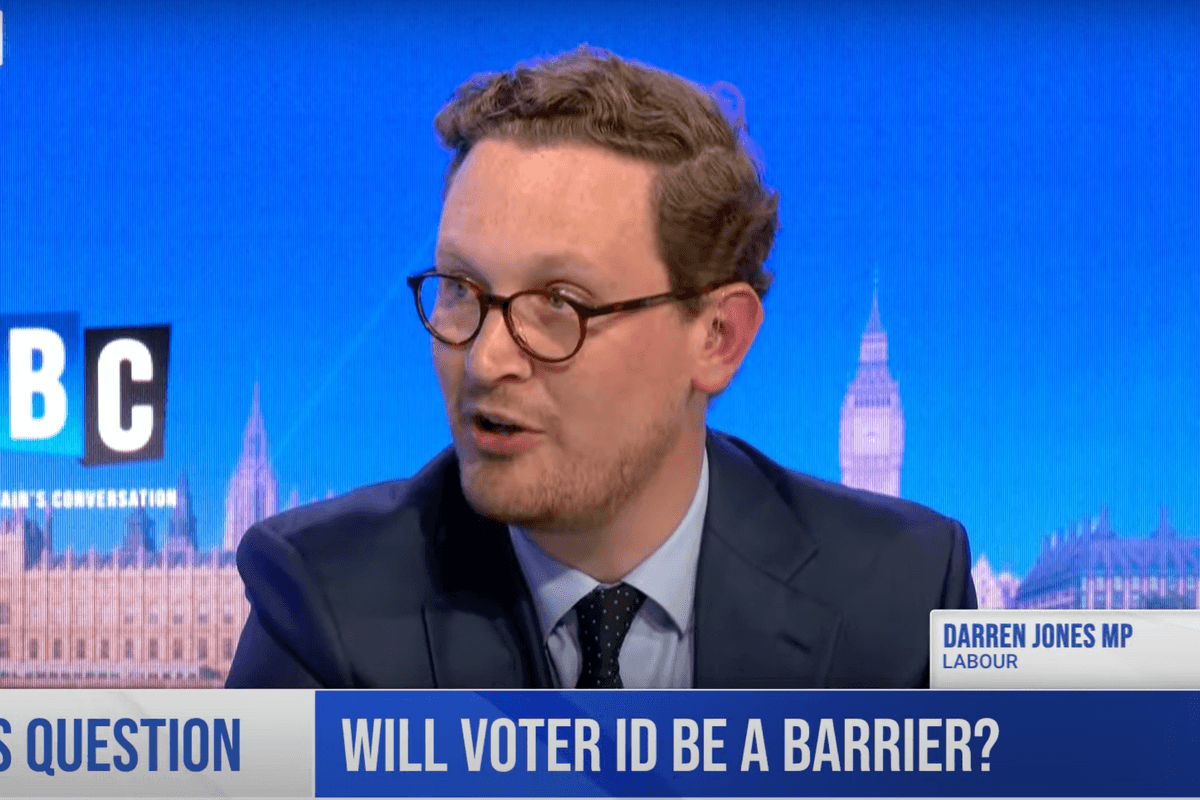
While Reform UK’s financial disclosures have drawn headlines, the broader Westminster environment remains turbulent. Recent reporting has focused on the internal dynamics of the Labour Party, particularly regarding the correspondence between senior officials and key political figures. Reports surfacing this week have detailed private exchanges involving Darren Jones, the Chief Secretary to the Treasury, and Lord Mandelson. These disclosures have sparked widespread speculation regarding the stability of current leadership succession plans and the nature of internal communications within the government.

In response to the public scrutiny surrounding these communications, government figures have addressed the context of these messages. When asked about the nature of his exchanges, Darren Jones noted that while he felt frustration during the period in question, the public nature of these private reflections has made the current situation difficult. The incident has reignited debates over the professional standards expected of senior aides and the potential for digital record-keeping to alter the trajectory of political careers.
Key Takeaways
- Significant Funding Boost: Reform UK reported £9 million in total donations for Q1 2026, representing a major increase in the party’s operational budget.
- Crypto Capital: Two individual donors from the cryptocurrency sector contributed £7 million of the total, signaling a trend toward non-traditional political financing.
- Regulatory Compliance: All reported donations were filed in accordance with the Electoral Commission’s statutory requirements, ensuring public visibility into party funding.
- Political Volatility: The release of private correspondence involving senior government figures has created a challenging backdrop for the current administration, further intensifying the focus on political transparency and accountability.
What Happens Next?
For Reform UK, the focus will now shift to deploying these resources ahead of upcoming electoral opportunities and local campaigns. The party is expected to continue its efforts to challenge the traditional two-party duopoly by leveraging its improved financial position to expand its national footprint. Political observers will be watching the next round of Electoral Commission filings to determine if this level of high-value donation continues throughout the remainder of the year.
Concurrently, the fallout from the released correspondence in the Labour Party is expected to remain a focal point of parliamentary scrutiny. Further updates regarding the internal review of these communications or any potential changes to the government’s communications policy may be addressed in future ministerial statements. Readers are encouraged to monitor the official Parliament website for the next scheduled sessions and public records release dates.
This is a developing story. We invite our readers to share their thoughts on the implications of digital asset funding in politics and the evolving standards of political communication in the comments section below.
Related reading