
Global economic resilience is being tested like never before, with supply chain disruptions, shifting trade policies, and geopolitical tensions creating a complex web of challenges for businesses and policymakers alike. At the heart of these pressures lies the automotive sector—a barometer for broader economic health, where even minor fluctuations can ripple across industries and continents. The Groupo Unido de Importadores de Automóviles (GUIA), a key player in Latin America’s automotive trade, has recently underscored the dual strain on both local and global economies, signaling a moment where regional stability intersects with worldwide economic trends.
As trade dynamics evolve, the automotive industry remains a critical indicator of economic vitality. With the International Monetary Fund projecting slower growth in 2026, the sector’s ability to adapt to new regulations, technological shifts, and consumer demands will determine whether economies can sustain momentum—or face deeper downturns. For businesses, the stakes are high: understanding these pressures isn’t just about survival, it’s about seizing opportunities in an era where agility is currency.
The automotive trade, in particular, serves as a microcosm of these broader challenges. From tariff wars to semiconductor shortages, the industry’s vulnerabilities expose the fragility of interconnected global systems. Yet, within these challenges lie pathways to innovation—whether through localized supply chains, sustainable manufacturing, or digital transformation. The question is no longer if the economy will adapt, but how.
Automotive Trade: A Bellwether for Economic Health
The automotive sector’s role as an economic bellwether is well-documented. According to the International Organization of Motor Vehicle Manufacturers (OICA), global vehicle production in 2025 reached approximately 85 million units, a figure closely tied to GDP growth in manufacturing-dependent economies. In Latin America, where GUIA operates, the automotive trade accounts for a significant share of regional exports, making its health a litmus test for economic stability.
Recent data from the U.S. International Trade Administration highlights the region’s growing integration into global supply chains, particularly in electric vehicle (EV) production. However, this integration comes with risks: disruptions in one market can cascade across borders, as seen in the 2023 semiconductor shortage that idled factories from Mexico to Brazil. For GUIA, navigating these risks requires a balance between leveraging global opportunities and mitigating local vulnerabilities.
Rosángela Guerra, president of GUIA, has emphasized the need for a coordinated approach to address both local and global economic pressures. While her statement—“la economía local y la economía global están interconectadas como nunca antes”—reflects a widely held view among trade experts, the specifics of how this interconnection plays out in practice remain a subject of debate. For instance, while some economists argue that regional trade blocs, such as the Economic Commission for Latin America and the Caribbean (ECLAC), can shield economies from global shocks, others caution that over-reliance on such blocs may limit innovation and competitiveness in the long term.
Key Challenges: Tariffs, Technology, and Talent
The automotive industry’s current struggles can be distilled into three primary challenges: tariffs and trade barriers, technological disruptions, and labor market shifts. Each of these areas presents both obstacles and opportunities for businesses and policymakers.

1. Tariffs and Trade Barriers
Trade tensions continue to reshape the automotive landscape. The U.S.-EU trade dispute over electric vehicle tariffs, for example, has sent shockwaves through global supply chains, prompting manufacturers to reassess their production strategies. In Latin America, where many vehicles are assembled for export, these tensions have led to increased costs and uncertainty. GUIA’s members, who import vehicles from multiple regions, are particularly vulnerable to these fluctuations.
According to a World Bank report on trade policy, the average tariff on automotive imports in Latin America has risen by nearly 15% since 2020, driven in part by protectionist measures aimed at bolstering domestic industries. While these policies can provide short-term relief for local manufacturers, they also risk isolating regional economies from global innovation cycles.
2. Technological Disruptions
The shift toward electric and autonomous vehicles is accelerating, but not without growing pains. The International Energy Agency (IEA) estimates that EVs will account for nearly 30% of global vehicle sales by 2030, a transformation that demands significant investment in infrastructure, battery technology, and workforce retraining. For Latin American markets, where traditional internal combustion engine (ICE) vehicles still dominate, this transition presents a formidable challenge.
GUIA’s members are at the forefront of this shift, importing both ICE and EV models to meet evolving consumer demands. However, the lack of standardized regulations across the region complicates compliance and increases operational costs. For instance, Brazil’s National Institute for Electric Mobility (Instituto Nacional de Mobilidade Elétrica) has proposed stricter emissions standards for 2027, while Mexico’s policies remain less prescriptive, creating a patchwork of requirements that importers must navigate.
3. Labor Market Shifts
The automotive industry is also grappling with a labor shortage, particularly in skilled trades such as manufacturing, engineering, and software development. The International Labour Organization (ILO) reports that the sector faces a global deficit of approximately 5 million skilled workers, a gap that is widening as automation and electrification reshape job requirements.
In Latin America, where manufacturing hubs like Mexico and Brazil are critical to the automotive supply chain, this shortage poses a direct threat to production capacity. GUIA’s members are responding by investing in vocational training programs and partnerships with technical universities to bridge the skills gap. Yet, the long-term sustainability of these efforts remains uncertain, particularly in regions with high youth unemployment and limited access to education.
Opportunities Amidst the Challenges
Despite these challenges, the automotive industry is also a hotbed of innovation. Three key trends are emerging as potential game-changers:
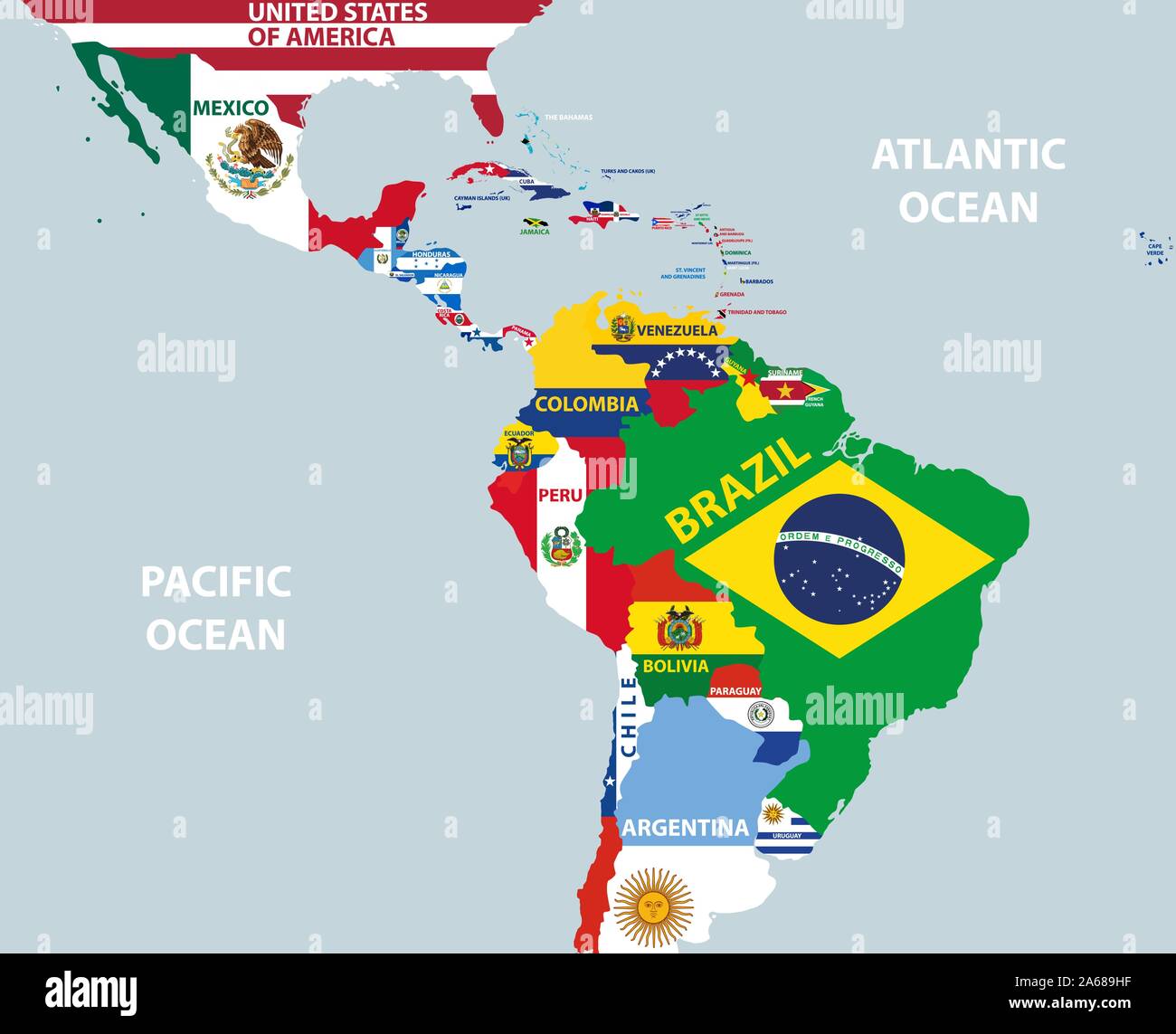
- Localized Supply Chains: The push for nearshoring—relocating production closer to end markets—is gaining traction, particularly in North and South America. Companies are reducing reliance on distant suppliers to mitigate risks associated with geopolitical instability and logistics delays. For GUIA, this trend presents an opportunity to strengthen regional partnerships and reduce dependency on distant manufacturing hubs.
- Sustainable Manufacturing: The demand for greener production methods is driving investments in renewable energy, circular economy practices, and carbon-neutral logistics. Latin American countries with abundant renewable resources, such as Chile and Uruguay, are positioning themselves as attractive destinations for sustainable automotive manufacturing.
- Digital Transformation: The adoption of Industry 4.0 technologies, including AI, IoT, and advanced analytics, is optimizing production processes and enhancing supply chain visibility. For importers like GUIA, leveraging these technologies can improve inventory management, reduce waste, and enhance customer responsiveness.
What’s Next for the Global Economy?
The automotive sector’s trajectory will be a critical factor in shaping the global economy’s path forward. With the United Nations’ Sustainable Development Goals (SDGs) pushing for decarbonized transport and inclusive growth, the industry faces unprecedented pressure to align with these objectives. For businesses like GUIA, this means balancing profitability with sustainability—a tightrope walk that will define the sector’s role in the next decade.

Looking ahead, several milestones will shape the economic landscape:
- The implementation of new trade agreements, such as the U.S.-Mexico-Canada Agreement (USMCA), which includes provisions for automotive trade and environmental standards.
- The rollout of EV infrastructure in emerging markets, which will determine the pace of adoption and the feasibility of large-scale production.
- The outcome of geopolitical tensions, particularly between major economies, which could either stabilize or further disrupt global supply chains.
Key Takeaways
- The automotive industry remains a critical barometer for economic health, with its challenges reflecting broader global trends.
- Trade barriers and technological shifts are reshaping supply chains, demanding greater agility from businesses and policymakers.
- Labor shortages and skills gaps pose long-term risks to production capacity, particularly in regions reliant on manufacturing.
- Opportunities in sustainability and digitalization are emerging as key differentiators for competitive advantage.
- The next 12–18 months will be pivotal, with trade agreements, EV adoption, and geopolitical stability as major determinants of economic resilience.
How to Stay Informed
For businesses navigating these challenges, staying ahead requires access to reliable data and expert insights. Here are key resources to monitor:
- International Organization of Motor Vehicle Manufacturers (OICA) – Global automotive production and market trends.
- IMF World Economic Outlook – Macroeconomic forecasts and policy recommendations.
- Economic Commission for Latin America and the Caribbean (ECLAC) – Regional economic analysis and trade reports.
- IEA Global EV Outlook – Electric vehicle market trends and policy impacts.
- U.S. International Trade Administration – Trade data and market access tools.
The road ahead for the global economy is fraught with uncertainty, but it is also ripe with opportunity. For the automotive sector—and the businesses that depend on it—the ability to adapt will determine who thrives and who falters. As Rosángela Guerra’s observations suggest, the lines between local and global economies are increasingly blurred, making collaboration and innovation more essential than ever.
What are your thoughts on the future of automotive trade? Share your insights in the comments below, or connect with us on social media to join the conversation.
Worth a look
- Solar Eclipse 2026: When Is It, How to Watch Safely, and Where to See It
- ECB Survey: European Banks Anticipate Tighter Lending Conditions
- Antiphospholipid Syndrome Management Shifts Toward Individualized Care (archyworldys.com)
- Paris Court Rules on Economic Substance in Intra-Group Royalties (newsdirectory3.com)