As we cross the threshold of 50, the conversation around fitness often shifts from aesthetic goals to the more critical pursuit of functional longevity. While cardiovascular health and flexibility remain paramount, there is one often-overlooked pillar of aging well: lower-body strength. The ability to maintain stability, navigate uneven terrain, and rise from a chair without assistance is not just a matter of convenience. it is a fundamental requirement for independence.
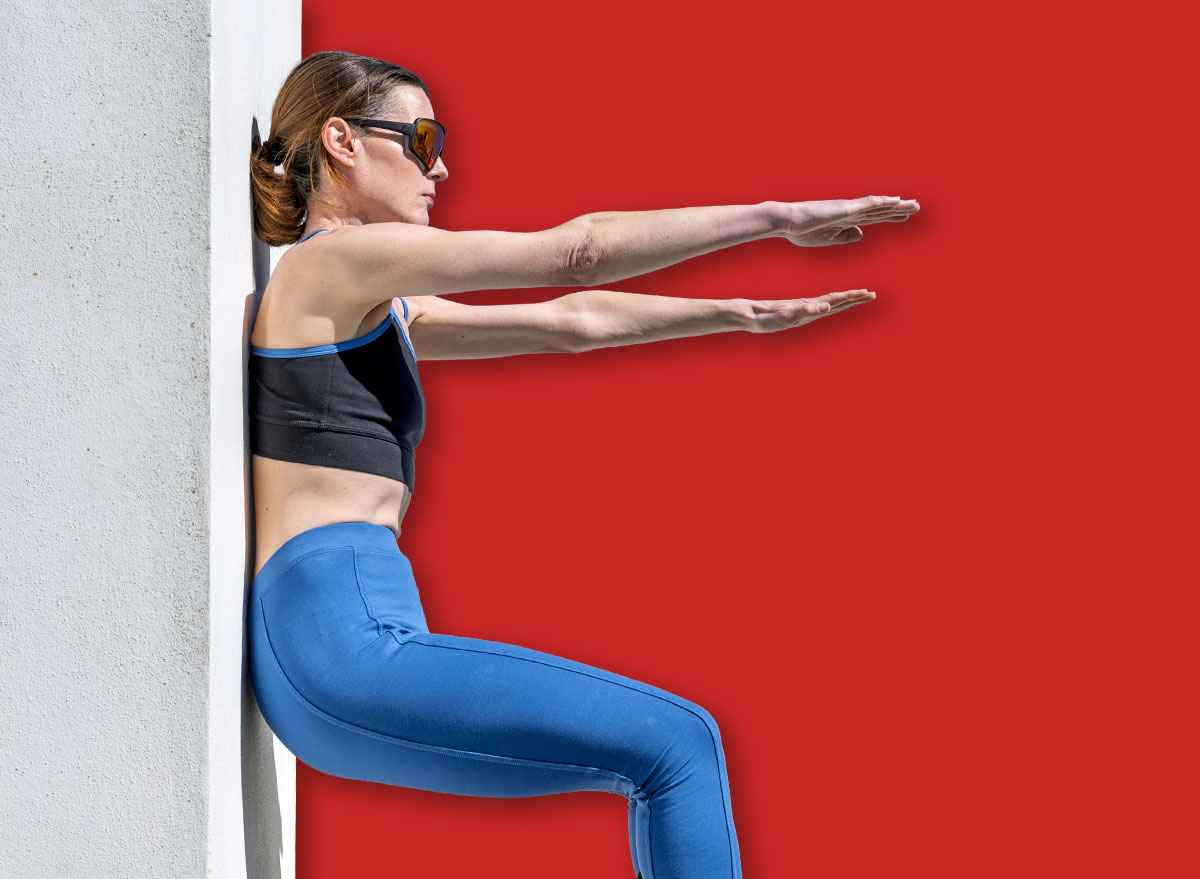
One of the most telling—and surprisingly simple—metrics for assessing this strength is the wall sit. This isometric exercise, which requires holding a squat position against a vertical surface, serves as a powerful indicator of muscle endurance, metabolic conditioning, and even mental fortitude. For those in the 50-plus demographic, your ability to sustain this hold can provide a window into your physiological resilience and your readiness for the physical demands of daily life.
According to fitness professional Luka Hocevar of Vigor Ground Fitness and Performance, the wall sit is an exceptional standard for measuring lower-body strength endurance because it is accessible, easy to teach, and requires minimal equipment. Because it involves working against gravity under consistent tension, it specifically targets the quadriceps, glutes, and core, making it a highly efficient tool for building stable, functional legs.
Decoding the Benchmarks: Where Do You Stand?
If you are looking to gauge your current fitness level, the wall sit offers a clear hierarchy of performance. Rather than relying on complex laboratory testing, you can use your hold time to determine whether you are maintaining a baseline level of activity or performing at an elite level. These benchmarks are intended as a guide for strength endurance and relative fitness.
Based on the coaching expertise of Hocevar, who has worked with a wide spectrum of clients ranging from professional athletes in the NBA and NFL to rehabilitation patients, the following timeframes serve as indicators of your lower-body conditioning:
| Fitness Category | Hold Duration | What It Indicates |
|---|---|---|
| Average | 30 to 60 seconds | A solid baseline for most active adults. |
| Above Average | 60 to 90 seconds | A high level of strength endurance. |
| Advanced | 90 to 120 seconds | Exceptional strength-to-weight ratio and metabolic conditioning. |
| Elite | 2 minutes or more | Top 1% to 5% of the demographic; “athlete territory.” |
Achieving “Elite” status is a significant milestone, signaling not only exceptional muscular endurance but also the mental toughness required to push through the physiological discomfort that inevitably accompanies prolonged isometric tension. As Hocevar observes, the mind often signals a desire to quit before the muscles have actually reached their absolute limit.
The Science of Isometric Training and Aging
To understand why the wall sit is such a potent test, one must understand the nature of isometric exercise. Unlike isotonic exercises, which involve the shortening and lengthening of muscles through a range of motion (such as a traditional squat or a lung), isometric exercises involve muscle contraction without a change in muscle length. This creates “static” tension.
For adults over 50, isometric holds offer several unique physiological advantages:
- Joint Stability: Because there is no repetitive movement through a joint’s range of motion, isometric exercises can be easier on the knees and hips than dynamic movements, making them an excellent tool for those managing mild osteoarthritis or joint sensitivity.
- Muscle Endurance: The sustained tension forces the muscle fibers to work continuously, improving the ability of the muscles to resist fatigue—a key component of functional movement.
- Neuromuscular Control: Holding a static position requires the brain to maintain constant communication with the motor units in the legs, enhancing the stability and coordination necessary to prevent falls.
The importance of maintaining this muscle mass cannot be overstated. As we age, we face the natural physiological challenge of sarcopenia, which is the progressive loss of skeletal muscle mass and strength. Sarcopenia is a primary driver of frailty in older populations, and targeted resistance training—including isometric holds—is one of the most effective ways to mitigate this decline.
Functional Longevity: Why Leg Strength Matters for Real-World Tasks
Fitness is most valuable when it translates into the ability to navigate the world with confidence. The wall sit is more than just a gym metric; it is a proxy for the strength required to perform essential “real-world” activities. When you possess high levels of lower-body endurance, the tasks that many take for granted become much easier to manage.
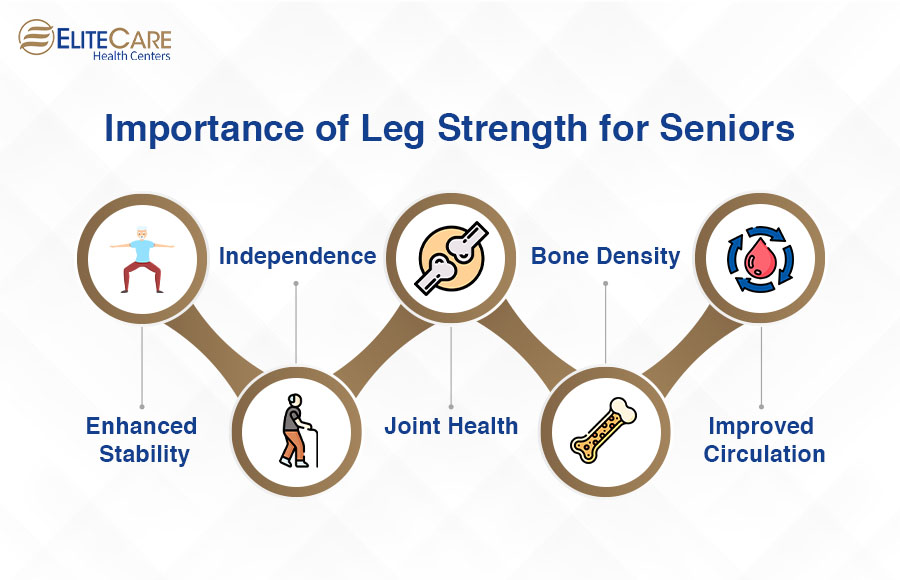
Hocevar notes that an excellent wall sit time suggests you likely will not struggle with basic daily movements such as standing up from a low seat, walking long distances, or climbing stairs. These activities require a reliable foundation of quadriceps and gluteal strength to maintain posture and drive movement.
as fitness levels increase, the capacity for more strenuous activities also expands. High levels of lower-body strength and endurance are foundational for:
- Hiking and Trekking: Navigating inclines and uneven terrain requires significant eccentric and isometric control.
- Sports and Recreation: Activities like tennis, cycling, or even brisk walking rely on the stability provided by strong legs.
- Fall Prevention: Stronger legs allow for quicker corrective movements if you lose your balance, which is a critical factor in preventing injuries related to falls.
Mastering the Form: How to Execute a Safe Wall Sit
To reap the benefits of the wall sit and avoid unnecessary strain, proper form is non-negotiable. Performing the exercise incorrectly can shift the tension away from the intended muscles or place undue stress on the lower back and knee joints.
Follow these steps to ensure a safe and effective hold:
- Positioning: Stand with your back against a flat, stable wall. Place your feet shoulder-width apart and slightly away from the wall.
- The Descent: Slowly slide your back down the wall by bending your knees. Continue until your thighs are parallel to the floor, ideally creating a 90-degree angle at both your hips and your knees.
- Back Alignment: Ensure your entire back, from your shoulders to your lower back, is pressed firmly and flat against the wall. Do not allow your lower back to arch away from the surface.
- Foot Placement: Keep your weight primarily in your heels rather than your toes. This helps engage the posterior chain and prevents excessive pressure on the kneecaps.
- Core Engagement: Keep your abdominal muscles engaged throughout the hold to support your spine and maintain stability.
Safety Considerations for Joint Health
While the wall sit is generally considered a low-impact exercise, individuals with pre-existing knee conditions should proceed with caution. If you feel sharp or localized pain in the patella (kneecap) or the joint itself, stop the exercise immediately. You can modify the depth of the sit—not going quite as low as 90 degrees—to find a range of motion that provides tension without causing pain. Always consult with a healthcare professional or a physical therapist if you are incorporating new resistance training into a routine while managing chronic joint issues.
Key Takeaways for Optimizing Leg Strength
- Consistency is Key: Like any form of strength training, the benefits of wall sits come from regular practice rather than sporadic, intense efforts.
- Track Your Progress: Use the time benchmarks to set realistic goals. Moving from a 30-second hold to a 45-second hold is a meaningful victory.
- Focus on Quality over Quantity: A shorter hold with perfect form is significantly more beneficial for stability and safety than a long hold with poor alignment.
- Integrate into Daily Life: You do not need a gym to perform this; it can be done in a hallway or against a kitchen wall during a break.
As you continue to refine your fitness regimen, remember that strength is a lifelong pursuit. The goal is not just to reach an “elite” number, but to build a body that is capable, stable, and ready for whatever adventures the future holds.
We encourage you to share your own progress or questions regarding functional fitness in the comments below. How long can you hold a wall sit?