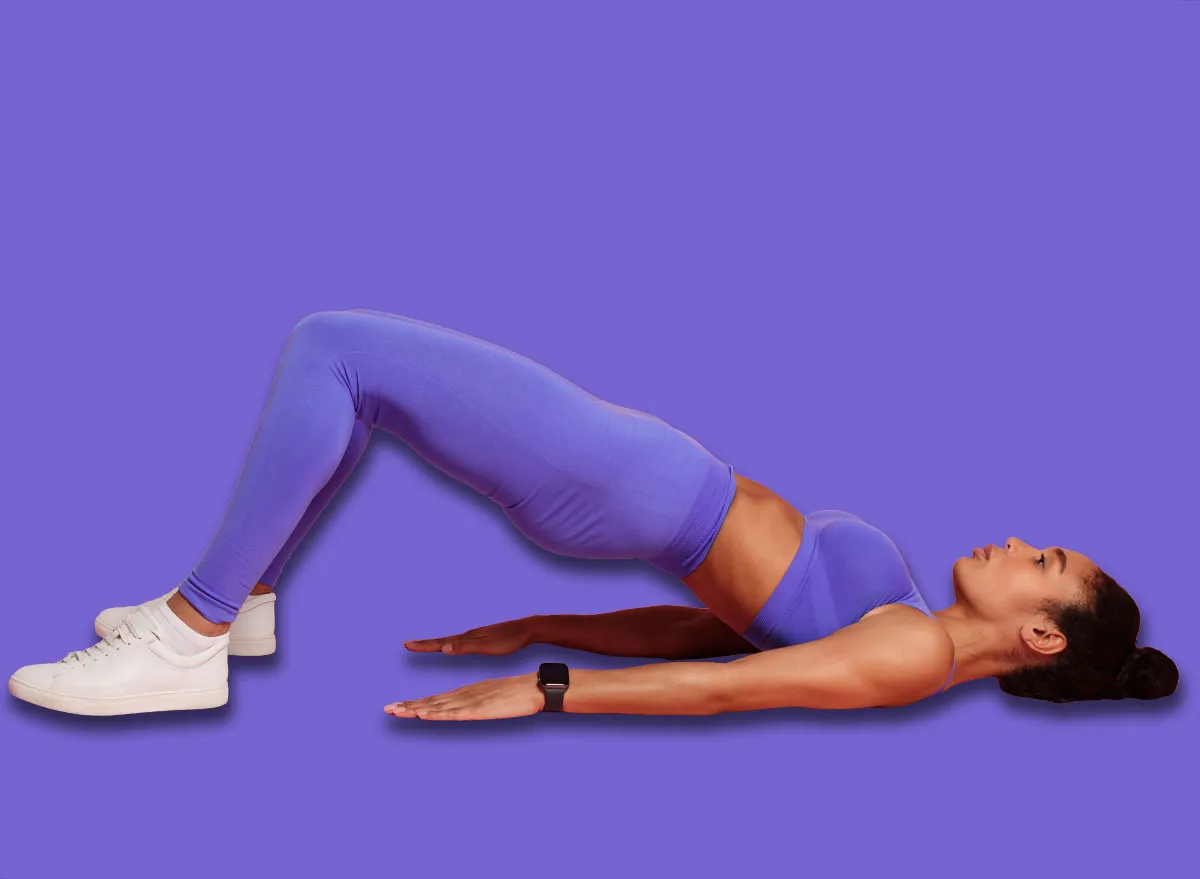
If You Can Hold a Bridge This Long After 60, Your Core Strength Is Top-Tier
A single 60-second bridge hold with proper form after age 60 may indicate your core strength is among the strongest in your age group—potentially exceeding that of many people decades younger. This simple test, endorsed by fitness professionals, evaluates the endurance of your glutes, hamstrings, lower back, and deep core muscles, all of which are critical for mobility, injury prevention, and daily function.
According to certified fitness experts, holding a bridge—lying on your back with knees bent and feet flat, lifting hips to form a straight line from shoulders to knees—reveals how well these foundational muscles work together. A steady hold of 30 seconds signals solid endurance, while a minute or more suggests elite-level core stability. The exercise is particularly valuable for older adults, as it mirrors movements essential for standing, climbing stairs, and maintaining balance.
The bridge test’s effectiveness lies in its simplicity and honesty: there’s no way to fake the movement. “You can’t cheat it,” explains ACE-certified trainer Dr. Mark Cheng, director of fitness education at the American Council on Exercise. “It’s a full-body integration test that shows how well your posterior chain—glutes, hamstrings, and lower back—cooperate with your deep core to stabilize the spine.”
Why the Bridge Test Is the Most Honest Core Strength Indicator
The bridge hold stands out among core exercises because it cannot be performed incorrectly without immediate feedback. Unlike sit-ups or crunches, which can be rushed or improperly executed, the bridge demands full-body engagement. “If your hips sag, your knees wobble, or your lower back arches, you’re either not activating the right muscles or you’re compensating,” says Dr. Cheng. “That’s why it’s such a reliable gauge of functional strength.”
Research published in the Journal of Strength and Conditioning Research supports this, noting that the bridge exercise effectively targets the transverse abdominis, a deep core muscle critical for spinal stability [1]. Unlike traditional abdominal workouts that focus on the rectus abdominis (the “six-pack” muscle), the bridge strengthens the muscles responsible for posture and movement efficiency.
For older adults, this distinction is crucial. “After 60, many people lose up to 30% of their muscle mass, particularly in the posterior chain,” says Dr. Cheng. “But the bridge is one of the few exercises that can counteract that decline safely, as it’s low-impact and doesn’t require equipment.”
Muscles Trained and What a Strong Hold Reveals
When performed correctly, the bridge engages four primary muscle groups:
- Gluteus maximus: The largest muscle in the body, responsible for hip extension and powering movements like standing from a chair.
- Hamstrings: Stabilize the pelvis and assist in lifting the hips.
- Erector spinae: The lower back muscles that maintain spinal alignment.
- Transverse abdominis: The deep core muscle that acts like a natural weight belt, protecting the spine.
A strong, steady bridge hold indicates that these muscles are working in harmony. “If you can hold for 30 seconds with perfect form, you likely have the glute and hamstring strength needed to make daily activities easier,” says Dr. Cheng. “For example, climbing stairs or getting up from a low seat becomes less taxing on your knees and lower back.”
Studies in the British Journal of Sports Medicine suggest that weak glutes and hamstrings are linked to higher rates of lower back pain and mobility issues in older adults [2]. The bridge exercise directly counters these risks by strengthening the muscles that support the spine and pelvis.
How a Minute-Long Hold Compares to Age-Based Strength Norms
While fitness benchmarks vary by age and fitness level, experts agree on two key thresholds for the bridge test:
- 30 seconds: A solid baseline for functional core strength in adults over 60.
- 60 seconds or more: Indicates “top-tier” core endurance, placing you ahead of many people in their 40s and 50s.
These benchmarks are based on decades of research into age-related muscle decline. “By age 70, the average person loses about 15% of their muscle strength per decade if they don’t engage in resistance training,” explains Dr. Cheng. “A 60-second bridge hold suggests you’ve either maintained or rebuilt strength beyond typical expectations for your age.”
For context, a 2022 study in Frontiers in Physiology found that adults over 65 who performed bridge exercises three times per week for 12 weeks improved their hip extension strength by 22%—a gain that translates directly to easier stair climbing and reduced fall risk [3].
Real-Life Benefits of a Strong Bridge Hold
The bridge’s real-world impact extends far beyond the gym. Every time you:
- Stand up from a seated position
- Climb stairs
- Carry groceries
- Walk uphill
you’re relying on hip extension—the same movement pattern the bridge strengthens. “Strong glutes and a stable core mean your knees and lower back take less stress,” says Dr. Cheng. “That’s why this exercise is one of the most practical investments in long-term mobility.”
For example, a Harvard study found that older adults with stronger glutes were 40% less likely to develop knee osteoarthritis [4]. The bridge’s ability to target these muscles makes it a cornerstone of injury prevention.
How to Perform the Bridge Test Correctly
To accurately assess your core strength, follow these steps:
- Lie flat on your back with knees bent and feet flat on the floor, hip-width apart.
- Engage your core by gently drawing your belly button toward your spine.
- Lift your hips until your body forms a straight line from shoulders to knees. Avoid overarching your lower back.
- Hold the position for as long as possible, focusing on controlled breathing.
- Lower slowly and repeat for 2–3 sets.
Common mistakes to avoid:
- Sagging hips (indicates weak glutes or hamstrings).
- Overarching the lower back (signals poor core engagement).
- Holding your breath (reduces oxygen flow to muscles).
If you struggle to hold the position for 30 seconds, start with shorter intervals—aim for 10–15 seconds—and gradually increase duration. “Progressive overload is key,” advises Dr. Cheng. “Even adding 5 seconds per week can lead to noticeable improvements in a few months.”
Who Should Avoid the Bridge Exercise?
While the bridge is generally safe, certain conditions warrant caution:
- Recent lower back injury: Consult a physical therapist before attempting.
- Hip or knee replacements: Modify the exercise by keeping feet elevated on a bench.
- Severe osteoporosis: High-impact movements may increase fracture risk; opt for seated core exercises.
For those with mobility limitations, a seated bridge can be performed by sitting on a chair, lifting hips slightly, and holding for 10–20 seconds. “The goal is consistency, not perfection,” says Dr. Cheng. “Even a modified version builds strength over time.”
Expert Consensus: Why This Test Matters After 60
Fitness professionals and physical therapists agree that the bridge test is one of the most revealing indicators of functional strength in older adults. “It’s not just about how long you hold it—it’s about how your body moves as a unit,” says Dr. Cheng. “That’s what translates to real-world benefits like better posture, fewer aches, and greater independence as you age.”
To put this into perspective, consider the following:
| Hold Duration | Core Strength Level | Real-World Impact |
|---|---|---|
| 10–15 seconds | Basic functional strength | Can stand from a chair without assistance; may experience stiffness after prolonged sitting. |
| 20–30 seconds | Solid endurance | Easier stair climbing; reduced risk of lower back pain during daily activities. |
| 30–60 seconds | Advanced stability | Minimal knee or hip discomfort during movement; better balance and coordination. |
| 60+ seconds | Elite core strength | Comparable to many adults in their 40s; lower risk of mobility-related injuries. |
While individual results vary, these benchmarks provide a useful framework for assessing progress. “Think of the bridge as a barometer for your functional fitness,” says Dr. Cheng. “It’s not just about how strong you are—it’s about how well your body works together to keep you active and pain-free.”
Next Steps: How to Build Core Strength Beyond the Bridge
If you’re new to core training or looking to improve, incorporate these complementary exercises 2–3 times per week:
- Deadlifts (light weights): Strengthen glutes and hamstrings while improving posture.
- Side planks: Target the oblique muscles for rotational stability.
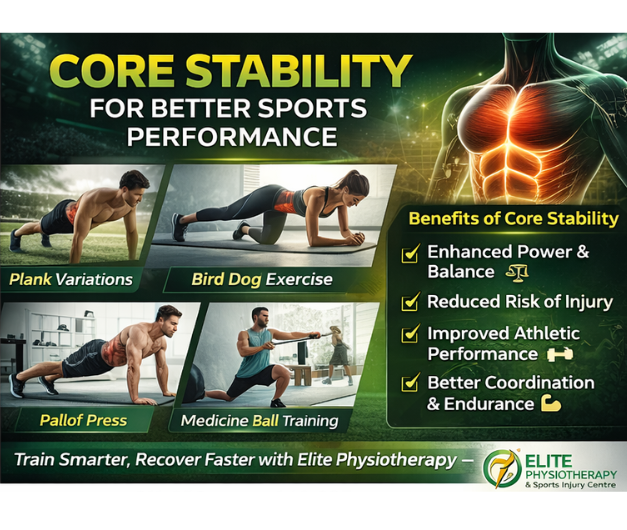
- Bird dogs: Enhance core-spine coordination.
- Walking lunges: Build leg strength without joint stress.
For those with limited mobility, chair-based exercises from the National Institute on Aging can be equally effective. “The key is to move consistently, even if it’s just a few minutes a day,” advises Dr. Cheng. “Small improvements add up over time.”
Key Takeaways
- A 60-second bridge hold after 60 suggests elite core strength, comparable to many adults decades younger.
- The test evaluates glutes, hamstrings, lower back, and deep core muscles—critical for mobility and injury prevention.
- 30 seconds is a solid baseline; progress gradually to avoid strain.
- Strong bridge performance correlates with easier stair climbing, reduced back pain, and lower fall risk.
- Modify the exercise for mobility limitations, but consistency matters more than intensity.
For readers interested in tracking progress, consider using a fitness app like MyFitnessPal or Nike Training Club, which offer guided bridge exercises and progress logs. Alternatively, consult a certified personal trainer for a personalized plan.
Next checkpoint: The American Council on Exercise will release updated guidelines on age-specific strength training in September 2024. Watch for new recommendations on core exercises tailored to adults over 60.
Have you tried the bridge test? Share your results or tips in the comments below—or tag us on social media with @WorldTodayJournal to show off your form!
Keep reading