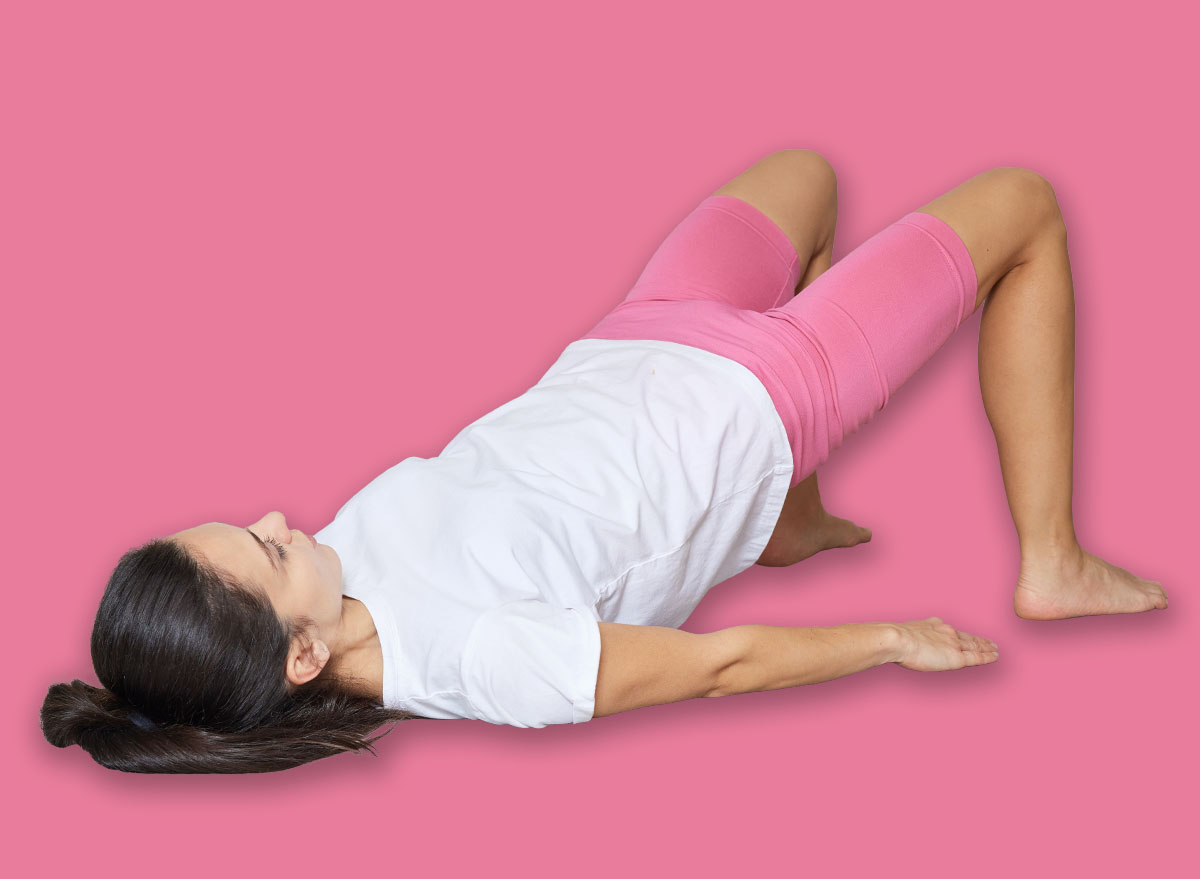
As we navigate our 60s and beyond, the way our body handles daily movement undergoes a subtle but significant shift. Maintaining an active lifestyle is not just about logging steps or hitting the gym; We see about the functional integrity of our core and the stability of our hips. A growing body of research suggests that the bridge—a classic exercise often relegated to simple warm-ups—is a powerful tool for maintaining the muscular endurance necessary for everyday independence. If you can hold a bridge this long after 60, your core strength is top-tier, signaling a robust foundation that supports everything from walking to climbing stairs.
The gluteal muscles—comprising the gluteus maximus, gluteus medius, and gluteus minimus—are the primary drivers behind this movement. These muscles are essential for stabilizing the pelvis and supporting the lower back, providing a stable base for the trunk during both static and dynamic activities according to the Cleveland Clinic. When these muscles are strong, they help distribute mechanical force across the hips, which can reduce the stress placed on the lumbar spine and knees. For older adults, this connection is vital for preventing the instability that contributes to falls and mobility limitations as noted in research published in BMC Geriatrics.
Understanding the Role of Isometric Tension
The bridge is an isometric exercise, meaning it requires the muscles to generate force without changing length. This type of training is particularly effective for building the muscular endurance required for maintaining posture throughout the day. By holding a bridge, you are essentially training your core and glutes to remain engaged under sustained tension, which mimics the demands of standing, walking, or carrying groceries. According to a systematic review published in the Scandinavian Journal of Medicine & Science in Sports, isometric training can lead to significant long-term adaptations in muscle function when performed with intent and consistent effort as reported in the journal’s 2019 analysis.

Beyond simple strength, the bridge serves as a diagnostic tool for your current level of physical control. When you lift your hips, you are testing your ability to coordinate the glutes, hamstrings, and core. If you find that your hips drop or that you feel the strain primarily in your lower back, it is a clear indicator that your body is compensating for a lack of gluteal engagement. Strengthening these areas can lead to more controlled, confident movement in daily life, helping to alleviate the discomfort often associated with muscle weakness in the lower body.
How to Perform a Proper Bridge Hold
To derive the full benefit of a bridge, form is paramount. The goal is not just to lift your hips, but to create a straight, stable line from your shoulders to your knees. To perform a standard bridge, lie on your back with your knees bent and your feet flat on the floor, positioned about hip-width apart. Place your arms at your sides with your palms facing down for stability. Before you lift, engage your core by gently bracing your midsection. Press through your heels to raise your hips, ensuring your glutes are squeezed tightly. Keep your ribs down to prevent excessive arching in the lower back, and maintain this position while breathing steadily.

If you find that your form breaks down—perhaps your hips begin to sag or your lower back starts to ache—it is better to perform shorter, high-quality holds than to push for a longer duration with poor technique. Consistency is the key to progress. By practicing this movement several times a week, you allow your nervous system to become more efficient at recruiting the gluteal muscles, which will naturally lead to increased endurance over time.
Evaluating Your Strength After 60
Measuring your hold time provides a snapshot of your current muscular endurance. While individual fitness levels vary, these benchmarks can help you track your progress as you build strength:
- Under 30 seconds: You are in the foundational stage. Focus on identifying the sensation of your glutes engaging rather than the duration of the hold.
- 30 to 60 seconds: This reflects a solid base of endurance, indicating that your glutes and core are capable of supporting your posture during daily activities.
- 60 to 90 seconds: You are in strong territory. Your body has developed the ability to maintain tension under more demanding conditions.
- 90+ seconds: This is considered top-tier. Holding a clean, stable bridge for this duration demonstrates excellent core control and muscular endurance, which are key components of physical resilience in later life.
Building a Stronger Foundation
If you are looking to improve your bridge hold, variety is your best friend. Incorporating variations such as single-leg bridges or marching bridges can help address side-to-side imbalances, which are common in older adults. Training the surrounding muscles through movements like step-ups, split squats, and dead bugs can provide the necessary support for your hips and core. Remember that your goal is to build long-term capacity; it is beneficial to retest your hold time every few weeks to monitor your improvement.
The bridge is more than just a fitness exercise; it is a fundamental movement pattern that reflects how well your body maintains its structural integrity. By dedicating time to this simple, accessible practice, you are investing in your long-term mobility and independence. We encourage you to share your experiences or questions regarding your progress in the comments below, and look forward to hearing how these movements have impacted your daily activity levels. As you continue your fitness journey, stay tuned for future updates on evidence-based practices for maintaining mobility and strength after 60.
Keep reading