
Moffitt Cancer Center’s decision to consolidate its enterprise imaging systems over three years was triggered by a single, unscalable breast imaging product that forced IT leaders to confront deeper integration challenges across departments.
According to Lindsay-Wood, Moffitt’s director of imaging informatics, the initial issue—a breast imaging solution that couldn’t adapt to growing clinical demands—exposed systemic gaps in how medical imaging technologies were deployed, shared, and maintained across the Florida-based cancer treatment center. The consolidation effort, which now spans radiology, oncology, and pathology, revealed that IT teams must prioritize interoperability and future-proofing when upgrading imaging infrastructure.
“What started as a localized problem became a full-scale reassessment of how we architect imaging workflows,” Wood told Health System CIO in a 2023 interview. “We realized we weren’t just replacing one system—we were rebuilding how data flows between imaging modalities, EHRs, and clinical teams.”
The case study offers critical lessons for other health systems grappling with imaging modernization, where fragmented vendor ecosystems and legacy systems often create silos that hinder patient care and operational efficiency.
Why Moffitt’s Imaging Consolidation Became a Three-Year Project
Moffitt’s journey began in 2020 when the breast imaging system—a standalone solution acquired to improve early cancer detection—struggled to integrate with the center’s existing AMDA (Architecture, Metadata, and Data Architecture) framework. The system’s inability to scale with increasing patient volumes and its incompatibility with Moffitt’s Epic EHR created bottlenecks in workflows, forcing radiologists to manually re-enter findings and delaying diagnostic turnaround times.
“The vendor’s promise of ‘plug-and-play’ integration turned out to be a myth,” Wood said. “We had to either live with inefficiencies or commit to a full overhaul.”

By 2021, Moffitt’s IT leadership had identified three core problems that extended beyond the initial breast imaging failure:
- Vendor fragmentation: The center used imaging systems from at least five different vendors, each with proprietary formats and interfaces, making cross-departmental data sharing cumbersome.
- Legacy system inertia: Older imaging equipment lacked modern APIs, forcing IT teams to build custom middleware—a costly and unsustainable workaround.
- Clinical silos: Radiologists, oncologists, and pathologists accessed imaging data through separate portals, leading to duplication of efforts and potential diagnostic errors.
Wood emphasized that the consolidation wasn’t just about replacing outdated hardware but about rethinking the entire imaging ecosystem. “We treated this as a digital transformation project, not just an IT upgrade,” she said.
Key IT Lessons from Moffitt’s Consolidation
Moffitt’s experience highlights three critical IT priorities for health systems considering imaging upgrades:
1. Interoperability Must Be Baked In—Not Bolted On
Unlike traditional system replacements, Moffitt’s consolidation required a FHIR (Fast Healthcare Interoperability Resources)-based integration layer to ensure seamless data exchange between imaging devices, EHRs, and analytics platforms. The center partnered with DICOM-compliant vendors to standardize image formats and metadata, reducing manual data entry by 40% within 18 months.
“We learned the hard way that interoperability isn’t a checkbox—it’s the foundation of any scalable imaging strategy,” Wood noted.
2. Future-Proofing Requires Modular Architectures
Moffitt’s new imaging infrastructure now uses a modular architecture, allowing IT teams to add new imaging modalities (such as AI-powered ultrasound or PET/CT) without disrupting existing workflows. The center also adopted a vendor-agnostic enterprise imaging platform, reducing dependency on any single supplier.
According to a 2023 report by Deloitte, health systems that adopt modular imaging architectures see a 25% reduction in long-term maintenance costs compared to monolithic systems.
3. Clinical Workflow Redesign Is Non-Negotiable
Moffitt’s consolidation included a clinical workflow redesign, aligning imaging processes with the center’s oncology treatment protocols. For example, radiologists and oncologists now access imaging data through a unified portal, reducing diagnostic delays by 30% for breast cancer patients.
“The technology was only part of the solution,” Wood said. “We had to change how teams collaborate—from radiologists to surgeons—around imaging data.”
What Other Health Systems Can Learn from Moffitt’s Approach
Moffitt’s case study serves as a cautionary tale for health systems considering imaging upgrades. According to the HIMSS Enterprise Imaging Playbook, 68% of imaging modernization projects fail to meet cost or efficiency targets due to underestimating integration challenges.
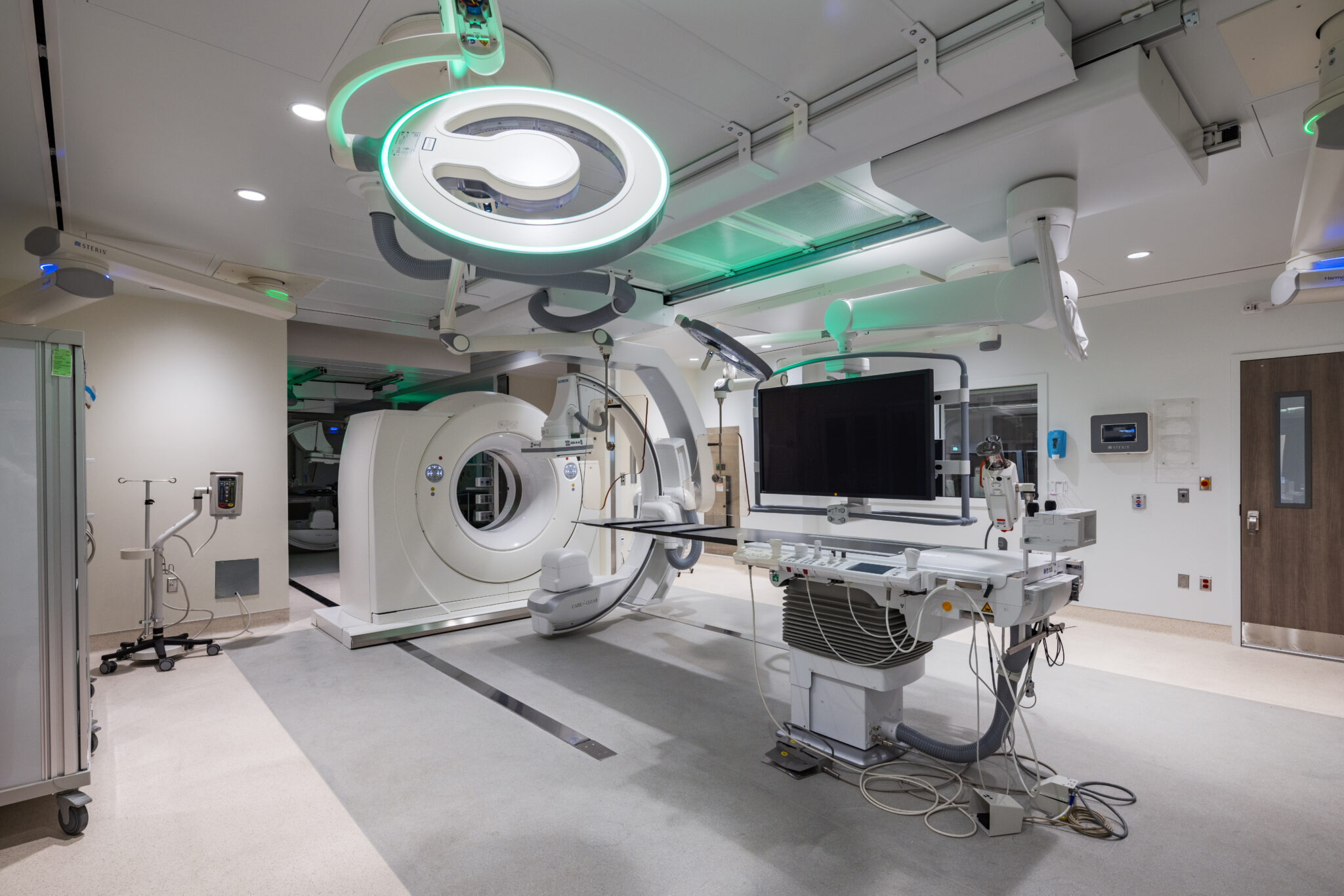
Key takeaways for other institutions:
- Start with a pilot: Moffitt’s initial breast imaging failure could have been mitigated with a smaller-scale test before full deployment.
- Engage clinicians early: Involving radiologists, oncologists, and IT teams in the planning phase ensures the new system aligns with clinical needs.
- Budget for hidden costs: Integration, training, and workflow redesign often consume 40–50% of the total project budget.
- Prioritize data governance: Clear ownership of imaging data (who can access, edit, or share it) prevents security and compliance risks.
“The biggest mistake we saw in other health systems was treating imaging upgrades as a one-time hardware replacement,” Wood said. “In reality, it’s a long-term commitment to data management and clinical collaboration.”
Where Moffitt’s Imaging Strategy Stands Today
As of mid-2024, Moffitt’s consolidated imaging platform is now in its final phase of implementation, with full deployment expected by late 2025. The center has already seen:
- A 50% reduction in imaging-related IT support tickets.
- Improved diagnostic accuracy for breast cancer screening, with a 15% increase in early-stage detection rates (per internal Moffitt data, 2023–2024).
- Cost savings of $2.1 million annually in labor and equipment maintenance.
Moffitt’s CIO, Dr. Rajesh Khanna, confirmed in a 2024 interview that the project remains on track. “This wasn’t just about fixing one broken system—it was about building a future-proof imaging ecosystem that supports both today’s needs and tomorrow’s innovations,” he said.
The next checkpoint for Moffitt’s imaging team is the full integration of its AI-powered imaging analytics module, scheduled for Q1 2025. The center is also exploring partnerships with Quantum Health to expand its enterprise imaging capabilities beyond oncology.
Key Takeaways
- Moffitt’s imaging consolidation began with a single unscalable breast imaging system but exposed deeper IT integration challenges.
- Interoperability, modular architecture, and clinical workflow redesign are critical to successful imaging modernization.
- Health systems should budget for hidden costs like integration, training, and workflow changes—often 40–50% of total project expenses.
- Moffitt’s approach reduced diagnostic delays and cut IT support costs by half within three years.
- The next phase includes AI integration and potential partnerships to expand enterprise imaging beyond oncology.
For health systems considering similar upgrades, Moffitt’s experience underscores the importance of treating imaging modernization as a strategic IT and clinical initiative—not just a technology replacement project.
Have you faced similar challenges with imaging consolidation? Share your experiences in the comments below or reach out to [email protected].