
Determining how much on-screen violence is too much remains a central question for audiences, filmmakers, and regulators alike. The discourse often centers on the tension between artistic intent and the potential impact of graphic depictions on public sensitivity. While some creators use visceral imagery to challenge societal norms, others argue that explicit portrayals of traumatic events—such as school shootings—require a level of narrative responsibility that is frequently debated in modern cinema.
The conversation surrounding the representation of violence in film is not merely a matter of personal taste; it involves complex considerations regarding the normalization of aggression and the psychological impact on viewers. As global media consumption shifts, the industry continues to grapple with where to draw the line between necessary storytelling and gratuitous exploitation. This balance is particularly precarious when films tackle real-world crises, where the risk of trivializing tragedy is high.
The Ethics of Depicting Trauma
When filmmakers choose to depict highly sensitive subjects, the threshold for what constitutes “excessive” violence is often subjective. For many, the inclusion of school shootings in fictional narratives is a point of significant contention. Critics and mental health professionals have long debated whether such depictions serve a legitimate narrative purpose or if they risk retraumatizing affected communities. According to research on media psychology, the way violence is framed—whether as a spectacle or as a critical exploration of cause and effect—significantly alters the viewer’s reception of the material as noted by the American Psychological Association.
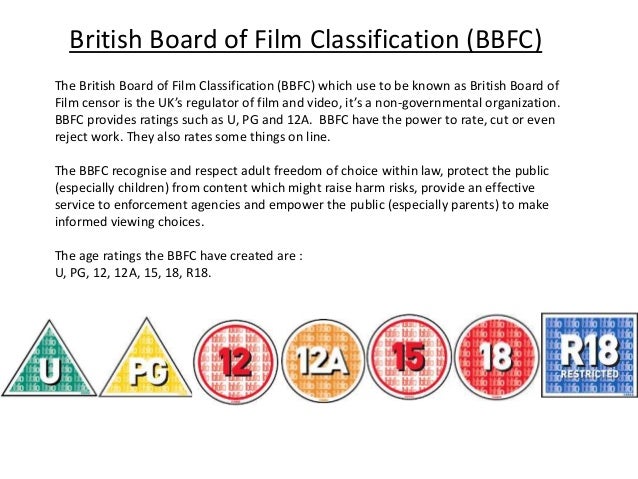
The industry’s approach to these depictions is often guided by self-regulation and content advisory systems. In the United Kingdom, for instance, the British Board of Film Classification (BBFC) maintains specific guidelines to protect audiences, particularly minors, from harmful content. These standards are reviewed periodically to reflect shifting social norms and public expectations regarding the portrayal of realistic violence according to official BBFC classification policy. These guidelines ensure that while directors have creative freedom, there remains a baseline expectation of accountability when presenting scenarios that mirror real-world violence.
Balancing Artistic Vision and Responsibility
Artistic outliers often challenge these established boundaries, prompting wider public discussions about the role of violence in art. Directors who navigate these complex themes frequently face scrutiny over whether their work provides insight or merely utilizes shock value. The debate is rarely binary; it involves a spectrum of opinion regarding the function of cinema as a mirror for contemporary anxieties. When a film pushes these boundaries, it often forces a confrontation with the audience’s own comfort levels regarding what they are willing to witness on screen.

Industry stakeholders, including production companies and distributors, must navigate these sensitivities while maintaining the integrity of the work. Decisions regarding the release and marketing of films containing intense sequences are often informed by internal compliance teams that evaluate the potential for public backlash and adherence to global safety standards. For example, major distributors often rely on internal policy frameworks to determine if specific scenes require additional content warnings before theatrical or streaming release as outlined by the Motion Picture Association. These procedural safeguards are designed to provide transparency, allowing audiences to make informed decisions about the content they choose to engage with.
The Future of Media Regulation
As digital platforms expand access to global content, the challenge of regulating on-screen violence becomes increasingly decentralized. Unlike traditional cinema, where content is vetted by national boards before theatrical distribution, streaming services often operate under different, and sometimes more varied, regulatory environments. This shift has prompted calls for more consistent international standards regarding the labeling of graphic content, ensuring that viewers worldwide have access to the same level of information about the themes and intensity of the media they consume.

Looking ahead, the evolution of this debate will likely be shaped by the increasing demand for transparency in content production. Legislative bodies and civil society organizations continue to monitor the impact of media on public discourse, advocating for policies that promote responsible storytelling without stifling creative expression. The next official update on content classification standards for streaming media in the European Union is expected to be discussed in late 2026, as regulators seek to align digital distribution practices with existing protections for children and vulnerable groups according to the European Commission’s Audiovisual Media Services Directive.
Whether this ongoing dialogue will lead to stricter industry-wide codes of conduct or a more flexible, viewer-driven approach remains to be seen. In the meantime, the responsibility remains shared between creators, who decide what stories to tell, and the viewers, who determine the value and impact of those narratives within their own lives. We invite readers to share their perspectives on where the line should be drawn in the comments section below, and look forward to your thoughts on this evolving standard of cultural critique.