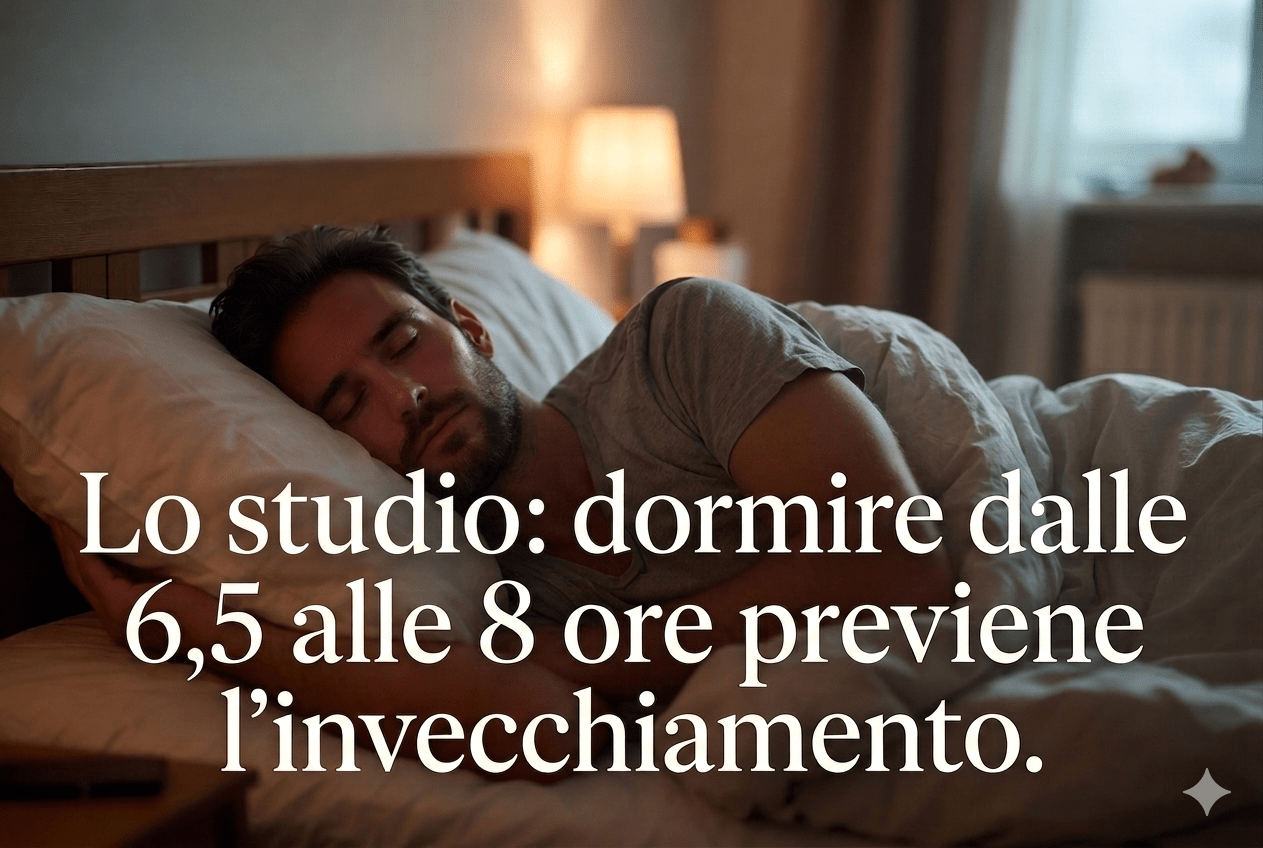
In our fast-paced world, sleep is often the first casualty of a busy schedule. Yet, as we delve deeper into the biological mechanisms of human longevity, it is becoming increasingly clear that the hours we spend in repose are not merely “downtime.” Instead, they represent a critical window for cellular repair, hormonal regulation and systemic maintenance. Recent epidemiological data reinforces a long-standing medical hypothesis: there is a “Goldilocks zone” for sleep, where the duration is neither too short nor too long, effectively acting as a biological buffer against premature aging.
As a physician, I have often discussed the importance of sleep hygiene with my patients in Berlin. It is a common misconception that sleep debt can be easily “paid back” or that the body is indifferent to significant deviations from the recommended norm. Emerging research suggests that the relationship between sleep duration and cellular aging is non-linear, forming a U-shaped curve. Those who consistently fall outside the optimal window of seven to nine hours for adults may face accelerated biological aging, potentially impacting long-term health outcomes such as metabolic function and cardiovascular resilience.
The quest to define “healthy sleep” is not merely about feeling refreshed; it is about mitigating the risk of chronic disease. According to the National Sleep Foundation, adults aged 18–64 generally require between seven and nine hours of sleep per night to maintain optimal health. Deviating from this range—whether through chronic sleep deprivation or excessive sleep—has been linked to various health markers, including insulin resistance and systemic inflammation, which are key drivers of the aging process.
The Biological Cost of Sleep Irregularity
Why does the duration of our slumber matter so profoundly? The answer lies in the circadian rhythm and the complex interplay of hormones that govern our metabolic health. When we consistently sleep fewer than six hours, the body enters a state of physiological stress. This triggers the release of cortisol and increases systemic inflammation, both of which are known to contribute to cellular senescence. Over time, this chronic stress on the body can manifest as accelerated biological aging, often observable in markers like telomere shortening or altered epigenetic clocks.
Conversely, consistently oversleeping—often defined as sleeping more than nine or ten hours—can also be a red flag. While the occasional long night of sleep is natural after physical exertion or illness, chronic oversleeping is often a symptom of underlying health issues, such as depression, sleep apnea, or other undiagnosed inflammatory conditions. The Centers for Disease Control and Prevention (CDC) notes that poor sleep quality, regardless of duration, is strongly associated with a higher risk of chronic conditions, including Type 2 diabetes and heart disease, which naturally shorten our “healthspan.”
Understanding the “Recovery Sleep” Phenomenon
One of the most frequently asked questions in my practice is whether “catch-up sleep” on the weekends can effectively reverse the damage of a sleep-deprived week. The scientific consensus is nuanced. While catching up on sleep can alleviate subjective feelings of fatigue and temporarily improve cognitive performance, it is not a perfect physiological reset. A study published in the journal Current Biology indicated that while weekend recovery sleep can help mitigate some metabolic disturbances, it does not fully compensate for the cumulative effects of chronic sleep restriction on insulin sensitivity and weight gain.

Essentially, the body prefers consistency. The biological systems that regulate our blood sugar and inflammatory responses rely on a predictable cycle. When we yo-yo between short nights and long mornings, we disrupt the very rhythms that keep our cells functioning efficiently. If you find yourself needing excessive sleep to “recover,” it is often a sign that your baseline sleep hygiene needs structural adjustment rather than a weekend remedy.
Actionable Steps for Better Sleep Hygiene
Optimizing your sleep is one of the most effective, low-cost interventions for long-term health. To move toward a healthier sleep pattern, focus on the following evidence-based strategies:
- Maintain Consistency: Try to go to bed and wake up at the same time every day, including weekends. This helps regulate your internal body clock, or circadian rhythm.
- Optimize Your Environment: Ensure your bedroom is dark, cool, and quiet. The World Health Organization has highlighted the importance of minimizing exposure to artificial light, particularly blue light from screens, in the hours leading up to bedtime.
- Monitor Your Intake: Limit caffeine and alcohol, especially in the afternoon and evening. While alcohol may help you fall asleep faster, it significantly disrupts the quality of your REM sleep.
- Listen to Your Body: If you consistently wake up feeling unrefreshed despite getting seven to nine hours, consult a healthcare provider. Conditions like obstructive sleep apnea can fragment your sleep, preventing you from reaching the deep, restorative stages of rest.
The Future of Sleep Research
As we continue to explore the intersection of sleep science and longevity, the focus is shifting toward personalized sleep medicine. We are learning that individual needs vary based on genetics, age, and lifestyle factors. However, the fundamental recommendation remains robust: prioritize the consistency and quality of your rest as a non-negotiable pillar of your healthcare regimen.

The next major update in this field will likely come from large-scale longitudinal studies currently tracking the epigenetic impact of sleep interventions over decades. For now, the most reliable data suggests that moderation is the key to longevity. By respecting the seven-to-nine-hour window, you are providing your body with the time it needs to perform the essential maintenance required to age gracefully.
Have you noticed a significant difference in your physical well-being when you prioritize a consistent sleep schedule? We invite our readers to share their experiences and questions in the comments section below. For further guidance on sleep disorders and clinical diagnostics, always refer to your local health authority or a certified sleep specialist.
Keep reading