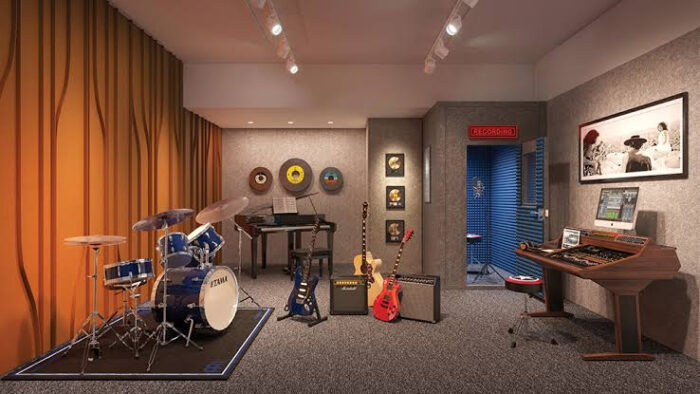
The modern music room has evolved from a luxury reserved for professional studios or expansive estates into an accessible, personalized sanctuary for hobbyists, creators, and audiophiles alike. Driven by the democratization of high-quality recording technology and a cultural shift toward intentional listening, these spaces now frequently occupy bedroom corners, converted garages, or dedicated home office desks, reflecting a broader movement to integrate professional-grade sound environments into everyday living.
According to data from the Consumer Technology Association, the shift toward home-based audio environments has been accelerated by the widespread availability of digital audio workstations (DAWs) and affordable acoustic treatment solutions, which allow users to achieve professional results in residential settings. This transition marks a departure from the traditional industry model where music production and high-fidelity listening were strictly tethered to commercial facilities. Today, the focus has moved toward creating functional “creator desks” and listening nooks that prioritize both aesthetic comfort and technical performance.
The Shift Toward Accessible Audio Spaces
For decades, the concept of a music room implied a significant capital investment in soundproofing and hardware. However, recent market trends indicate that the barrier to entry has lowered significantly. As reported by the Recording Industry Association of America, the rise of home production has been mirrored by a surge in demand for near-field monitors and compact audio interfaces, which are designed specifically for smaller, non-studio environments. This change is not merely about gear; it reflects a psychological shift where music enthusiasts view their personal space as an extension of their creative or contemplative process.

The integration of warm lighting, ergonomic furniture, and acoustic panels—often marketed as home decor—has turned the functional music room into a lifestyle trend. Unlike the industrial aesthetic of 20th-century studios, contemporary setups emphasize “vibes” and comfort. This design philosophy focuses on maximizing the sonic potential of a room while ensuring the space remains a livable part of the home. According to architectural design trends tracked by the American Society of Interior Designers, multi-purpose rooms that accommodate both work and artistic expression have seen a steady increase in popularity since 2020.
Technology and the Creator Economy
The creator economy has played a significant role in defining what a modern music room looks like. With the rise of platforms like YouTube and Twitch, creators require spaces that function simultaneously as performance venues and production hubs. This has led to the popularity of the “battlestation” desk setup, which combines high-end computing power with audio equipment. The ability to record, mix, and stream from a single location has made the home music room a necessity for independent artists who operate outside the traditional label system.

This decentralized approach to music creation is supported by advancements in software that emulate expensive analog hardware. As noted by Sound on Sound, the reliance on “in-the-box” production—using software rather than physical racks of gear—has effectively eliminated the need for large, climate-controlled equipment rooms. Instead, creators can achieve professional-grade results using a laptop, a quality microphone, and a set of headphones, allowing the “music room” to become modular and portable.
The Future of Home Listening
While creators focus on production, a parallel trend exists among fans who are reclaiming the act of focused listening. The vinyl revival and the growth of high-resolution streaming services have encouraged listeners to invest in dedicated “listening corners.” These spaces prioritize high-quality speakers and acoustic environment management over recording gear. This resurgence in intentional listening suggests that even as music becomes increasingly digital and ubiquitous, there is a growing desire for physical spaces that honor the medium.

Moving forward, the industry expects a continued focus on “smart” acoustic integration, where automated systems adjust room equalization based on the listener’s position or the genre being played. As these technologies become more integrated into the standard home environment, the line between a living room and a dedicated listening space will likely continue to blur. For those looking to upgrade their own setups, resources such as the Audio Engineering Society provide ongoing guidance on best practices for acoustic treatment and equipment placement in residential structures.
We invite our readers to share their own home studio or listening room setups in the comments below. How have you transformed your living space to better suit your musical needs? Join the conversation and tell us about the gear or design choices that made the biggest difference in your daily audio experience.