
When a professional athlete retires, the transition from a rigorous daily training regime to a sedentary lifestyle can create a dangerous health vacuum. For former Premier League defender Neil Ruddock, this transition led to a severe physical decline, characterized by significant weight gain and a series of alarming medical warnings.
Ruddock, known for his uncompromising “hard man” persona during his time with clubs such as Liverpool, Tottenham Hotspur, Southampton, and Millwall, saw his health plummet in the years following his retirement. The former footballer, who was once ranked as the 17th “hardest footballer of all time” during his prime, experienced a dramatic increase in body mass, ballooning from a fit 12-and-a-half stone to 25 stone according to reports from Surrey Live.
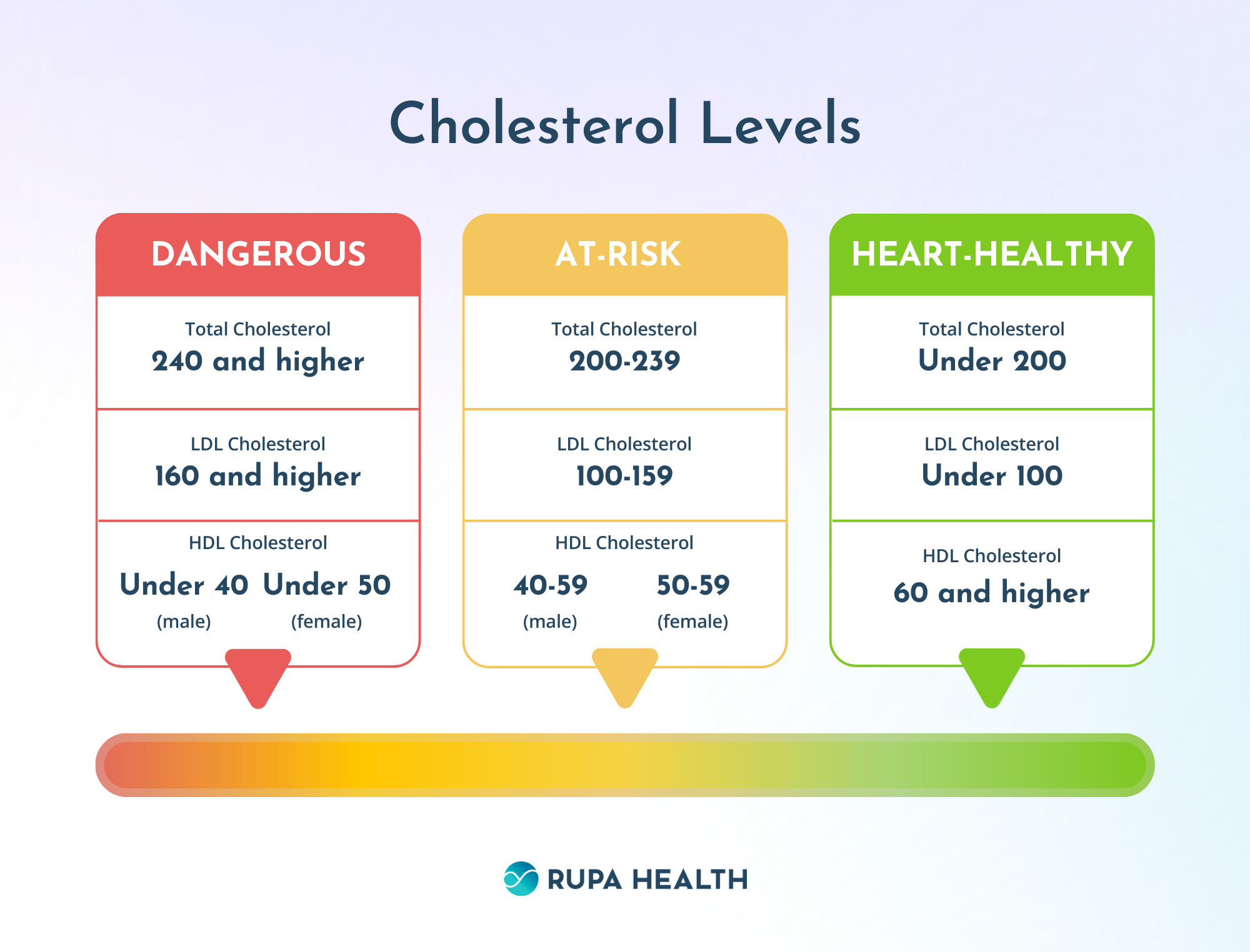
This physical shift brought with it a cluster of chronic conditions. At 56 years old, Ruddock found himself battling high blood pressure and elevated cholesterol levels, which significantly increased his risk of cardiovascular disease. His journey serves as a stark reminder of how quickly health can deteriorate when dietary habits are not adjusted to match a lower activity level.
The turning point for Ruddock came after receiving a “load of bad test results.” Recognizing that his lifestyle had grow unsustainable, he underwent a drastic diet change to reduce his blood pressure and improve his cholesterol levels, documenting his struggles and subsequent recovery on the ITV documentary ‘Harry’s Heroes: The Full English’ in 2019.
The Danger of the ‘Retirement Trap’ in Professional Sports
For three decades, Ruddock’s life was defined by daily professional training. However, he noted that once the structure of professional sport is removed, it is remarkably easy to become unfit and lazy. This phenomenon is often seen in retired athletes who continue to eat as if they are still burning thousands of calories a day, while their physical output drops to nearly zero.
In Ruddock’s case, the dietary habits that fueled his decline were centered around high-calorie, processed foods. He admitted to a reliance on junk food throughout the day, which contributed to his weight doubling. Specifically, his mornings often began with bacon and eggs or a full English fry-up, while his evenings were frequently dominated by large Chinese takeaways. He recalled that he “could never stop at just one main and rice” when ordering, leading to excessive caloric intake as detailed by Leeds Live.
From a medical perspective, this combination of high sodium and saturated fats is a primary driver for the conditions Ruddock faced. High salt intake, common in processed takeaways and fried breakfasts, is directly linked to hypertension (high blood pressure), while saturated fats contribute to hypercholesterolemia (high cholesterol). Together, these factors narrow the arteries and increase the strain on the heart, creating a high-risk environment for heart attacks and strokes.
Addressing Hypertension and Hypercholesterolemia Through Nutrition
The “bad test results” Ruddock received acted as a catalyst for a complete overhaul of his plate. While the specific meal-by-meal plan was not detailed, the shift focused on shedding pounds and eliminating the processed triggers that caused his blood pressure and cholesterol to “explode.”

Reducing blood pressure and improving cholesterol levels typically involves several key nutritional shifts:
- Reducing Sodium: Moving away from “fry-ups” and takeaways reduces the intake of salt, which helps the body regulate fluid balance and lowers the pressure on arterial walls.
- Managing Saturated Fats: Replacing fried meats and heavy oils with healthier fats helps lower LDL (low-density lipoprotein) cholesterol, often referred to as “bad” cholesterol.
- Weight Management: By dropping weight from 25 stone, Ruddock reduced the overall metabolic load on his heart, which is essential for lowering systemic blood pressure.
Ruddock described the impact of these changes as significant, stating that he made his high cholesterol “ten times better” through his dietary adjustments according to his interview with Surrey Live.
Key Takeaways from Neil Ruddock’s Health Journey
Ruddock’s experience provides several critical lessons for those facing similar health scares:
- The Risk of Sedentary Transitions: A sudden drop in activity levels without a corresponding drop in caloric intake can lead to rapid weight gain and metabolic dysfunction.
- The Role of “Silent” Killers: Hypertension and high cholesterol often do not present obvious symptoms until they are detected via medical tests, making regular screenings vital.
- Dietary Impact: Frequent consumption of processed foods, such as Chinese takeaways and fried breakfasts, can directly contribute to cardiovascular risk.
- The Power of Intervention: Significant improvements in blood pressure and cholesterol are possible through disciplined dietary changes and weight loss.
For many, the realization of health risks only occurs after a “scare” or a series of poor test results. In Ruddock’s case, the motivation to change was further amplified by the loss of a friend, which prompted him to seize immediate action regarding his exercise plan and eating habits as reported by Leeds Live.
As an internal medicine specialist, I emphasize that while celebrity stories provide motivation, the most critical step is the transition from “knowing” there is a problem to “acting” on it through professional medical guidance. The shift from a 25-stone sedentary lifestyle to a healthier one requires not just a change in the plate, but a sustainable approach to movement and monitoring.
For those monitoring their own cardiovascular health, the next step is typically a scheduled review of lipid profiles and blood pressure readings with a primary care physician to ensure that lifestyle changes are translating into clinical improvements.
Do you have experience managing high blood pressure or cholesterol through diet? Share your thoughts and experiences in the comments below.
Keep reading