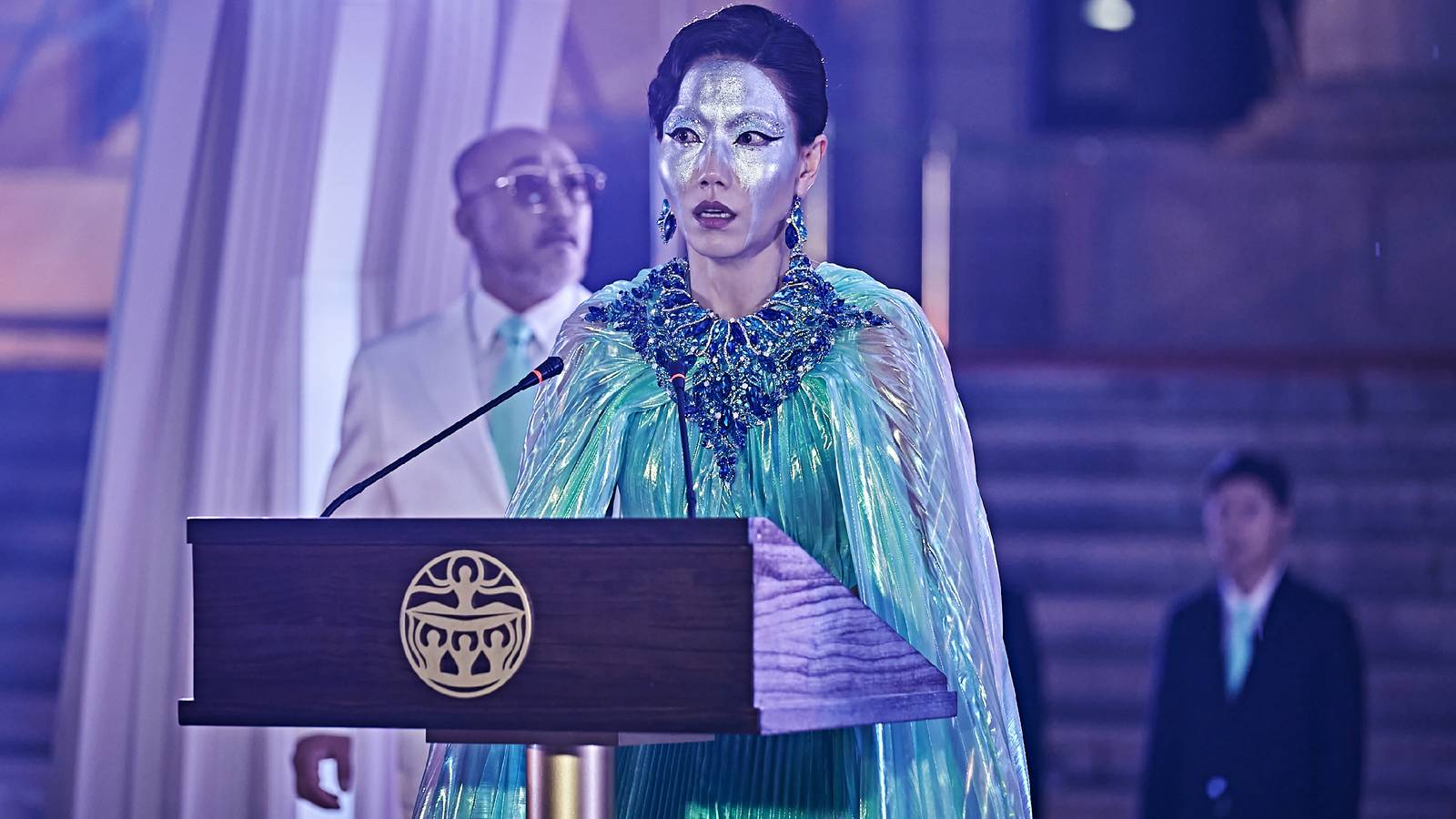
The landscape of global television has undergone a seismic shift over the last decade, moving away from traditional broadcast schedules toward a model defined by the “binge-watch.” As streaming platforms refine their strategies, the impact is most visible in the evolution of international content, particularly within the South Korean market. Although K-dramas were historically characterized as one-season wonders, the influence of global streaming giants has introduced a new era of serialized storytelling designed for multiple rewatches and shorter, high-impact episode batches.
Among the most striking examples of this evolution is Hellbound: Netflix’s 10/10 supernatural thriller, a series that blends existential dread with sharp social commentary. By leveraging the flexibility of the streaming model, the show manages to maintain a level of intensity that would be difficult to sustain in a traditional long-form broadcast format. This shift toward “binging models” allows for more focused narrative arcs, ensuring that the suspense remains taut from the first episode to the final cliffhanger.
The success of such titles underscores a broader trend in consumption. According to Netflix, the appetite for Korean content is no longer a niche interest; more than 80% of all global Netflix members have streamed Korean titles via Netflix Tudum. This massive reach has transformed K-content from a regional specialty into a dominant force in the global entertainment industry, paving the way for supernatural thrillers and high-concept dramas to find audiences in every corner of the world.
The Evolution of the K-Drama Model
For years, the standard structure of the Korean drama involved a single, comprehensive season that told a complete story. However, the integration of Netflix’s production strategies has morphed this approach. By releasing smaller batches of episodes, creators can now build more complex, multi-season narratives that encourage viewers to return to the series multiple times to uncover hidden details.

This strategic shift is evident in the variety of genres now appearing on the platform. From heartwarming romances like When Life Gives You Tangerines to the intense, fantasy-driven world of Alchemy of Souls—a period drama spanning 30 episodes across two parts as detailed by Netflix—the diversity of storytelling is expanding. The “binge-watch” culture has essentially rewritten the rules of engagement for K-content, allowing for more experimental pacing and darker, more suspenseful themes.
Supernatural Elements and Social Commentary
Hellbound stands out not just for its supernatural premise, but for how it uses the “thriller” genre to examine human nature and societal collapse. The series explores the chaos that ensues when otherworldly entities begin delivering “decrees” of condemnation, creating a vacuum of power that is quickly filled by religious extremism and fear. This thematic depth is what elevates the show from a simple horror story to a 10/10 supernatural thriller in the eyes of many critics and fans.
The ability to maintain such a high level of tension is a direct result of the shorter season format. By avoiding the “filler” episodes often found in traditional 16-to-24 episode K-dramas, Hellbound keeps the plot moving at a relentless pace. This ensures that the psychological weight of the story remains heavy, forcing the audience to confront the terrifying possibilities of a world where divine judgment is sudden, violent, and inexplicable.
Navigating the Netflix K-Content Library
For those looking to dive into the world of Korean dramas, the current library offers a spectrum of experiences. While Hellbound provides a dark, supernatural ride, other titles offer a different kind of intensity. For instance, Squid Game and All of Us Are Dead have become global benchmarks for the “survival” subgenre, combining high stakes with visceral tension per Netflix’s official site.
The platform has too curated “Beginner” lists to help new viewers transition into the K-era. Titles such as Business Proposal, Queen of Tears, and Vincenzo serve as entry points, blending romance and suspense to showcase the versatility of South Korean production values. This strategic curation ensures that whether a viewer is seeking a “heartwarming romance” or a “captivating thriller,” there is a tailored experience waiting for them.
Key Titles in the Supernatural and Thriller Space
Beyond Hellbound, several other series have defined the current era of Korean suspense on Netflix:
- The Glory: A gripping tale of revenge and systemic failure.
- Gyeongseong Creature: A blend of historical setting and sci-fi horror.
- Sweet Home: A claustrophobic thriller where humans transform into monsters.
- Kingdom: A political period piece infused with a zombie apocalypse.
These shows collectively demonstrate the shift toward high-concept, visually stunning narratives that prioritize atmospheric tension over traditional melodrama. The success of these titles confirms that global audiences are increasingly drawn to the unique blend of societal critique and genre-bending storytelling that characterizes modern K-content.
What This Means for the Future of Streaming
The transformation of K-dramas into multi-season, binge-ready series is more than just a trend; It’s a fundamental change in how television is produced and consumed. As Netflix continues to invest in original content from South Korea, the boundary between “regional” and “global” content continues to blur. The result is a more interconnected entertainment ecosystem where a show produced in Seoul can become a top-ten hit in Los Angeles or London within days of its release.
For the industry, this means a greater emphasis on “rewatchability.” By designing seasons that leave lingering questions or complex character webs, streaming services maximize the value of each title. Hellbound, with its intricate exploration of faith and fear, is a prime example of a series that rewards repeated viewing, as viewers often find new layers of meaning in the characters’ motivations upon a second watch.
As we move further into 2026, the trend toward smaller, more intense episode batches is expected to persist. This allows creators to maintain a “cinematic” quality throughout the series, treating each season as a long-form movie rather than a traditional television show. This evolution ensures that the “K-era” is not a passing fad but a permanent fixture of the global media landscape.
For those following the trajectory of supernatural thrillers on the platform, the continued expansion of these narratives suggests that we have only scratched the surface of what Korean storytelling can achieve in the streaming age. Whether through the lens of divine judgment or the depths of human greed, these series continue to push the boundaries of the genre.
For the latest updates on upcoming releases and official viewing guides, viewers can visit the Netflix K-Dramas official page.
Do you feel the shift toward shorter, binge-able seasons improves the quality of K-dramas, or do you miss the longer, traditional formats? Share your thoughts in the comments below.