
Retailers in city centers, including those in Oberhausen, are increasingly adopting digital transformation strategies to combat declining foot traffic and shifting consumer shopping habits. By integrating e-commerce platforms, social media engagement, and localized digital marketing, brick-and-mortar shops are attempting to bridge the gap between physical storefronts and the convenience of online retail. This shift reflects a broader trend across European urban centers, where local commerce must compete with global digital giants for market share.
The German Federal Ministry for Housing, Urban Development and Building has identified the revitalization of city centers as a priority, noting that the traditional “retail-only” model is no longer sufficient to maintain vibrant urban cores. According to the Federal Institute for Research on Building, Urban Affairs and Spatial Development (BBSR), successful urban retail strategies now require a mix of digital accessibility and high-quality “experience-based” physical spaces.
The Shift Toward Omnichannel Retail
For independent retailers, the primary challenge remains visibility. Many small businesses are moving away from relying solely on street-level window displays, opting instead for “omnichannel” approaches. This strategy involves using platforms like Instagram and Facebook to showcase inventory, while utilizing click-and-collect services to drive customers into the physical store. The German Retail Federation (HDE) emphasizes that digital visibility is now a prerequisite for survival, as consumers typically research products online before visiting a physical location.

In cities facing competitive pressure from large-scale shopping centers—such as the Westfield Centro in Oberhausen—smaller retailers are being urged to collaborate. Shared digital platforms, which allow multiple local merchants to pool their products into a single online marketplace, have emerged as a potential solution. These efforts are often supported by local chambers of commerce, which provide technical guidance and funding opportunities for small businesses to upgrade their IT infrastructure.
Digital Infrastructure and Local Competition
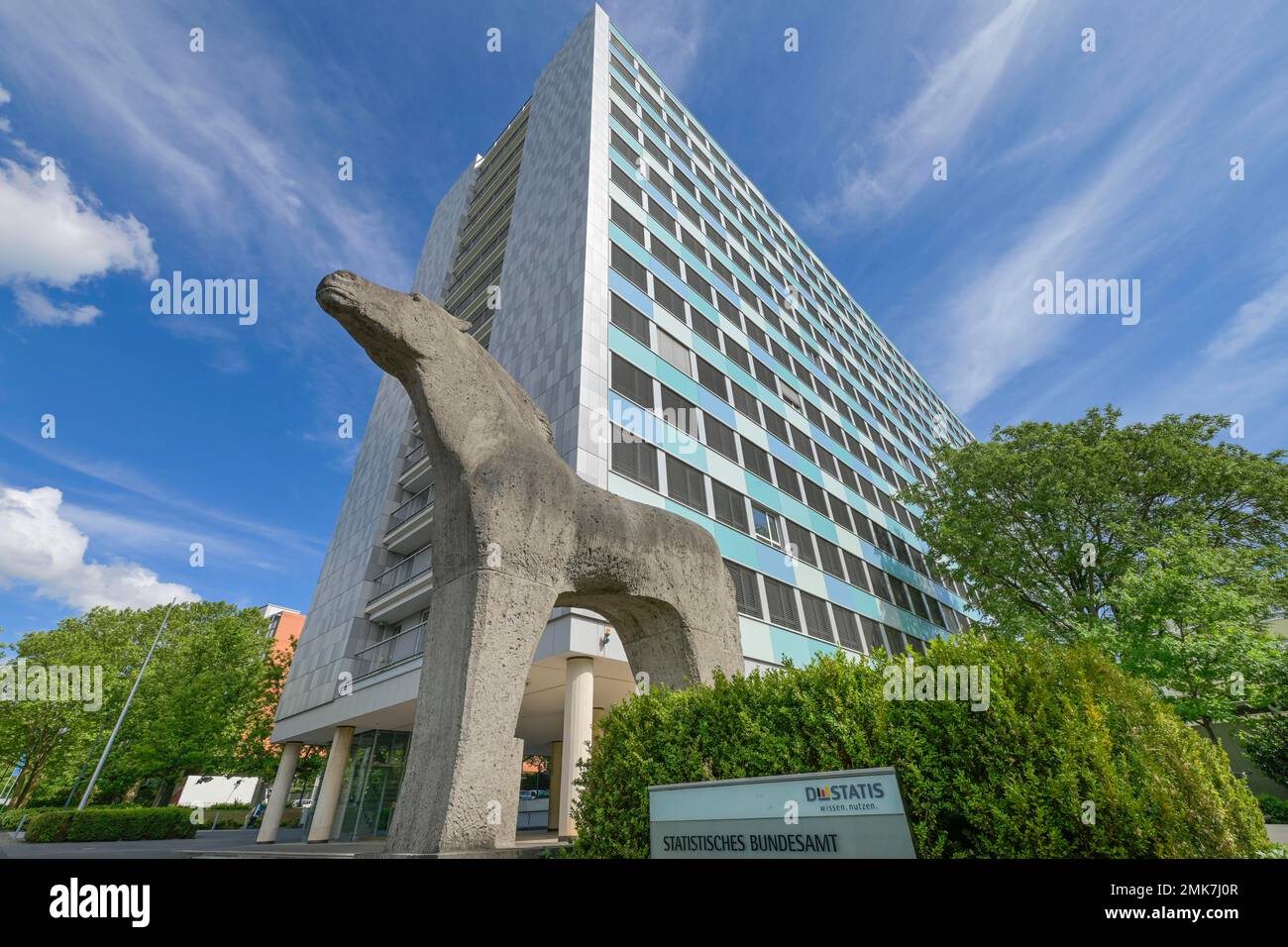
The competition between suburban shopping malls and historic city centers is a defining issue for urban planners. According to data from the Federal Statistical Office of Germany (Destatis), while online trade continues to grow, there is a measurable consumer preference for “experience shopping” that combines retail with dining and social activities. Consequently, retailers are not just selling goods; they are curating environments that cannot be replicated by pure-play e-commerce sites.
However, the transition to digital tools is not without its hurdles. Many small business owners cite the complexity of data privacy regulations, such as the EU’s General Data Protection Regulation (GDPR), as a significant barrier to entry. Professional associations and local governments are increasingly offering workshops to help retailers manage these compliance requirements while maintaining an effective digital footprint.
Strategic Priorities for Urban Retailers
Retailers looking to modernize their operations are focusing on four key pillars to maintain competitiveness:
- Click-and-Collect Integration: Allowing customers to reserve items online and pick them up locally reduces logistics costs and increases in-store traffic.
- Social Media Storytelling: Using platforms to highlight local craftsmanship and personalized service differentiates small shops from mass-market retailers.
- Data-Driven Inventory Management: Implementing modern point-of-sale (POS) systems that track online and offline sales in real-time to optimize stock levels.
- Collaboration Platforms: Joining city-wide digital initiatives that aggregate local offerings into a single user-friendly mobile application.
The Federal Ministry for Housing, Urban Development and Building continues to monitor these trends through various funding programs designed to assist municipalities in adapting their infrastructure to changing retail requirements. These programs often focus on enhancing public spaces to encourage foot traffic, which in turn benefits the retailers who have successfully digitized their operations.
What Happens Next for City Centers
The future of city-center retail will likely be determined by the speed at which local governments and business owners can implement integrated digital strategies. Future developments in this sector are expected to focus on “smart city” initiatives, where public Wi-Fi and digital kiosks provide shoppers with information about local promotions and events.

Interested parties can track ongoing developments in urban retail policy through the BBSR’s official research publications, which provide periodic updates on the effectiveness of various revitalization projects. As these strategies evolve, the success of independent retailers will depend on their ability to leverage technology not as a replacement for the physical store, but as a gateway to it. We welcome your thoughts on how local businesses in your city are adapting to the digital age; please share your experiences in the comments below.
Related reading