
Researchers at the University of Oxford have discovered that microscopic clumps of the protein alpha-synuclein disrupt a vital cellular transport gateway in Parkinson’s disease, potentially damaging dopamine-producing neurons earlier than previously understood. According to the study published in Nature Communications, even very small aggregates measuring one micrometer or less interfere with the endoplasmic reticulum by binding to the protein Sec61A, stalling the delivery of newly manufactured proteins and impairing the cell’s waste disposal system.
Mapping Early Cellular Disruption
Parkinson’s is among the most common disorders of the nervous system, characterized by the loss of neurons responsible for generating the movement-regulating neurotransmitter dopamine. While the exact triggers behind this cellular death have remained partially unclear, scientists have long known that misfolded alpha-synuclein accumulates inside affected neurons.
The new findings from Oxford shed light on the earliest stages of this neurodegenerative process, showing how early protein changes obstruct essential pathways before massive, traditional clumps form.
Targeting the Endoplasmic Reticulum
The research team utilized human neurons derived from stem cells alongside post-mortem brain tissue from Parkinson’s patients to map the mechanism. They identified Sec61A as a critical component of a molecular gateway located on the endoplasmic reticulum, which acts as the cell’s production and distribution center.
Many freshly synthesized proteins must pass through this gate to reach their functional destinations. When pathological alpha-synuclein binds to Sec61A, it blocks the passage, causing protein production linked to this pathway to temporarily drop by roughly half.
Creating a Destructive Feedback Loop
Among the proteins most affected are those required to keep lysosomes—the cellular waste disposal units—fully functional, including glucocerebrosidase, cathepsin b, and components of v-ATPase. With these critical parts missing, the waste removal capacity of the cell declines.
This creates a destructive feedback loop: impaired lysosomes struggle to clear out excess alpha-synuclein, while the obstructed protein transport further worsens the cleaning deficit. Rather than clearing the buildup, the stressed cells released larger amounts of the protein outwardly inside tiny membrane-bound vesicles, structures that researchers had previously investigated as potential early biomarkers.
Why Smaller Aggregates Prove More Dangerous
Interestingly, the study revealed that smaller alpha-synuclein aggregates of one micrometer or less caused more disruptive interactions than larger, mature clumps, which proved relatively inert in cellular models. This indicates that cellular damage initiates well before large protein inclusions have formed.
Furthermore, analyses of human brain tissue confirmed increased contact between pathological alpha-synuclein and Sec61A in actual patient samples.
Reversing Defects in Laboratory Models
In laboratory experiments, the research team successfully reversed these cellular defects to some extent. By deploying the CRISPR gene-editing tool to reduce alpha-synuclein production, or by stimulating the proteasome—another cellular degradation pathway—using compounds such as rolipram and tadalafil, the scientists improved the impaired protein transport.
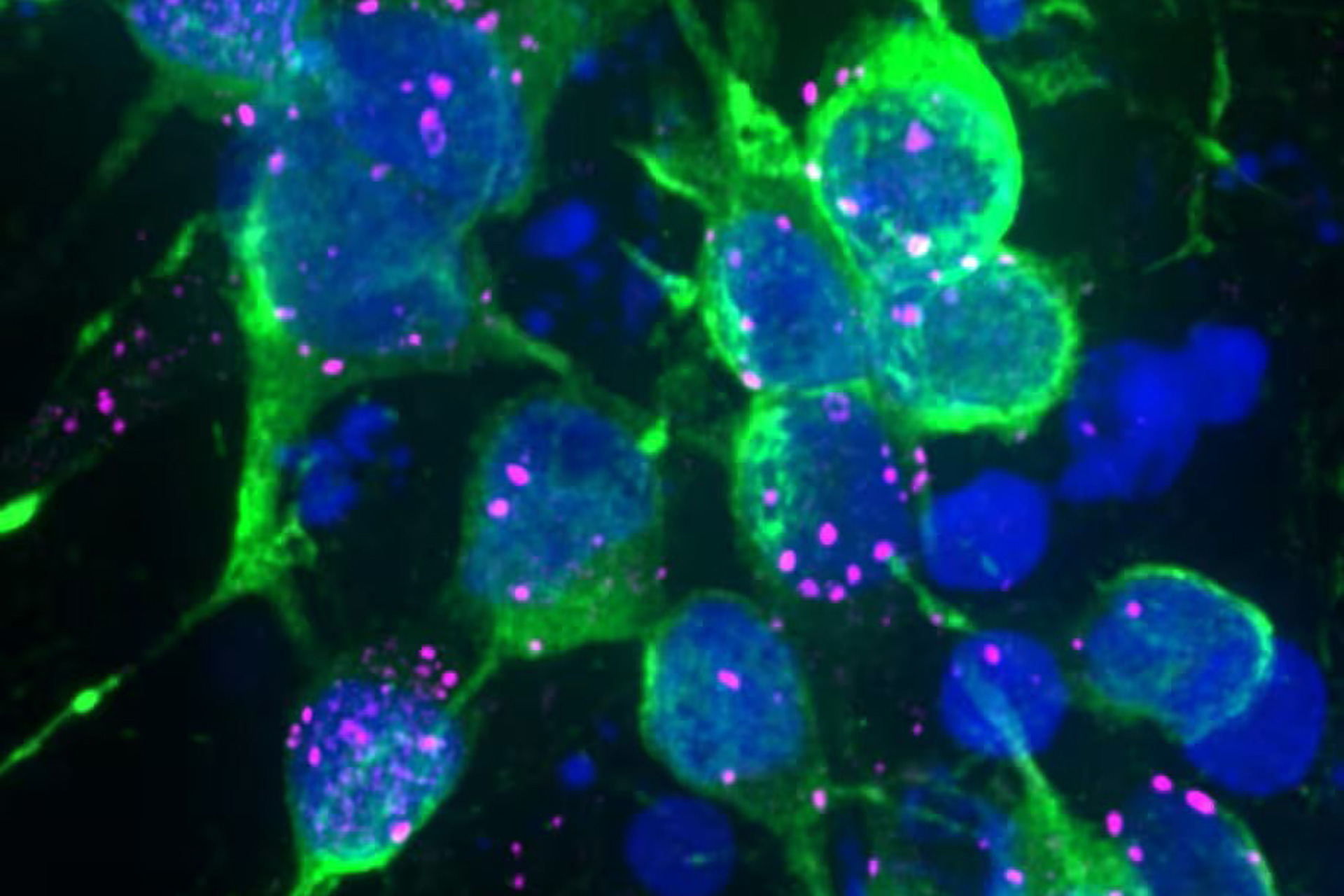
Study leader George Tofaris of the University of Oxford emphasized the significance of these insights in a statement regarding the findings, noting that observing the reversal of these defects by boosting cellular waste disposal offers valuable direction for future study. However, researchers caution that these laboratory breakthroughs in cultured human cells and specific genetic lines do not yet constitute a treatment for patients. While the mechanisms appeared in cells with multiple Parkinson-associated mutations and matched observations in sporadic patient tissue, broader validation across diverse clinical populations remains necessary. Further investigations will also map the precise structure of the specific alpha-synuclein conformer responsible for blocking Sec61A.
Related reading