
The Pfandbriefzentrale der schweizerischen Kantonalbanken AG serves as a central funding pillar for Swiss cantonal banks, facilitating long-term mortgage financing through the issuance of high-quality, collateralized Pfandbrief bonds. By pooling the mortgage portfolios of Switzerland’s regional cantonal banks, the organization provides a stable, low-risk refinancing mechanism that remains a cornerstone of the Swiss housing market, according to the official Pfandbriefzentrale corporate profile.
Recent leadership commentary from figures such as Daniel Fust, CEO of Graubündner Kantonalbank, has underscored the importance of this collaborative engagement in maintaining liquidity for regional lenders. As the Swiss banking sector balances shifting interest rate environments with strict regulatory capital requirements, the Pfandbriefzentrale acts as a vital intermediary, ensuring that cantonal banks can continue offering competitive mortgage rates to both residential and commercial borrowers.
The Role of Pfandbriefzentrale in Swiss Mortgage Finance
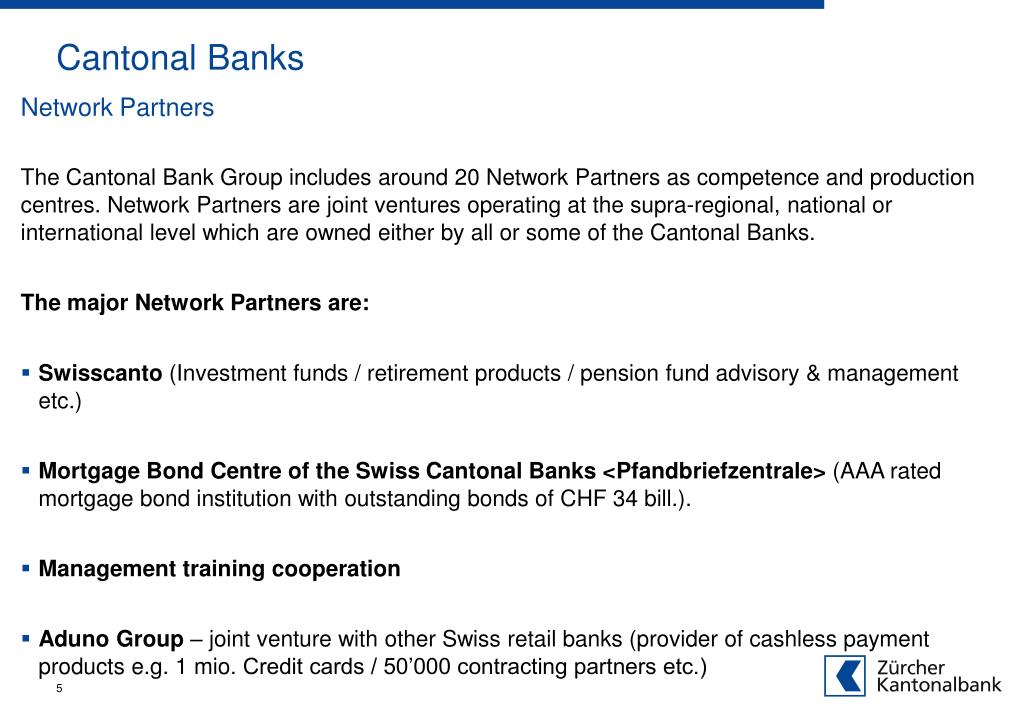
The Pfandbriefzentrale functions as a specialized credit institution that issues Pfandbriefe, which are debt securities secured by a cover pool of high-quality mortgage claims. Under the Swiss Pfandbrief Act, these bonds are backed by the stringent collateralization of real estate assets, making them one of the safest investment instruments in the Swiss financial system. The Federal Act on Pfandbriefe mandates that the cover pool must exclusively consist of first-rank mortgage claims on Swiss real estate, providing investors with significant protection against default.

For the cantonal banks, this structure is essential for long-term asset-liability management. By issuing bonds through the Pfandbriefzentrale, these institutions can secure long-term funding at favorable interest rates, which are then passed on to consumers in the form of stable mortgage products. This collaborative model allows regional banks—which might otherwise lack the scale to access international capital markets—to benefit from the collective credit rating of the entire cantonal bank network.
Strategic Engagement and Regional Banking Stability
Leadership within the cantonal bank network, including industry executives like Daniel Fust, frequently emphasizes that the strength of the Pfandbrief system lies in its cooperative nature. Engagement between the central issuing body and the individual cantonal banks ensures that risk management standards remain uniform across the country. This consistency is a primary factor in the resilience of the Swiss mortgage market, even during periods of global economic volatility.
According to the Graubündner Kantonalbank annual reports, the bank’s active participation in the Pfandbriefzentrale is a strategic priority for maintaining a sustainable mortgage loan book. By leveraging the central entity’s ability to issue large-volume bonds, individual cantonal banks reduce their reliance on short-term deposits to fund long-term home loans, thereby mitigating interest rate risk.
How the Pfandbrief System Protects Borrowers
The stability provided by the Pfandbriefzentrale directly impacts the end-user: the mortgage borrower. Because the Pfandbriefe are viewed as low-risk “safe haven” assets by international investors, the yields on these bonds remain low. This allows cantonal banks to offer mortgage rates that are often more stable than those provided by commercial lenders reliant on more expensive or volatile funding sources.

Regulatory oversight remains a critical component of this ecosystem. The Swiss Financial Market Supervisory Authority (FINMA) monitors the issuance process to ensure that the cover pools are maintained in accordance with the law. This oversight ensures that the Pfandbrief remains a trusted instrument for institutional investors, including pension funds and insurance companies, which provides a steady stream of capital into the Swiss real estate sector.
Future Outlook for Swiss Mortgage Refinancing
Looking ahead, the Pfandbriefzentrale continues to adapt its issuance strategy to align with current market conditions and evolving sustainability requirements. As demand for green mortgages grows, the organization is increasingly focused on how the underlying mortgage portfolios—and the associated cover pools—can support broader environmental and social governance (ESG) goals within the Swiss financial sector.
The next major checkpoint for stakeholders involves the upcoming annual general assembly and the release of the organization’s consolidated financial results, which are typically published in the first half of each fiscal year via the official investor relations portal. Market participants monitor these disclosures closely for updates on issuance volumes and any shifts in the composition of the cover pools.
For those interested in the ongoing developments within the Swiss cantonal banking sector, official updates are regularly posted to the Pfandbriefzentrale website. We encourage readers to share their insights on how regional banking models continue to shape local economies in the comments section below.
Worth a look