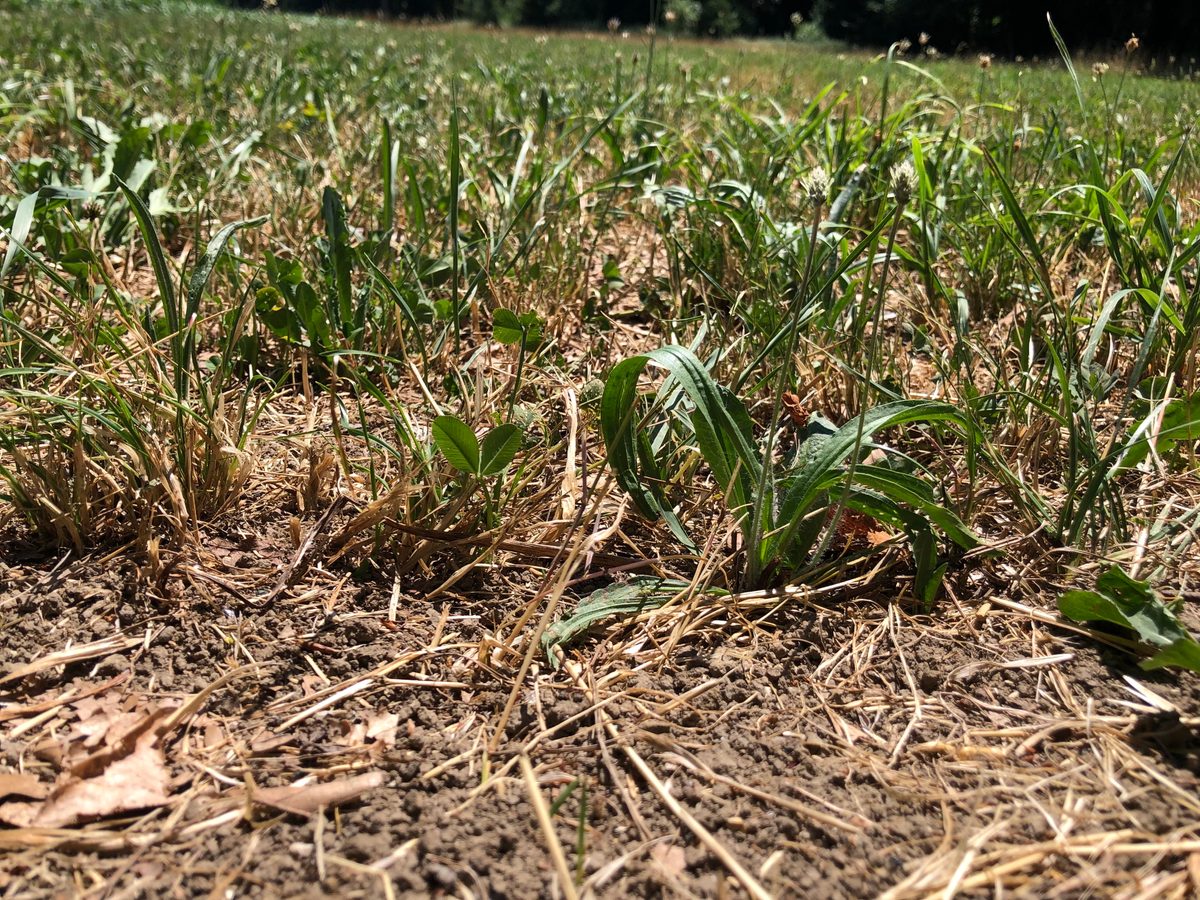
Regenerative forage production reduces crop water demand and increases soil moisture retention by prioritizing soil organic matter and precise nutrient management. According to agricultural research and sustainable farming frameworks, integrating cover crops, reduced tillage, and strategic fertilization allows plants to develop deeper root systems, which are essential for surviving prolonged dry periods.
The relationship between fertilization and water use is a critical lever for farmers facing erratic rainfall. Over-application of nitrogen can lead to rapid, lush vegetative growth that exhausts soil water reserves too quickly, while balanced nutrition supports the structural integrity of the plant and the soil’s ability to hold water. This shift toward regenerative practices aims to stabilize feed yields for livestock during climate-induced stress.
As extreme weather patterns become more frequent across Europe and North America, the focus has shifted from maximizing peak yields to maximizing “water-use efficiency.” This approach requires a fundamental change in how farmers manage the soil-plant-water interface, moving away from conventional high-input models toward systems that mimic natural ecosystems.
The Impact of Fertilization on Crop Water Demand
Nutrient management directly influences how much water a crop consumes and how well it withstands drought. High doses of synthetic nitrogen often trigger rapid leaf expansion and shoot growth. While this increases biomass in the short term, it creates a high transpiration rate, meaning the plant releases water into the atmosphere more quickly. According to the Food and Agriculture Organization of the United Nations (FAO), maintaining a balance between nitrogen and other nutrients, such as potassium, is vital for regulating stomatal closure and improving drought tolerance.
Potassium, in particular, plays a key role in the plant’s ability to manage water. It regulates the opening and closing of stomata—the tiny pores on leaves through which plants breathe and lose water. When potassium levels are optimal, plants can more effectively shut these pores during heat stress, preventing dehydration. Conversely, an imbalance where nitrogen dominates can leave a crop vulnerable once the topsoil moisture is depleted.
Regenerative systems emphasize the use of organic amendments, such as compost and manure, over purely synthetic fertilizers. These organic inputs do more than provide nutrients; they improve soil structure. By increasing the amount of humus and organic carbon in the soil, farmers can increase the “water-holding capacity,” allowing the ground to act like a sponge that retains rain for longer periods.
Soil Organic Matter and Water Retention Mechanisms
The core of regenerative forage production is the accumulation of soil organic matter (SOM). For every 1% increase in soil organic matter, the soil can hold significantly more water per acre. This capacity is essential for maintaining forage growth when rainfall ceases for several weeks. According to the USDA Natural Resources Conservation Service, practices such as no-till farming and the use of permanent ground cover prevent the evaporation of moisture from the soil surface.
Tillage disrupts the fungal networks, specifically mycorrhizal fungi, which form symbiotic relationships with plant roots. These fungi extend the reach of the root system, allowing plants to access water and phosphorus from deeper soil layers that would otherwise be unreachable. By eliminating or reducing tillage, farmers preserve these networks, effectively expanding the “straw” the plant uses to drink from the earth.
Cover cropping is another essential tool. Planting species like clover or vetch during the off-season prevents soil erosion and keeps living roots in the ground year-round. These roots create channels (macropores) that allow subsequent rain to penetrate deeper into the subsoil rather than running off the surface. This process, known as infiltration, ensures that water is stored where it is most useful for the primary forage crop during the summer heat.
Strategic Crop Selection for Arid Conditions
Selecting the right species is as important as how they are fed. Regenerative agriculture encourages the use of polycultures—mixing multiple species of grasses and legumes—rather than monocultures. Different plants have different rooting depths; for example, deep-rooted chicory or alfalfa can pull nutrients and water from deep in the profile, while shallower grasses stabilize the topsoil.
The synergy of a diverse sward creates a more resilient canopy. A thick, diverse layer of vegetation shades the soil, reducing the soil surface temperature and slowing the rate of evaporation. This “living mulch” effect protects the soil microbiome from UV radiation and extreme heat, ensuring that the biological processes responsible for nutrient cycling continue even during a drought.
Farmers are also increasingly looking toward drought-tolerant cultivars. While genetics provide a baseline of resilience, the environment—specifically the soil health—determines whether those genetic traits can actually be expressed. A drought-resistant seed planted in degraded, compacted soil will still fail because the roots cannot penetrate the hardpan to reach the water table.
Implementing a Regenerative Transition Plan
Moving from a conventional high-input system to a regenerative one requires a phased approach to avoid yield crashes. The transition typically begins with a soil analysis to determine the current organic matter levels and nutrient imbalances. This baseline allows farmers to tailor their fertilization strategy to support root growth rather than just top-growth.
The next step involves integrating “managed grazing.” By rotating livestock frequently and avoiding overgrazing, farmers ensure that plants are not stressed beyond their recovery point. Overgrazing removes too much leaf area, which reduces the plant’s ability to photosynthesize and pump carbon into the soil to feed the microbes. Controlled grazing, however, stimulates root growth and helps incorporate organic matter into the soil through manure and urine.
Monitoring soil moisture and using precision agriculture tools can further optimize water use. Sensors that measure volumetric water content allow farmers to apply nutrients only when there is sufficient moisture for the plant to absorb them, preventing “fertilizer burn” and nutrient runoff during sudden, heavy rain events that often follow droughts.
The long-term goal of these practices is to create a self-sustaining cycle: healthier soil leads to more resilient plants, which produce more organic matter, which in turn creates even healthier soil. This cycle reduces the farmer’s reliance on expensive external inputs and protects the livelihood of the farm against the volatility of the climate.
Agricultural authorities continue to monitor the long-term effects of these regenerative transitions on global food security. Further updates on soil health mandates and sustainable farming subsidies are expected as regional governments align their agricultural policies with climate adaptation goals.
Do you have experience implementing regenerative practices on your land? Share your results or ask a question in the comments below.
Worth a look