
In the modern living room, the glow of a tablet or television has become a ubiquitous fixture of early childhood. For many parents, these digital windows offer a much-needed moment of respite—a “digital babysitter” that provides quiet while they prepare dinner or catch up on work. However, as the landscape of children’s media evolves, a growing chorus of developmental experts and concerned caregivers is asking a critical question: Is what our children are watching helping them grow, or is it overwhelming their developing minds?
The debate has shifted away from simply “how much” screen time is acceptable to “what kind” of content is being consumed. We are seeing the rise of a movement centered on low-stimulation children’s cartoons—media designed with slower pacing, calmer aesthetics, and more intentional storytelling. As parents navigate this sea of bright colors and rapid-fire sound effects, understanding the neurological impact of high-stimulation media has become a vital part of modern parenting.
At the heart of this discussion is the concept of sensory processing. For a toddler or a preschooler, whose prefrontal cortex is still in the early stages of development, the world is a constant influx of new data. When that data comes in the form of hyper-kinetic animation and constant auditory shifts, the brain may struggle to process it, leading to what many call “digital overstimulation.”
The Science of Stimulation: How Rapid Media Affects the Developing Brain
To understand why certain shows feel “addictive” or “stressful,” we must look at how a child’s brain responds to visual and auditory stimuli. High-stimulation media is characterized by rapid scene changes—often occurring every few seconds—bright neon color palettes, and loud, unpredictable sound effects. This creates a high-frequency dopamine loop, where the brain is constantly being hit with new, intense sensory inputs.
While this can be momentarily captivating, developmental experts warn that it may come at a cost. Constant exposure to high-intensity media can impact a child’s ability to self-regulate. When a child is transitioned from a hyper-stimulating show to a quiet, real-world activity, the “crash” can manifest as irritability, tantrums, or difficulty focusing. There are growing concerns regarding the impact of such media on attention spans and the ability to engage in deep, focused play.
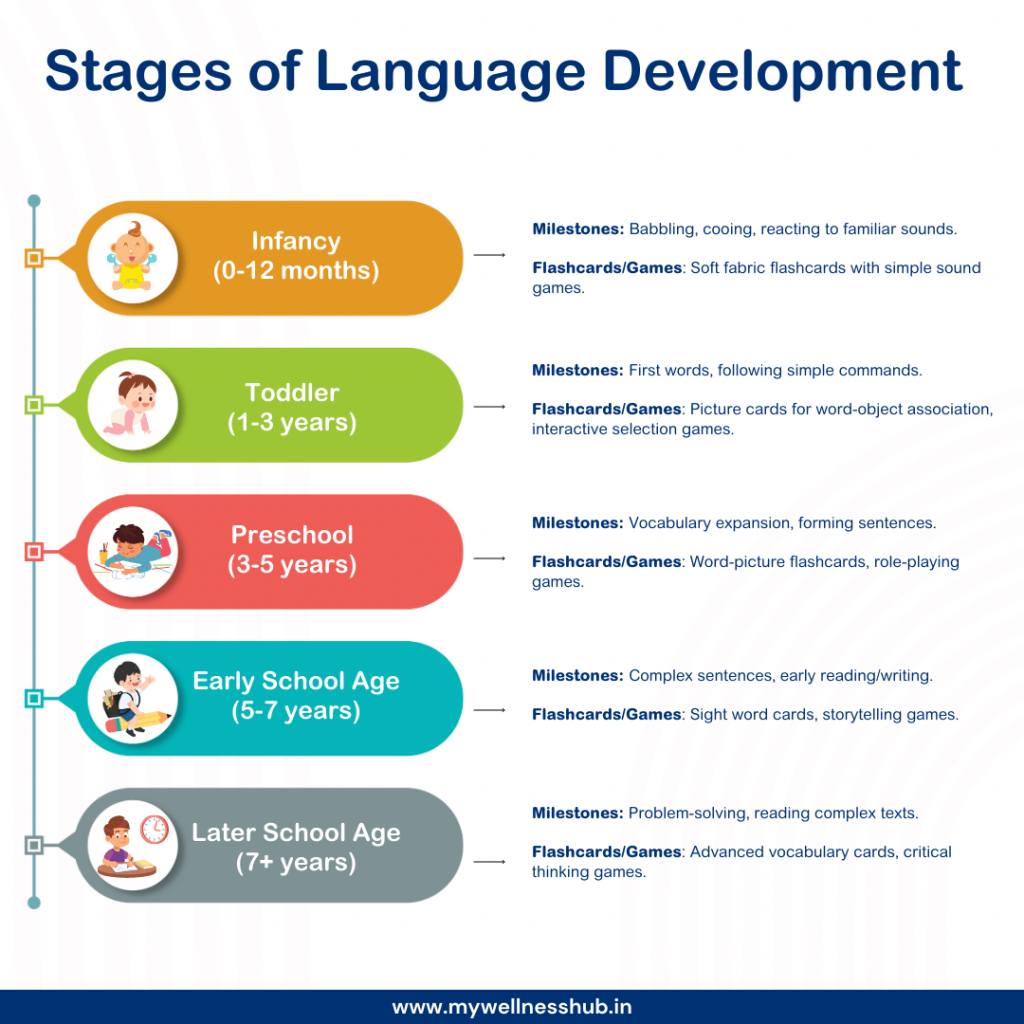
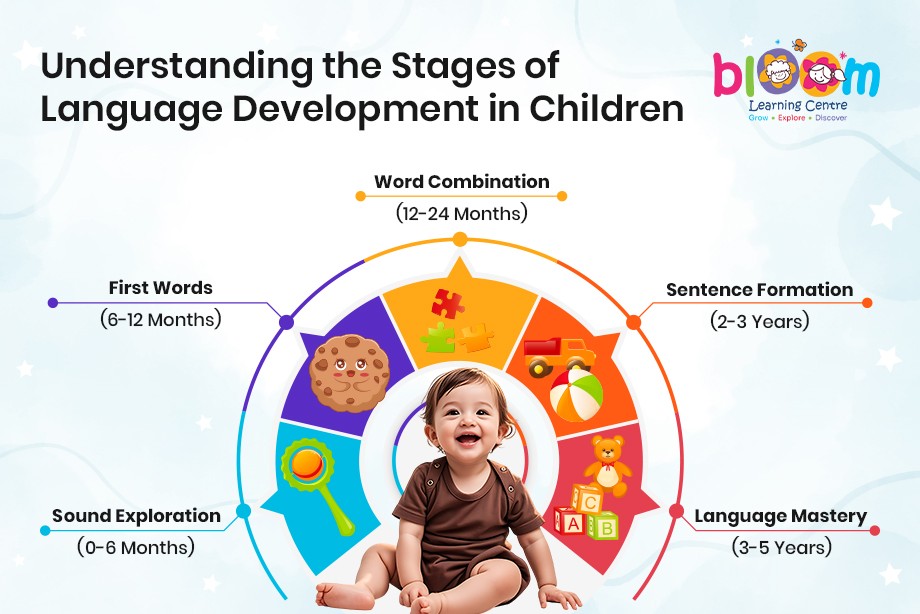
Language development is another critical area of concern. Meaningful language acquisition relies on social interaction, turn-taking, and the ability to follow a narrative arc. Shows that prioritize rapid visual movement over dialogue or meaningful interaction may offer fewer opportunities for children to process language and connect words to concepts, and emotions.
According to guidelines provided by the American Academy of Pediatrics (AAP), screen time for very young children should be strictly limited, with a strong emphasis on high-quality, educational content that encourages human interaction rather than passive consumption.
Identifying the Red Flags: High-Stimulation vs. Low-Stimulation
Knowing which shows to avoid and which to embrace requires a keen eye for production style. It is not necessarily about the “message” of the show, but rather the cadence of the presentation. A show can have a lovely story, but if the camera is zooming and spinning every three seconds, it remains high-stimulation.
The following table provides a quick reference for parents to distinguish between media styles during their next viewing session:
| Feature | High-Stimulation (Avoid/Limit) | Low-Stimulation (Recommended) |
|---|---|---|
| Pacing | Rapid cuts; scene changes every 2–5 seconds. | Slower transitions; longer, stable shots. |
| Colors | Neon, high-contrast, flashing lights. | Natural tones; soft, muted palettes. |
| Audio | Constant loud music; high-pitched sound effects. | Calm melodies; naturalistic soundscapes. |
| Narrative | Fragmented, sensory-driven, chaotic. | Linear, character-driven, predictable. |
| Interaction | Passive viewing; overwhelming sensory input. | Potential for co-viewing and discussion. |
The “Slow Media” Watch List: Recommended Low-Stimulation Shows
If you are looking to transition your household toward more mindful screen time, there are several high-quality productions that prioritize gentle storytelling and calm aesthetics. These shows are often celebrated for their ability to engage a child’s imagination without triggering a sensory overload.
- Bluey: Widely regarded by parents and educators alike, this Australian series focuses on imaginative play and family dynamics. The pacing is naturalistic, and the stories are deeply relatable to both children and adults.
- Daniel Tiger’s Neighborhood: Based on the principles of Fred Rogers, this show is a gold standard for emotional intelligence. It uses slow, repetitive songs to teach children how to navigate complex feelings like frustration or sadness.
- Puffin Rock: This beautifully animated series uses a soft, muted color palette and gentle narration to tell stories about nature. It is particularly effective for winding down before naptime or bedtime.
- Trash Truck: A gentle, whimsical show that focuses on friendship and curiosity. Its animation style is clean and the pacing allows children time to process the visual information.
- Little Bear: A classic example of “slow television” for children. The gentle movements and soft storytelling are designed to soothe rather than excite.
Practical Strategies for Mindful Screen Time
Transitioning away from high-stimulation media doesn’t have to be an all-or-nothing battle. It is about creating a healthier digital environment. Here are several ways to implement more mindful viewing habits in your home:
1. Prioritize “Co-Viewing”
The most effective way to mitigate the potential downsides of screen time is to watch with your child. Instead of using the screen as a solo activity, use it as a springboard for conversation. Ask questions like, “How do you think Daniel Tiger is feeling right now?” or “What color was that bird?” This transforms a passive experience into an active, social, and linguistic one.
2. Set Environmental Boundaries
The environment in which a child watches media matters. Avoid using screens in high-stress environments or as a way to manage tantrums. Instead, try to schedule screen time during calm periods of the day, and ensure the volume is kept at a moderate, comfortable level.
3. Monitor the “Transition Period”
Pay close attention to how your child behaves immediately after the screen is turned off. If you notice increased agitation or “brain fog,” it may be a sign that the content was too stimulating. Try transitioning from a low-stimulation show to a tactile activity, such as coloring or playing with blocks, to help their nervous system settle.
4. Curate a “Safe List”
Take the guesswork out of your daily routine by creating a curated playlist of approved, low-stimulation shows. This prevents the “infinite scroll” on platforms like YouTube, where a child might accidentally stumble from a calm show into a hyper-stimulating, algorithmically-driven video.
Frequently Asked Questions
Is all screen time bad for my child?
Not necessarily. The consensus among pediatric experts is that the quality of content and the context of use are more important than the mere presence of a screen. High-quality, educational, and low-stimulation media can be a positive tool when used in moderation and alongside human interaction.
How much screen time is too much?
While specific limits can vary based on age, the general recommendation for toddlers (ages 2 to 5) is to limit screen time to one hour per day of high-quality programming, as suggested by various health organizations. However, the most important metric is how the screen time affects your child’s sleep, physical activity, and social engagement.
Can high-stimulation shows cause permanent damage?
While “permanent damage” is a strong term, researchers are focused on how chronic overstimulation can influence neurological pathways related to attention and emotional regulation. The goal of limiting such media is to support healthy, optimal brain development during these critical formative years.
As we continue to navigate the complexities of the digital age, the goal for parents isn’t perfection, but intentionality. By choosing media that respects our children’s developmental pace, People can ensure that technology serves as a tool for growth rather than a source of overwhelm.
For more insights into family wellness, entertainment trends, and child development, follow our ongoing coverage of the evolving digital landscape.
What are your experiences with “slow media” for children? Have you noticed a difference in your child’s behavior? Share your thoughts and recommendations in the comments below.
Next Update: We will be looking at upcoming educational media releases for the 2026 season to identify new low-stimulation options for families.
Related reading