
Shasta County, California, faces a significant public health challenge characterized by high rates of both firearm ownership and suicide. Local residents and health officials are working to address the intersection of rural lifestyle, mental health access, and firearm accessibility through community outreach and the application of state-level safety laws.
The mountainous region of Shasta County, located approximately 200 miles north of San Francisco, serves as a focal point for discussions regarding rural mental health and suicide prevention. In these areas, the cultural prevalence of hunting and fishing often coincides with high rates of firearm ownership, creating a complex environment for public health interventions. According to reported accounts from local residents, the presence of unsecured firearms in rural households has been a factor in tragic outcomes.
One such instance occurred in 2019 involving Bill Rocha, a long-time contractor and resident of the county. As reported by local accounts, Rocha was a frequent hunter and fisherman who owned several firearms, some of which were stored in a safe while others remained in his vehicle. His daughter, Kelly Rocha, noted that while her father appeared sociable to the public, he was experiencing private struggles that ultimately led to his death by suicide in 2019. This case highlights a common difficulty in rural communities: identifying mental health crises in individuals who appear functional to their social circles.
Why are suicide rates a concern in Shasta County?
Public health data indicates that rural counties in California, including Shasta, often face higher suicide rates compared to more densely populated urban centers. This trend is frequently attributed to a combination of social isolation, limited access to mental health professionals, and economic stressors common in agricultural and contractor-based economies. In many rural northern California communities, the “provider desert”—a term used by health advocates to describe areas with a shortage of psychiatrists and counselors—remains a critical barrier to early intervention.
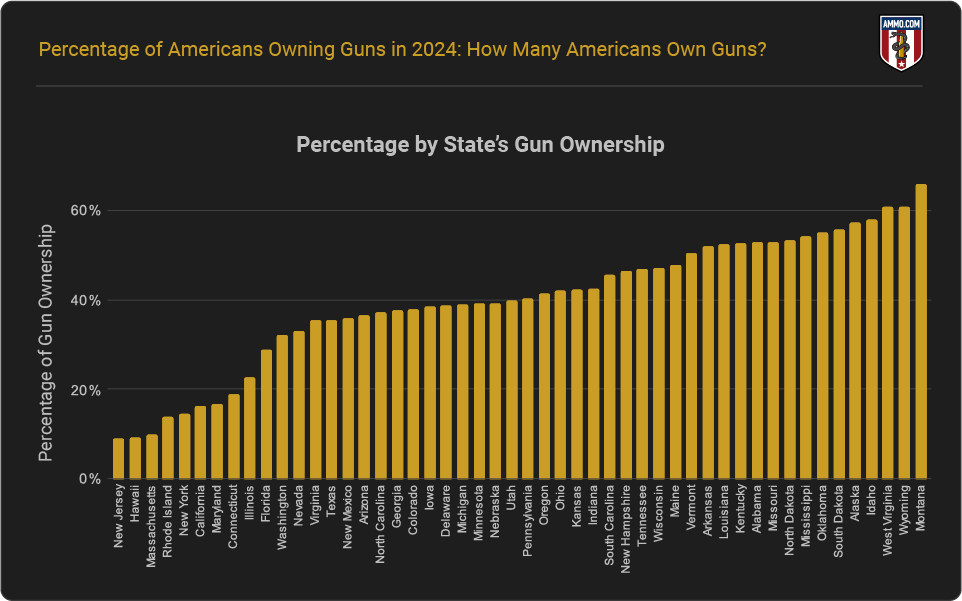
The correlation between firearm access and suicide lethality is a primary concern for health officials. Research into suicide methods indicates that the presence of a firearm in the home significantly increases the likelihood that a suicide attempt will be fatal. In counties like Shasta, where gun ownership is deeply integrated into the cultural and recreational fabric, the challenge for health workers is to promote mental health awareness without alienating a population that views firearm ownership as a fundamental part of their identity.
Mental health experts suggest that the isolation inherent in mountainous terrain can exacerbate depressive symptoms. When combined with the rapid nature of firearm-related suicides, the window for intervention is often extremely narrow. Community leaders are currently exploring ways to bridge this gap by integrating mental health screenings into non-traditional settings, such as agricultural hubs and local community centers.
How does gun ownership affect suicide prevention efforts?
In Shasta County, the high density of firearms presents a unique set of variables for suicide prevention strategies. For many residents, firearms are essential tools for hunting, pest control, and personal protection. This cultural context means that traditional gun control arguments often face significant local resistance. Instead, prevention efforts have shifted toward “means reduction”—strategies designed to create time and distance between a person in crisis and a lethal method.

Means reduction in rural California focuses on several key areas:
- Safe Storage: Encouraging the use of gun safes, trigger locks, and ammunition separation.
- Temporary Relinquishment: Providing pathways for individuals to temporarily store firearms with trusted third parties or law enforcement during a mental health crisis.
- Education: Training residents to recognize the signs of suicidal ideation in peers and family members, particularly within male-dominated industries like contracting and forestry.
The impact of firearm accessibility is not limited to the individual’s immediate household. In rural settings, the movement of tools and equipment between job sites and homes can lead to unsecured firearms, as seen in the case of Bill Rocha, who kept a firearm in his truck. Public health advocates are working to educate workers in the construction and contracting sectors about the risks of leaving firearms in vehicles, even when briefly unattended.
What legal measures are being used to address these issues?
California has implemented several legislative tools intended to mitigate the risk of firearm-related violence and suicide. One of the most prominent is the Gun Violence Restraining Order (GVRO), often referred to as a “Red Flag” law. This legal mechanism allows family members, law enforcement, or designated mental health professionals to petition a court to temporarily remove firearms from an individual who is deemed a danger to themselves or others.
The application of GVROs in rural counties like Shasta requires a delicate balance between public safety and the protection of Second Amendment rights. Law enforcement agencies in Northern California have noted that while these orders can be life-saving, they require clear, documented evidence of an imminent threat to be upheld in court. The process is designed to be temporary, allowing for a period of stabilization and mental health treatment before the individual can regain access to their property.
Additionally, California law mandates various waiting periods and background checks, which serve as a secondary layer of prevention. While these laws are often debated at the state level, their implementation in rural counties aims to provide a “cooling-off” period that can prevent impulsive acts of self-harm. Local officials continue to monitor the effectiveness of these mandates in reducing the overall suicide rate within the state’s more remote regions.
What resources are available for mental health support in Northern California?
For residents of Shasta County and surrounding areas, accessing immediate help is critical during a mental health crisis. Because of the geographical barriers to in-person care, digital and telephonic resources have become essential components of the local mental health infrastructure.

The following resources provide immediate assistance for those in crisis:
- 988 Suicide & Crisis Lifeline: A national network that provides 24/7, free, and confidential support via call or text.
- NAMI (National Alliance on Mental Illness): Offers local support groups and educational programs to help families navigate mental health challenges.
- California Department of Mental Health Services: Provides information on county-specific clinics and emergency psychiatric services.
Community-based organizations are also working to reduce the stigma associated with seeking help. Programs that focus on “mental health first aid” aim to train community members—such as neighbors, coworkers, and local business owners—to identify the early warning signs of distress. This grassroots approach is intended to catch individuals before they reach a point of crisis, potentially preventing the need for emergency legal interventions like GVROs.
Key Takeaways: Suicide Prevention in Rural California
- The Challenge: Shasta County faces a dual crisis of high suicide rates and high firearm ownership.
- The “Means” Factor: The presence of unsecured firearms in rural homes and vehicles increases the lethality of suicide attempts.
- Legal Tools: California’s Red Flag laws (GVROs) allow for the temporary removal of firearms from individuals in crisis.
- Prevention Focus: Strategies are shifting toward “means reduction” and safe storage education to respect local culture while increasing safety.
- Critical Resource: The 988 Lifeline remains the primary immediate contact for those experiencing a mental health emergency.
As local health departments continue to evaluate the efficacy of mental health outreach in Northern California, discussions regarding the expansion of tele-health services and increased funding for rural clinics are expected to remain at the forefront of county policy meetings. For updates on local mental health funding and public health advisories, residents are encouraged to monitor official Shasta County government communications.
If you or someone you know is struggling or in crisis, help is available. Call or text 988 or chat at 988lifeline.org in the US and Canada.
What are your thoughts on the balance between rural traditions and public health safety? Share this article and join the conversation in the comments below.
Worth a look