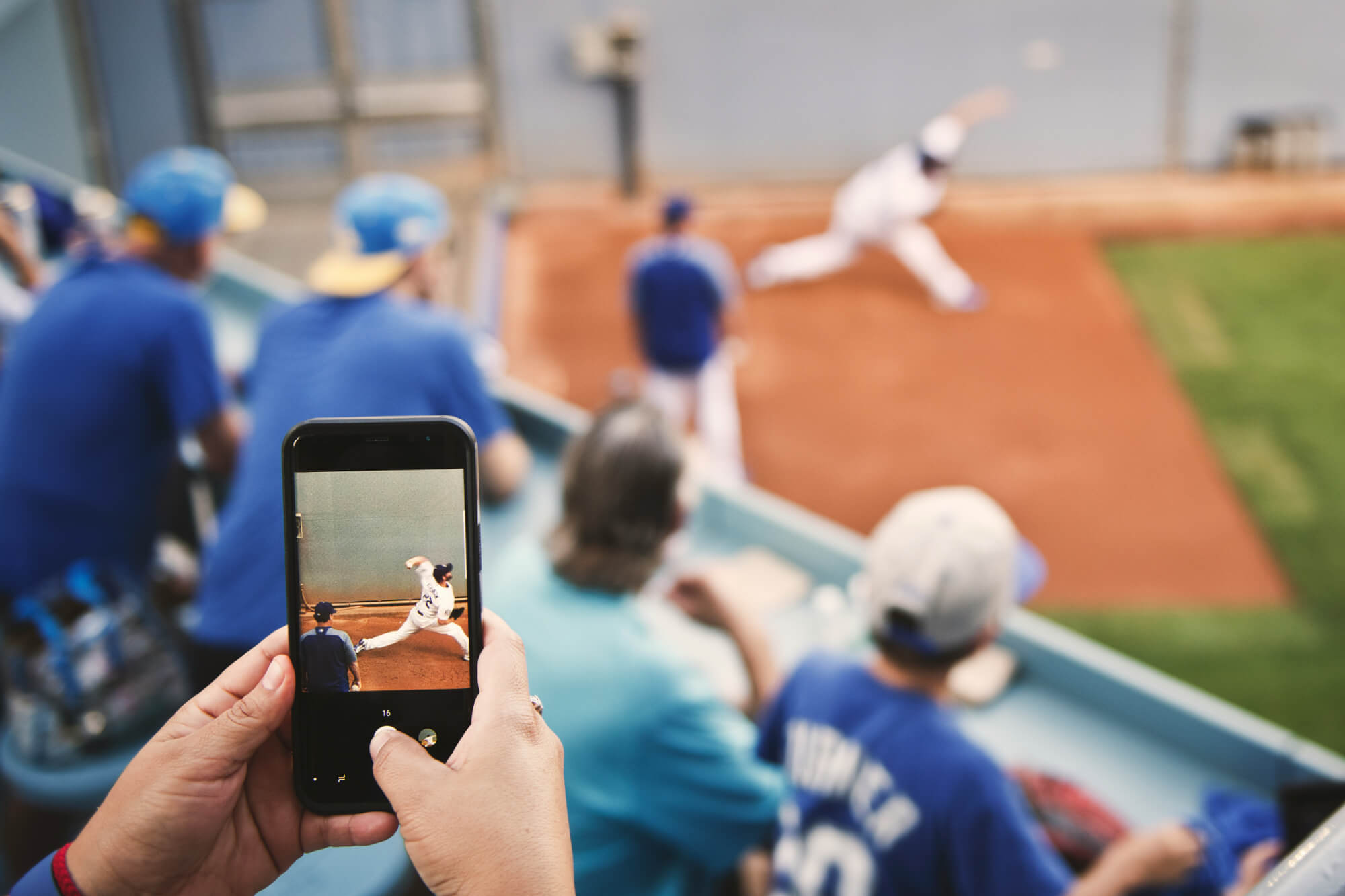
Social media has not silenced the tradition of sports debate; instead, it has transformed every spectator into a self-styled scout, fundamentally altering how fans analyze, critique, and consume athletic performance. While critics often argue that digital platforms have reduced complex tactical discussions to reactionary soundbites, data from the Pew Research Center suggests that the ubiquity of mobile connectivity has actually empowered fans to access advanced metrics and real-time game footage once reserved for professional coaching staffs. This democratization of information means that the modern sports fan is often as well-versed in expected goals (xG), defensive efficiency ratings, and player movement heatmaps as the commentators on television.
As a sports journalist who has spent over 13 years covering the pitch, I have observed this shift firsthand. The barrier to entry for deep-dive sports analysis has collapsed. Where a fan once had to wait for a newspaper column the following morning to understand why a specific tactical substitution failed, they now have access to instant, frame-by-frame breakdowns on platforms like X (formerly Twitter) and YouTube. This evolution has moved the “sports debate” from the local pub to a global, continuous, and highly scrutinized digital arena.
The Evolution of the Amateur Scout
The rise of high-definition streaming and accessible data-tracking software has turned the average fan into an amateur analyst. According to an analysis by Nielsen Sports, a significant portion of sports consumption now occurs on “second screens,” where fans simultaneously watch a match and engage with real-time statistics. This behavior is not merely passive; it is an active form of scouting.
Fans now utilize tools like Opta or FBref to validate their opinions with hard data. When a manager makes a controversial tactical change, the digital discourse is no longer limited to “he played poorly.” Instead, it is framed through the lens of player efficiency, turnover rates, and spatial awareness. This level of technical literacy has forced traditional media outlets to elevate their own analysis to keep pace with an audience that is increasingly capable of identifying when a narrative does not align with the statistical reality of a match.
The Impact of Instantaneous Feedback Loops
The speed of social media has created a permanent, high-velocity feedback loop that connects players, coaches, and the public. In the past, the relationship between a professional athlete and the public was mediated entirely by traditional broadcast journalism. Today, that connection is direct. Players often hear the “scouting report” from their own fan base in real-time.
This environment has its challenges. The Professional Footballers’ Association (PFA) has noted that the intensity of this constant, public evaluation can have significant impacts on player mental health. Because everyone is a scout, everyone has a platform to voice their critique, which often results in a relentless stream of feedback that was previously impossible for an athlete to encounter outside of their internal team structure.
Data Literacy and the Death of the “Eye Test”
There is a growing tension between the traditional “eye test”—the intuitive understanding of a game developed through years of watching—and the cold precision of sports analytics. The conflict is not that social media killed the debate, but that it forced the debate to become more rigorous. If a fan wants to argue that a striker is underperforming, they are now expected to provide evidence beyond a feeling.
According to the MIT Sloan Sports Analytics Conference, the integration of data into mainstream sports culture has made it nearly impossible for “hot take” culture to survive without being checked by those who prioritize empirical evidence. This has resulted in a more sophisticated, albeit more confrontational, sports discourse. The debate has become less about who shouts the loudest and more about who can best interpret the available data to support their stance.
What Happens Next in Sports Consumption
The future of sports debate lies in the further integration of Artificial Intelligence and augmented reality. As professional leagues continue to release more granular data to the public, the gap between a professional scout and a dedicated fan will continue to narrow. The next stage of this evolution will likely involve AI-driven tools that allow fans to simulate tactical outcomes or create their own scouting reports with professional-grade software.
For those interested in following how these trends develop, the Sports Business Journal regularly tracks the intersection of fan engagement, technology, and broadcast rights. The digital age has not destroyed the passion for sports debate; it has merely provided the tools to turn that passion into a pursuit of professional-level observation. The challenge for the future is ensuring that this newfound analytical power remains grounded in the human element of the game, maintaining a balance between the spreadsheet and the spirit of competition.
How do you view the role of data in your own sports fandom? Join the conversation in the comments section below and share your thoughts on whether the “scout-era” of sports debate has improved the way we watch the game.
Worth a look