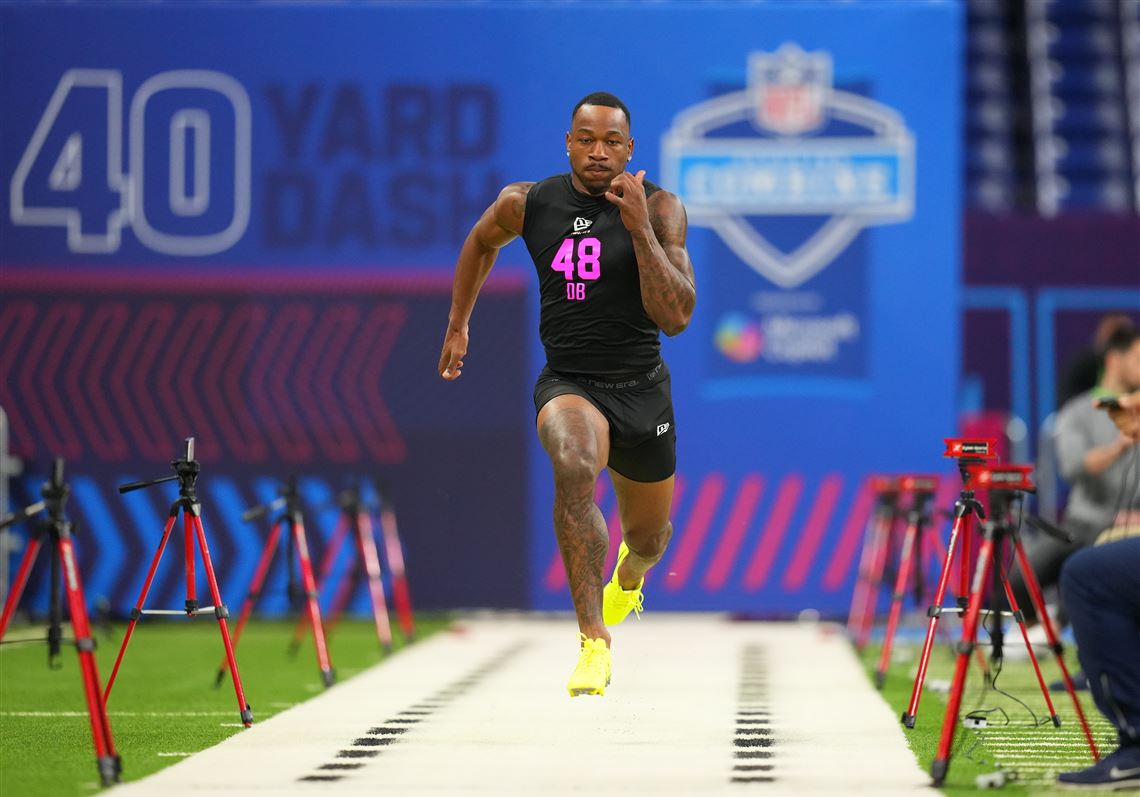
Pittsburgh Steelers rookie safety Robert Spears-Jennings has significantly altered his professional trajectory through elite athletic testing, most notably recording a 4.32-second 40-yard dash. This performance, which aligns with the upper echelon of NFL defensive back speed, has served as a primary catalyst for his rising stock among league scouts and coaching staffs ahead of the upcoming draft cycle. According to official NFL scouting profiles, such explosive speed metrics are critical indicators for transition into the secondary at the professional level.
The transition from collegiate standout to NFL prospect often hinges on measurable physical data. For Spears-Jennings, the 4.32-second mark is not merely a singular statistic; it represents a functional shift in how evaluators view his range and closing speed in deep-field coverage. By demonstrating this level of acceleration, he has distinguished himself within a competitive defensive back class, providing teams with the raw data necessary to justify high-round investments.
The Impact of Elite Speed on NFL Draft Projections
In the modern NFL, where passing offenses dominate, the ability to cover sideline-to-sideline is a premium requirement for safeties. A 4.32-second 40-yard dash places a prospect in a rare tier of athleticism, often associated with players capable of playing both “single-high” safety roles and matching up with elite wide receivers. According to analysis from ESPN, this physical profile allows defensive coordinators to implement more complex, aggressive coverage schemes without sacrificing safety over the top.

The speed metric serves as a corrective measure for film-based concerns. While game tape provides context for instincts and tackling ability, the 40-yard dash quantifies the potential for recovery speed. For a prospect like Spears-Jennings, this verified time acts as an insurance policy for teams concerned about potential technical lapses, effectively raising his “floor” in the eyes of general managers who prioritize physical ceiling during the evaluation process.
Comparing Athletic Profiles in the Secondary
Athletic testing results are frequently used by teams to rank prospects who otherwise exhibit similar collegiate production levels. When comparing the current safety class, the 4.32-second dash provides a clear point of differentiation. Historical data from the NFL Scouting Combine indicates that safeties clocking under 4.40 seconds historically see a higher rate of success in maintaining starting roles through their initial rookie contracts.
This comparison is vital for understanding why Spears-Jennings has moved into the conversation for premium draft consideration. While other prospects may show superior ball production or physical stature, the pure speed element introduces a unique tactical advantage. By anchoring his profile in this specific metric, Spears-Jennings has effectively forced teams to reconsider their positional value models regarding the safety position.
What Happens Next for the Rookie Prospect
Following the conclusion of recent pro days and private workouts, the next major milestone for Spears-Jennings is the upcoming NFL Draft. Teams will now integrate his verified speed metrics with medical evaluations and team interviews to finalize their draft boards. According to the official NFL Draft order, the selection process remains the definitive checkpoint for determining his professional landing spot and contract structure.

The Pittsburgh Steelers, known for their historical emphasis on defensive speed and physicality, will continue to monitor his progress as the draft approaches. For observers and fans, the next official update will occur during the televised draft event, where the team’s decision will validate the impact of his recent athletic performances. Comment on this story below to share your thoughts on whether elite speed metrics should outweigh collegiate production in modern draft strategy.
Keep reading