
Steffani (39) has secured permanent employment, marking a successful transition into the workforce through inclusive hiring initiatives. Her journey, which highlights the practical application of inclusive labor practices, underscores the role of tailored support systems in bridging the gap between job seekers with unique needs and employers looking to fill roles. According to reports, this transition has provided her with both professional stability and personal satisfaction in her new role.
Understanding Inclusive Labor Practices
Inclusive labor practices, or “inkluderende arbeidsliv” in the Norwegian context, refer to systematic efforts by employers and the state to ensure that individuals who face barriers to traditional employment can find and maintain meaningful work. These programs often involve collaboration between the Norwegian Labour and Welfare Administration (NAV) and private sector employers. As noted by the Norwegian Labour and Welfare Administration (NAV), the primary objective is to increase the workforce participation rate by providing necessary accommodations and follow-up services for both the employee and the workplace.
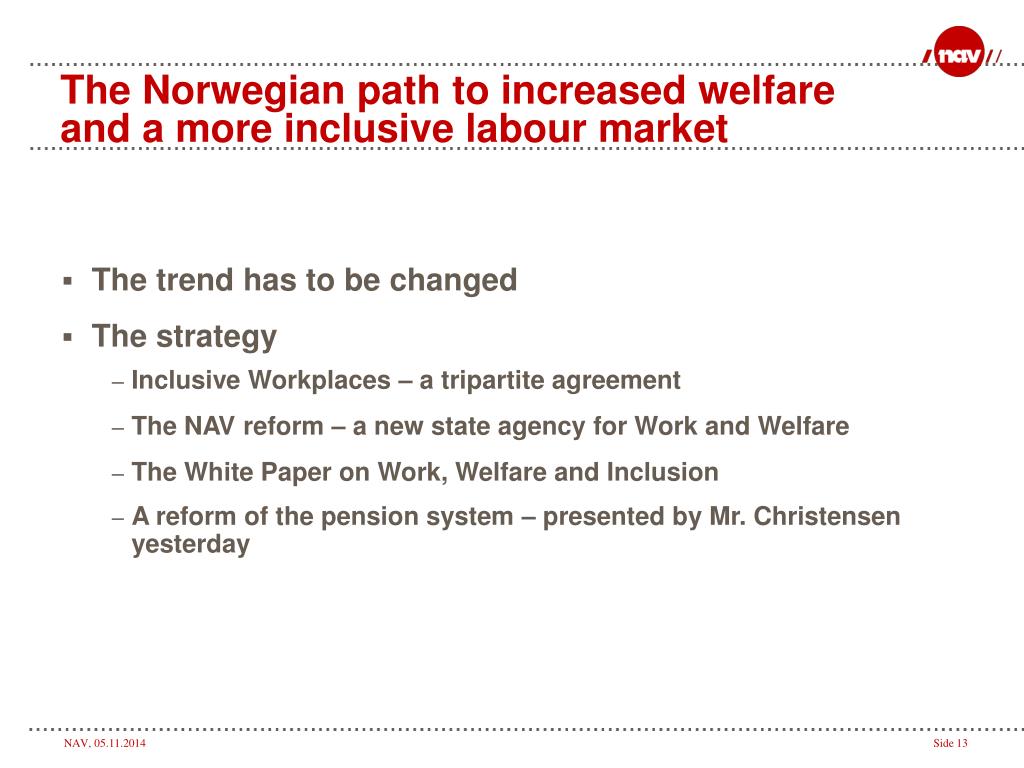
For many, the path to permanent employment involves a trial period or a subsidized placement that allows the individual to demonstrate their capabilities in a real-world environment. These arrangements are designed to mitigate perceived risks for employers while offering job seekers a structured entry point into the labor market. The success of these placements often depends on clear communication and the availability of ongoing support from job coaches or case managers.
The Impact of Workplace Integration
The transition to permanent employment serves as a significant milestone, providing individuals with the financial independence and social integration that a steady job offers. Steffani’s experience reflects a broader trend of companies recognizing the value of a diverse workforce. Research consistently shows that when employers successfully integrate employees who require specific accommodations, they often report improvements in workplace culture and team morale. According to Statistics Norway (SSB), inclusive hiring remains a key focus of national economic policy as the country seeks to maximize its human capital.

The process of securing a permanent position usually involves several stages, starting with an initial assessment of the candidate’s skills and potential barriers. Following this, the candidate is matched with a suitable employer, often with support from a local NAV office. Once the placement begins, the focus shifts to ensuring that both the employer and the employee have the tools they need to succeed. This might include physical adjustments to the workspace, flexible scheduling, or specialized training.
Building a Sustainable Career Path
Securing a permanent role is often only the beginning of a long-term professional development journey. For individuals who have navigated the inclusive labor system, the shift to a permanent contract provides the security necessary to focus on career growth and skill acquisition. Employers who participate in these programs often benefit from government incentives, which help offset the costs associated with training and initial onboarding.
According to The Norwegian Ministry of Labour and Social Inclusion, the government continues to prioritize policies that encourage companies to hire individuals who are currently outside the labor force. These efforts are part of a larger strategy to maintain a high employment rate in a modern, competitive economy. By focusing on individual potential rather than historical barriers, these programs aim to create a more resilient and versatile workforce.
Looking Ahead: Future Opportunities
For those seeking similar paths to employment, the most effective first step is to engage with local welfare offices to understand the available resources and programs in their specific region. Staying informed about current labor market trends and participating in vocational training programs are also recommended strategies for job seekers. As the landscape of the Norwegian labor market evolves, the emphasis on inclusive hiring is expected to remain a critical component of national strategy.
The next official update on national employment statistics and the performance of inclusive hiring programs is scheduled to be released by Statistics Norway in their quarterly labor force survey. Readers interested in learning more about how these programs function or how to apply for support can find comprehensive information on the official NAV portal. If you have personal experience with inclusive hiring or questions about the process, feel free to share your thoughts in the comments section below.