Chronic sleep deprivation is increasingly recognized by medical researchers as a significant physiological stressor that can impair male reproductive health and sexual function. Clinical evidence suggests that persistent sleep deficiency disrupts the body’s endocrine regulation, potentially leading to lower testosterone levels, diminished libido, and complications such as erectile dysfunction, according to data published by the National Sleep Foundation.
As a physician, I frequently observe patients who underestimate the systemic impact of poor sleep hygiene. While patients often focus on daytime fatigue or cognitive impairment, the hormonal consequences—particularly the elevation of cortisol and the subsequent suppression of reproductive hormones—are profound. Maintaining healthy sleep architecture is a foundational, yet often overlooked, component of male health management.
The Hormonal Connection Between Sleep and Testosterone
The relationship between sleep duration and testosterone production is cyclical and highly sensitive. Research indicates that testosterone levels rise during sleep and reach their peak during REM cycles. According to a study published in the Journal of the American Medical Association (JAMA), healthy men who restricted their sleep to five hours per night for one week showed a significant reduction in daytime testosterone levels, equivalent to aging 10 to 15 years.
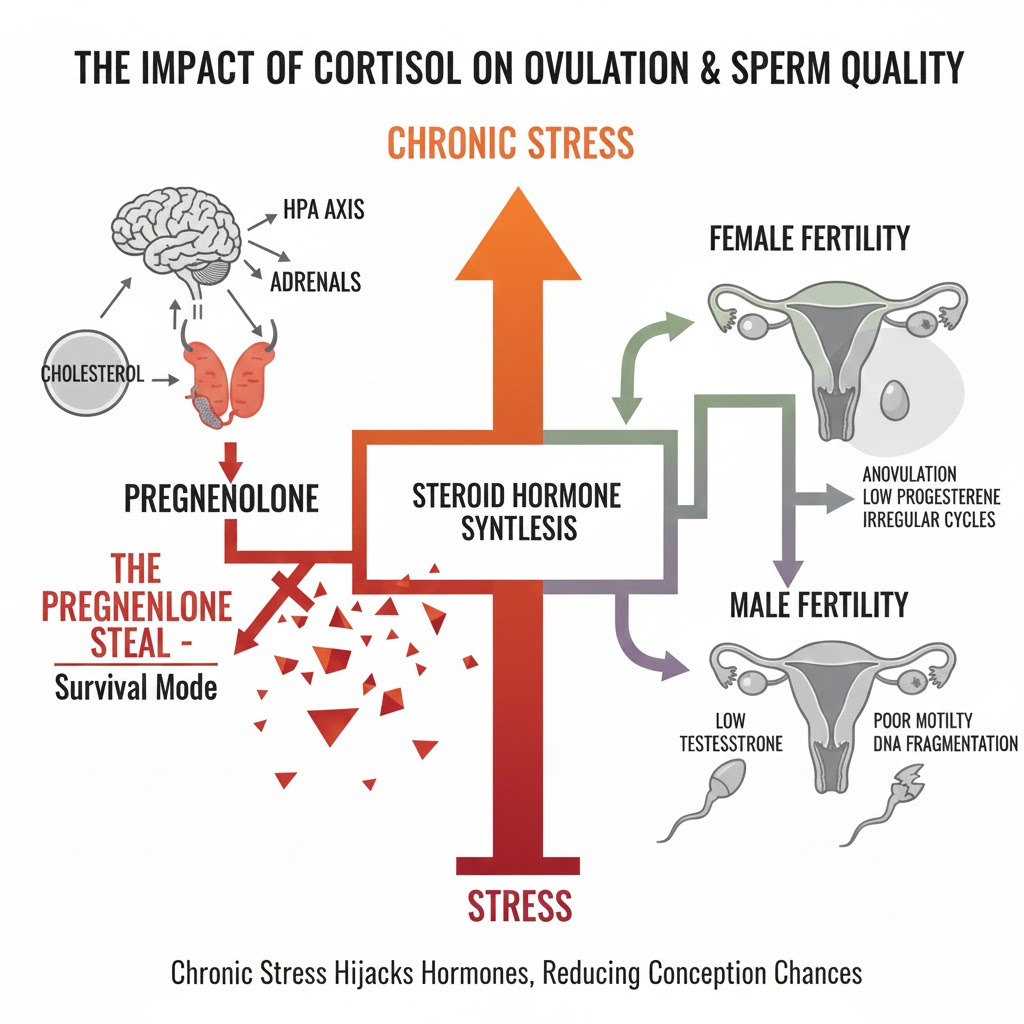
When the body is deprived of adequate rest, the hypothalamic-pituitary-adrenal (HPA) axis remains in a state of activation. This results in sustained elevation of cortisol, the body’s primary stress hormone. High cortisol levels act as a physiological antagonist to testosterone; when cortisol is chronically elevated, it can suppress the production and function of sex hormones. This hormonal imbalance is a recognized contributor to reduced sexual desire in men, a condition clinically referred to as hypoactive sexual desire disorder.
Impact on Erectile Function and Sperm Quality
Beyond hormonal fluctuations, sleep deprivation affects the cardiovascular and neurological pathways necessary for sexual performance. Erectile function relies on healthy vascular health and autonomic nervous system regulation. The National Institutes of Health (NIH) notes that sleep disorders, such as obstructive sleep apnea, are strongly correlated with erectile dysfunction due to intermittent hypoxia and systemic inflammation, which damage the endothelial lining of blood vessels.
Sperm health is similarly susceptible to circadian disruption. Oxidative stress, which increases during periods of sleep debt, can damage sperm DNA integrity and reduce motility. A study featured in the Oxford Academic Human Reproduction journal found that men who reported short sleep duration (less than six hours) or poor sleep quality exhibited lower sperm counts and reduced semen volume compared to those who achieved seven to eight hours of restorative sleep per night.
Addressing Sleep Hygiene for Long-Term Health
Improving sleep hygiene is a primary intervention for addressing stress-related sexual health concerns. Medical guidelines typically recommend that adults aim for seven to nine hours of quality sleep per night. For those struggling with persistent sleep disruption, clinical evaluation is necessary to rule out underlying conditions such as sleep apnea, restless leg syndrome, or anxiety disorders.

The following strategies are often recommended by sleep specialists to support healthy hormonal balance:
- Consistent Scheduling: Maintaining a regular wake-up and bedtime schedule, even on weekends, to stabilize the circadian rhythm.
- Environmental Optimization: Keeping the bedroom dark, quiet, and cool to facilitate deep sleep stages.
- Digital Detox: Reducing blue light exposure from screens at least one hour before bed, as light suppression of melatonin can delay sleep onset.
- Stress Mitigation: Engaging in mindfulness-based practices or physical activity earlier in the day to lower cortisol levels before nighttime.
Patients who experience persistent symptoms of sexual dysfunction or chronic fatigue should consult a primary care physician or a urologist to discuss their sleep habits and receive appropriate diagnostic screening. Reliable information on sleep disorders and public health advisories remains available through the Centers for Disease Control and Prevention (CDC). Further clinical updates regarding sleep-related endocrine research are expected to be presented at upcoming endocrinology conferences later this year.
If you or a loved one has questions about how lifestyle changes impact reproductive health, please share your thoughts or experiences in the comments section below. Our editorial team monitors these discussions to inform our future health coverage.
Worth a look