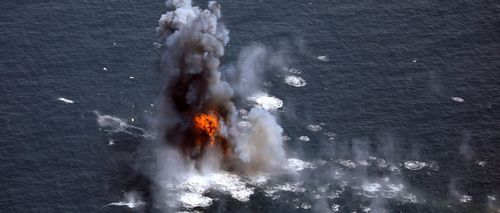
The Strait of Hormuz remains one of the most critical maritime chokepoints in the global economy. Situated between Oman and Iran, this narrow waterway serves as the essential transit route for a significant portion of the world’s seaborne crude oil and liquefied natural gas (LNG). As global supply chains have become increasingly integrated, the vulnerability of this passage has moved from a regional geopolitical concern to a primary focus for international trade policy and energy security analysts.
The strategic importance of the Strait of Hormuz is underscored by the sheer volume of energy commodities that pass through its waters daily. According to data from the U.S. Energy Information Administration (EIA), total petroleum liquids flowing through the Strait averaged 21 million barrels per day in 2023, representing approximately 21% of global petroleum liquids consumption. Any disruption to this transit point creates immediate ripple effects, influencing everything from global fuel prices to the availability of essential agricultural inputs like fertilizers.
The Economic Reality of Maritime Chokepoints
The global economy relies on the principle of free navigation to maintain the flow of goods and raw materials. When transit through a major artery is threatened or restricted, the costs of logistics—already under pressure from broader macroeconomic shifts—tend to rise sharply. This is not merely an energy issue; it is a systemic risk to the global supply chain, where delays in shipping contribute to inflationary pressures and market volatility.
The dependence on this specific route for gas and fertilizer exports means that agricultural sectors far removed from the Middle East can experience sudden supply shocks. As noted by the World Bank’s food security updates, disruptions in trade corridors often lead to localized price spikes in essential commodities. For businesses and policymakers, the challenge lies in diversifying supply routes and maintaining strategic reserves to mitigate the impact of potential closures.
Geopolitical Risks and Market Stability
Tensions in the region frequently translate into uncertainty for maritime insurance markets. When the risk profile of the Strait of Hormuz increases, shipping companies often face higher premiums, which are inevitably passed on to the end consumer. The International Maritime Organization (IMO) continues to emphasize the importance of maintaining the safety and security of international shipping lanes, yet the intersection of state-level geopolitical maneuvering and commercial transit remains a complex hurdle.
Investors and market analysts monitor these developments closely, looking for indicators of sustained instability. The concern is rarely a total, permanent closure, but rather the threat of restricted access or harassment of commercial vessels, which creates a “risk premium” that affects oil and gas futures pricing globally.
Key Factors Influencing Maritime Security
- Energy Dependency: The high percentage of oil and LNG transit makes the Strait a focal point for energy price fluctuations.
- Supply Chain Fragility: Modern “just-in-time” manufacturing processes leave little room for the delays associated with rerouting shipments.
- Insurance Costs: Increased security threats lead to higher war-risk insurance premiums for tankers operating in the region.
- Regulatory Oversight: International bodies and regional naval forces maintain a constant presence to uphold the United Nations Convention on the Law of the Sea (UNCLOS).
Looking Ahead: Navigating Uncertainty
For businesses operating on a global scale, the lesson of the past decade is clear: maritime corridors are not guaranteed. The ability to adapt to sudden changes in transit availability is now a core component of risk management. Organizations are increasingly turning to UNCTAD’s maritime transport reports to understand long-term trends in shipping capacity and port infrastructure, which are essential for weathering periods of heightened regional tension.
As we move through 2026, stakeholders remain focused on diplomatic efforts to ensure the continued flow of commerce. The next scheduled updates regarding regional security assessments and trade policy adjustments will be critical for businesses planning their Q3 and Q4 logistics strategies. We will continue to track these developments as they emerge from official maritime and economic authorities.
How is your organization adjusting its supply chain strategy in response to global maritime risks? Share your thoughts in the comments below or join the conversation on our social media platforms.