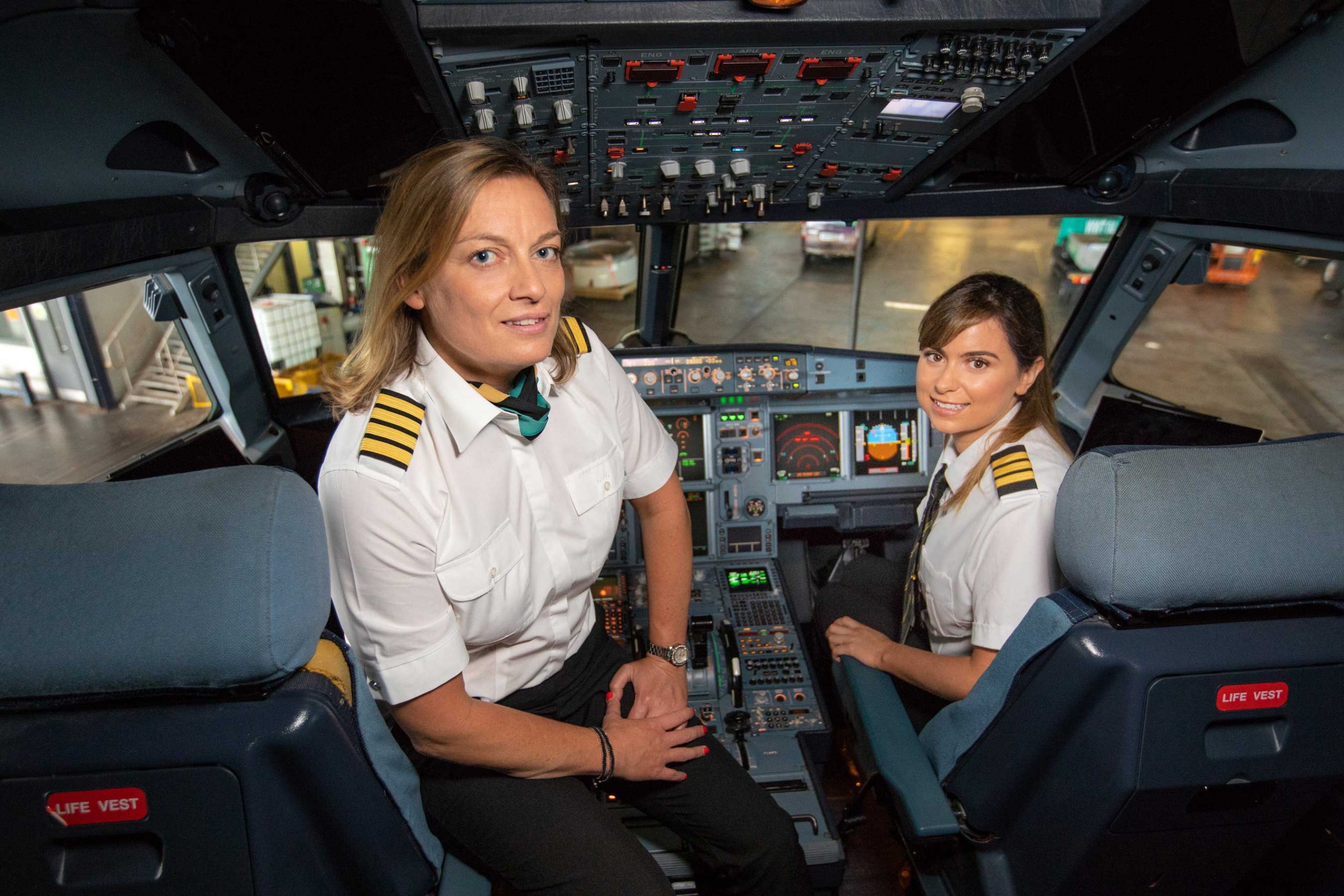
SWISS International Air Lines is facing increasing pressure to improve the representation of women in its flight decks by addressing biological and logistical hurdles, including menstruation, pregnancy, and breastfeeding. Female crew members are advocating for structural changes and better support systems to make long-haul and short-haul pilot careers more sustainable for women.
The demand for improved conditions comes as the aviation industry grapples with a global pilot shortage and a persistent gender gap in flight operations. Crew members at the Swiss carrier are highlighting that the current operational framework often fails to account for the physiological realities of female pilots, potentially deterring women from pursuing or remaining in the profession.
While Swiss International Air Lines has historically maintained a male-dominated cockpit, the push for diversity is part of a broader movement within the Lufthansa Group—the parent company of SWISS—to enhance gender equality across its various subsidiaries. The core of the current dispute involves how the airline manages health-related requirements that specifically affect female employees.
Addressing physiological challenges in the cockpit
A central component of the crew’s advocacy involves the management of menstruation during flight duty. For many female pilots, the combination of irregular flight schedules, varying time zones, and the physiological effects of cabin pressure presents unique challenges. Medical discussions in aviation often highlight how changes in atmospheric pressure can exacerbate symptoms such as pelvic congestion or abdominal discomfort.
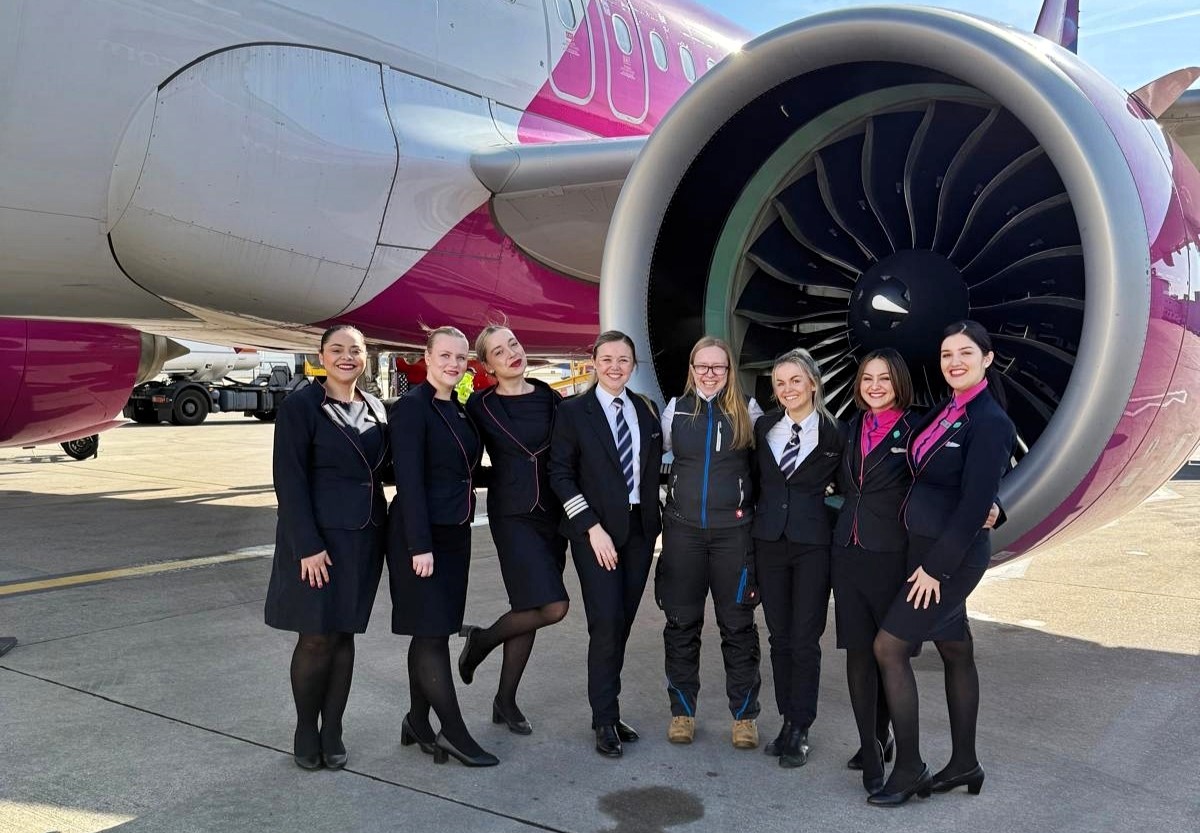
Beyond menstruation, pregnancy and breastfeeding have emerged as significant career hurdles. Under current aviation safety regulations, pregnant pilots face specific medical restrictions. According to the European Union Aviation Safety Agency (EASA), medical certification for pilots—specifically the Class 1 Medical certificate required for commercial pilots—is subject to rigorous standards that must account for the health of both the pilot and the fetus.
The transition back to flight duty after maternity leave also presents logistical difficulties. Crew members have noted a lack of standardized protocols regarding breastfeeding and the ability to maintain flight schedules while managing the needs of an infant. Without clear company policies that support these life stages, the industry risks losing experienced female pilots to more flexible career paths.
The regulatory landscape of aviation medical certification
The intersection of reproductive health and aviation safety is governed by strict medical guidelines. For any pilot to operate a commercial aircraft, they must maintain a valid medical certificate that proves they are physically and mentally fit for duty. These standards are designed to ensure the safety of passengers, crew, and the aircraft.

Pregnancy in the cockpit is not merely a matter of company policy but a matter of international regulatory compliance. When a pilot becomes pregnant, medical examiners must assess whether the flight environment—characterized by hypoxia risks, radiation exposure at high altitudes, and physical fatigue—poses a risk. Consequently, many airlines implement mandatory flight restrictions or temporary groundings for pregnant crew members to comply with safety protocols.
The challenge for SWISS and other major carriers lies in creating a supportive environment that allows women to navigate these regulatory requirements without facing career stagnation. This includes providing clear communication regarding medical leave, reintegration programs, and flexible scheduling where safety permits.
Why gender diversity matters for the aviation industry
The push for more women in the cockpit is not solely a matter of social equity; it is a strategic necessity for the stability of the global aviation sector. The industry is currently navigating a significant labor deficit, with a high demand for qualified flight crew members across all major airlines.
By failing to provide an environment that accommodates the biological realities of female pilots, the industry effectively shrinks its available talent pool. Increasing the female pilot ratio can help mitigate the pilot shortage and bring diverse perspectives to flight operations and airline management.
Furthermore, the Lufthansa Group, which oversees SWISS, has identified diversity and inclusion as key components of its long-term corporate strategy. Improving the female representation in technical and operational roles is seen as a way to foster innovation and improve employee retention rates.
Key Challenges for Female Pilots
- Medical Certification: Navigating the strict requirements of Class 1 Medical certificates during pregnancy or hormonal health changes.
- Operational Logistics: Managing irregular sleep patterns and time zone shifts alongside menstrual health.
- Infrastructure: A lack of standardized support for breastfeeding and postpartum reintegration into flight schedules.
- Career Longevity: The risk of professional plateauing due to perceived or actual limitations regarding family planning.
Looking ahead: The path to cockpit equality
The ongoing discussions at SWISS reflect a broader shift in how the aviation industry views its workforce. As more women enter flight training programs globally, the pressure on legacy carriers to modernize their health and family policies will likely intensify.
Industry observers suggest that the next steps will involve more transparent negotiations between airline management and crew unions. These discussions are expected to focus on creating “health-friendly” scheduling and clearer medical guidelines that balance the absolute necessity of flight safety with the physiological needs of a diverse workforce.
The success of these initiatives will be measured by the long-term retention of female pilots and the gradual increase of their percentage in the cockpit. For SWISS, addressing these issues is a critical step in maintaining its position as a leading global carrier in a changing social and professional landscape.
Next Steps: Stakeholders are awaiting further statements from SWISS management regarding potential updates to their internal crew health policies and diversity targets for the upcoming fiscal year.
Do you believe the aviation industry is doing enough to support female pilots? Share your thoughts in the comments below and share this article with your network.
Frequently Asked Questions
Why is pregnancy a concern for commercial pilots?
Pregnancy involves physiological changes that must be monitored to ensure the safety of both the pilot and the fetus. Regulatory bodies like EASA set standards regarding radiation, oxygen levels, and physical strain that pilots must adhere to during pregnancy.
Does being a female pilot affect medical certification?
Female pilots must undergo the same rigorous Class 1 Medical examinations as male pilots. However, they may face additional scrutiny or specific requirements related to reproductive health and hormonal balance to ensure they meet all safety standards.
How does the pilot shortage impact gender diversity?
The global shortage of pilots means airlines must look to all available talent pools. By making the profession more inclusive and accommodating for women, airlines can tap into a significant demographic that has historically been underrepresented.
Related reading