As the global agricultural sector faces mounting pressure to balance productivity with environmental sustainability, digital innovation has emerged as a critical lever for change. Among the emerging tools designed to support this shift is SynDev, a digital platform aimed at streamlining the complexities of the agro-ecological transition. By integrating data-driven decision-making into farming practices, such technologies are increasingly viewed as essential components for modernizing how we approach food security and environmental stewardship.
The transition toward agro-ecology involves moving away from intensive industrial models toward systems that rely on natural processes, biodiversity, and reduced chemical inputs. For many producers, this shift is not merely philosophical but highly technical, requiring precise management of soil health, crop rotation, and resource allocation. Digital platforms like SynDev seek to bridge this gap, offering farmers the analytical capacity to track ecological indicators alongside traditional yield metrics.
Data-Driven Sustainability in Modern Farming
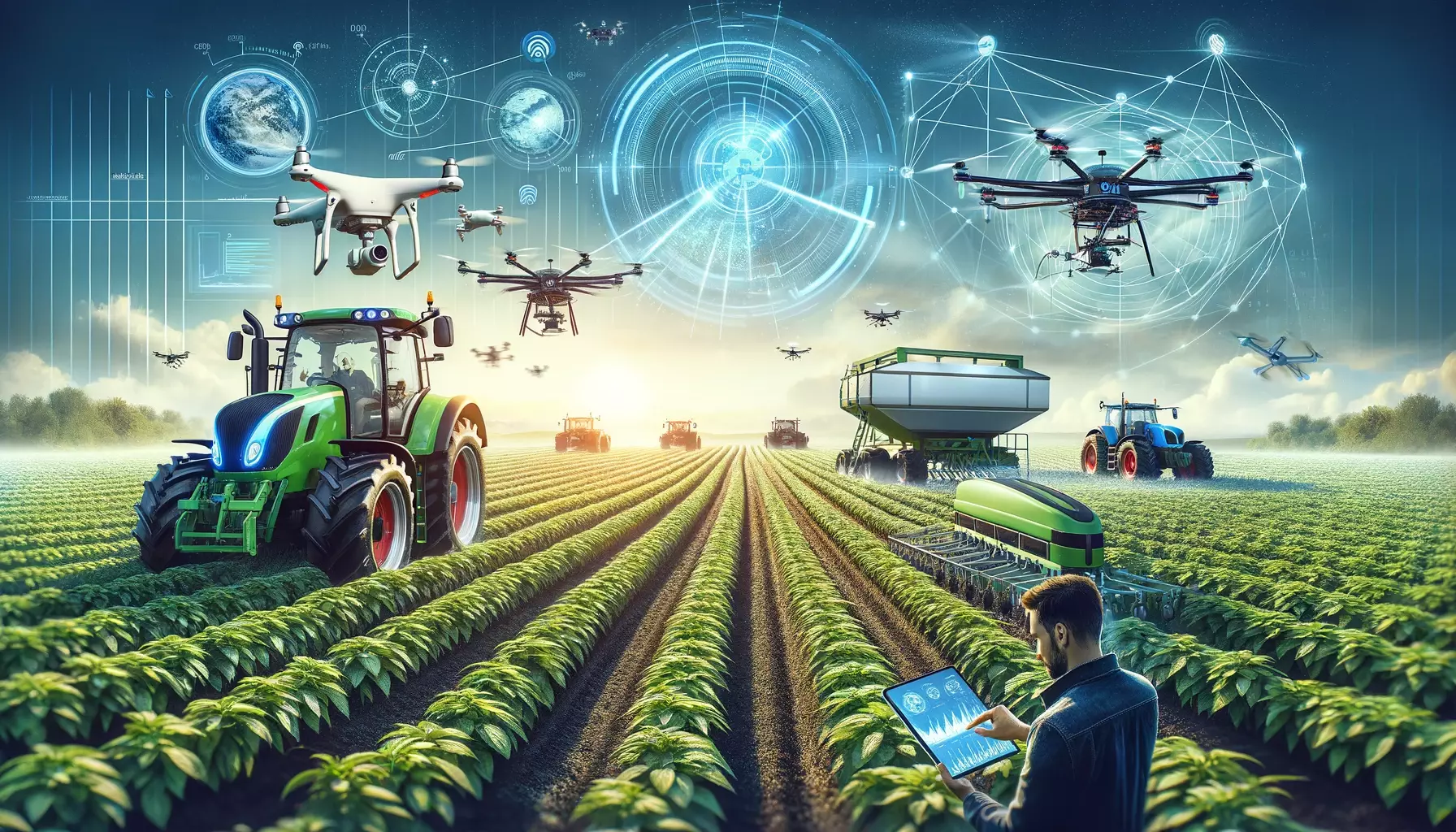
At the core of the digital agricultural movement is the concept of precision—using software to apply resources only where and when they are needed. This reduces waste, lowers operational costs, and minimizes the environmental footprint of large-scale operations. According to the Food and Agriculture Organization (FAO) of the United Nations, digital technologies are playing an increasingly pivotal role in helping farmers adapt to climate change and improve the sustainability of their production cycles.
For platforms focusing on agro-ecology, the challenge lies in simplifying complex biological data. Farmers are often inundated with information from various sensors, weather stations, and soil monitors. A system that can synthesize this data into actionable insights allows producers to make informed choices about irrigation, fertilization, and pest management without the need for excessive chemical intervention. This integration is vital for the long-term viability of agricultural land, as highlighted in reports regarding European Union agricultural policies that prioritize environmental sustainability.
The Role of Software in Ecological Transitions
The development of tools like SynDev reflects a broader trend in the tech industry: the pivot toward “Green Tech” or “AgTech.” By applying software engineering principles—such as predictive modeling and automated reporting—to the biological realities of a farm, developers are helping to quantify the benefits of ecological practices. This quantification is essential for farmers who may be participating in government-subsidized programs that require verified proof of environmental improvement.

In many regions, including France and the broader European market, government initiatives are providing financial incentives for farmers to adopt more sustainable practices. However, the administrative burden of verifying these improvements can be high. Software solutions that automate the tracking of biodiversity markers or carbon sequestration levels provide a dual benefit: they help the farmer manage their land more effectively and simplify the reporting process for regulatory compliance.
Challenges and Future Outlook
Despite the promise of digital tools, the adoption of new technology in agriculture faces significant hurdles. Infrastructure gaps, such as limited rural internet connectivity, remain a persistent issue in many parts of the world. There is a “digital divide” where older generations of farmers may be less comfortable with complex software interfaces compared to younger, tech-native counterparts. For platforms like SynDev to achieve widespread impact, user accessibility and intuitive design must remain top priorities.
Looking ahead, the integration of artificial intelligence and machine learning into these platforms is expected to further refine their capabilities. By analyzing historical data and regional weather patterns, future iterations of these tools could offer even more personalized advice for crop management. As noted by the OECD, the digital transformation of agriculture is not just about adopting new gadgets. it is about fundamentally rethinking how information is used to support the resilience of our food systems.
Key Takeaways for Producers and Stakeholders
- Precision Management: Digital tools help minimize resource waste by providing granular data on soil and crop needs.
- Regulatory Support: Automated software can simplify the verification process required for environmental subsidies and government grants.
- Resilience Building: Data-driven insights enable farmers to better adapt to fluctuating weather patterns and climate-related challenges.
- Accessibility: The success of these platforms depends on user-friendly interfaces that cater to all levels of technical expertise.
As the agricultural community continues to navigate the complexities of the agro-ecological transition, the role of digital innovation will only grow. Stakeholders interested in the latest developments regarding sustainable farming regulations and technology standards should monitor updates from the French Ministry of Agriculture and Food Sovereignty, which frequently publishes guidance on the digitalization of the sector.
How is your operation integrating digital tools to meet sustainability goals? We invite our readers to share their experiences and insights in the comments section below. Stay tuned for our upcoming feature on the impact of satellite imagery in precision farming, scheduled for release next month.
Keep reading