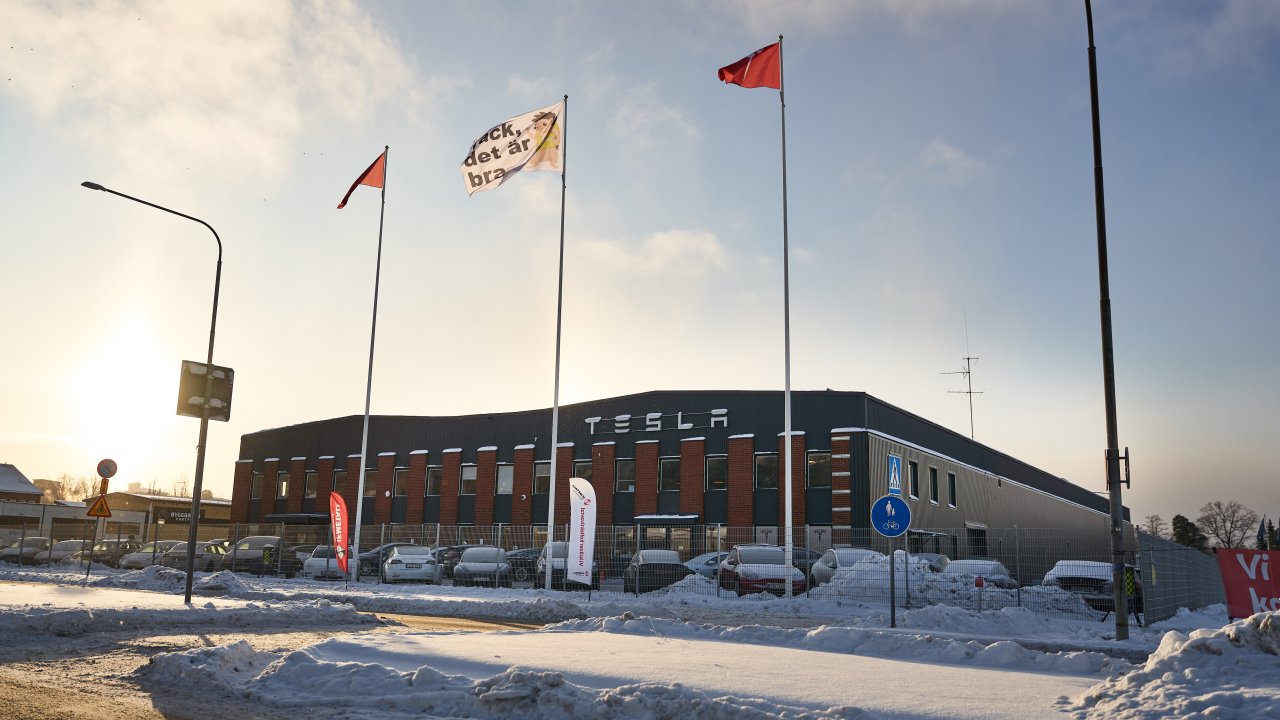
The longest strike in modern Swedish labor history is drawing to a close after nearly three years, concluding with what labor representatives describe as a corporate buyout of the remaining workforce. According to the Swedish metalworkers union IF Metall, the labor action against Tesla Inc. will formally end on August 19, following a prolonged deadlock over collective bargaining agreements.
The dispute began on October 27, 2023, when approximately 120 mechanics at Tesla service centers across Sweden walked off the job. The strike was sparked by Chief Executive Officer Elon Musk’s refusal to sign a collective bargaining agreement with IF Metall, a foundational framework in the Swedish labor market that governs wages, overtime, holidays, and pensions. Unlike many other European jurisdictions where labor floors are anchored directly in statutory law, Sweden relies heavily on industry-specific agreements negotiated between employers and labor unions.
As the standoff persisted for 1,021 days, the confrontation widened significantly across the Nordic region. According to additional coverage from Investor.bg, sympathetic labor groups in neighboring countries joined the fray, organizing extensive secondary boycotts that blocked vehicle unloads, port logistics, and postal deliveries tied to the American automaker.
The Collapse of the Strike Through Individual Settlements
Despite months of mediation services and international solidarity campaigns, Tesla maintained its refusal to sign a collective agreement. Over the course of the three-year conflict, the number of striking mechanics dwindled. According to the Swedish news agency TT, the union estimated that approximately 80 workers remained actively involved in the protest by its final stages.
Rather than negotiating a collective pact, the company initiated individual separation agreements with the remaining holdouts. Simon Pettersson, chief negotiator for IF Metall, stated that the automaker offered financial packages in exchange for workers leaving their positions by mutual consent. “Tesla opposes the collective agreement so strongly that it would rather buy out the workers who are union members than provide them with secure conditions,” Pettersson said, as reported by domestic media.
Pettersson added that the tactics employed by the corporation mirror methods that have been rejected in Sweden since the 1930s. Veli-Pekka Säikkälä, negotiation secretary at the Swedish Trade Union Confederation (LO), echoed those concerns in statements covered by the newspaper Aftonbladet, noting that the automaker brought in replacement workers via air travel and utilized financial resources to dissolve the workforce opposition.
Implications for the Swedish Labor Model
The resolution of the dispute without a collective bargaining agreement marks a severe test for the Nordic labor market model. In Sweden, where state intervention in wage-setting is minimal, the system depends on mutual agreements between organized labor and employers to maintain workplace standards.
“Without striking workers, there is no strike,” Säikkälä stated, describing the absence of a signed collective agreement as a failure for the traditional framework. While individual settlements and the use of replacement labor are not strictly illegal under Swedish law, union leaders emphasize that deploying such strategies on this scale violates longstanding social norms governing labor negotiations.
As the August 19 termination date approaches, no official figures have been released regarding the total financial compensation paid out in the individual separation agreements. Representatives from IF Metall indicate that while the direct action has ceased due to a lack of participating personnel, the broader debate surrounding corporate compliance with regional labor standards remains unresolved.
Keep reading