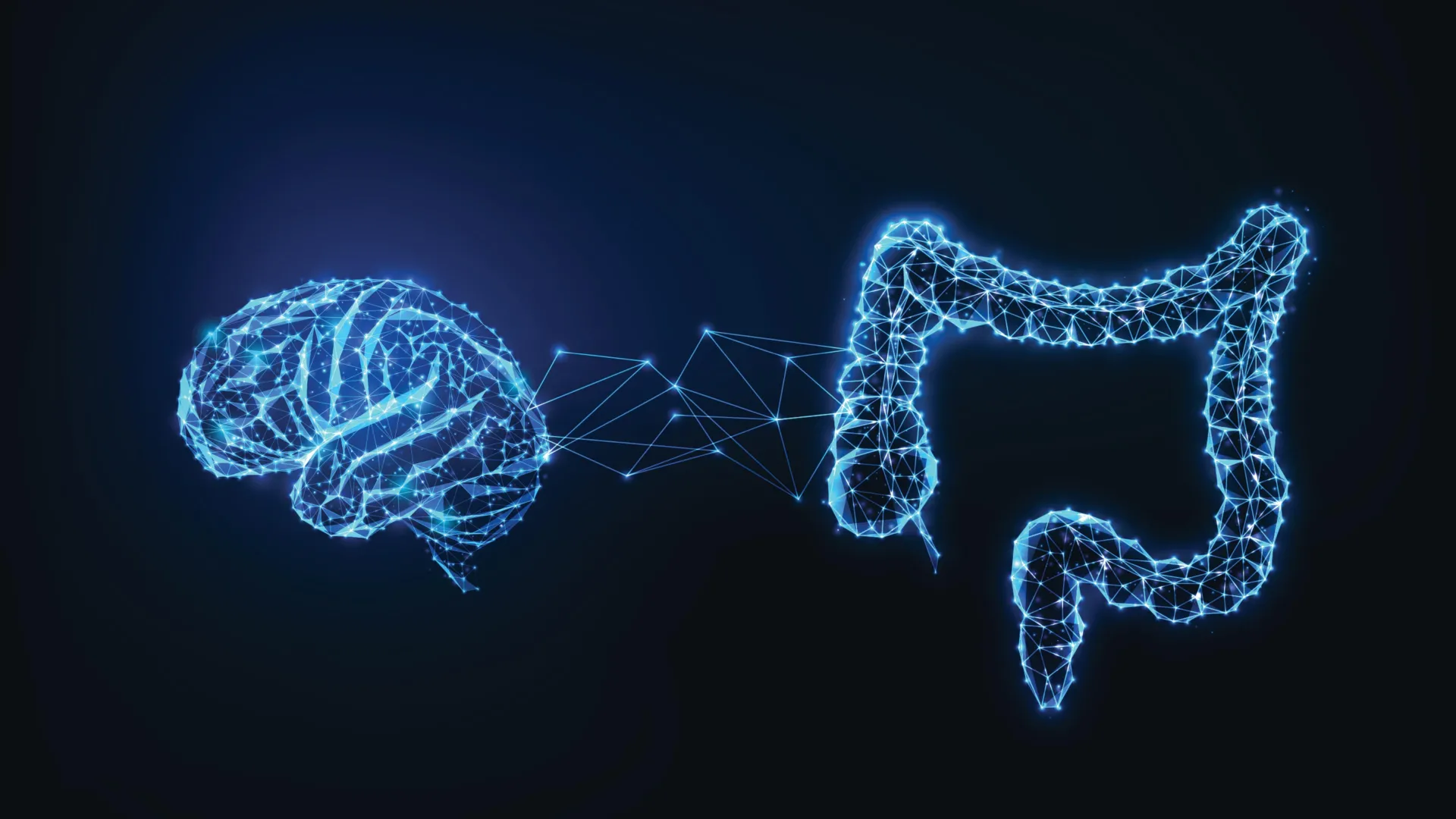
In the complex theater of human biology, the gut-brain axis has long been recognized as a critical communication highway, influencing everything from metabolic health to mood regulation. New research is now shedding light on a specialized, hidden circuit within this system that specifically dictates how the body manages protein intake. When systemic protein levels drop, this internal signaling mechanism appears to override other dietary impulses, effectively pushing the body to prioritize the consumption of essential amino acids over simpler carbohydrates like sugar.
This discovery of a gut-brain network specifically tuned to protein status could mark a significant shift in our approach to nutritional science and obesity management. By understanding how the gastrointestinal tract communicates specific nutrient deficiencies to the brain, researchers hope to decode the biological drivers of appetite and satiety with unprecedented precision. The findings suggest that the desire for protein is not merely a matter of willpower, but a sophisticated physiological response mediated by the enteric nervous system.
Decoding the Gut-Brain Signaling Mechanism
The gut microbiome—the diverse community of microorganisms residing in the intestines—plays a central role in how we process nutrients and interact with our environment. According to the National Institutes of Health, the gut-brain axis is a bidirectional communication network that integrates neural, endocrine, and immune signals to maintain homeostatic balance. This system is responsible for the finely tuned orchestration of food intake, where both internal physiological needs and external hedonic rewards compete for dominance.
When the body identifies a deficit in essential amino acids—the building blocks of protein—it triggers a signal from the gut to the brain. This signal appears to reshape the brain’s reward-processing centers, shifting the individual’s preference away from readily available energy sources like sugar and toward protein-rich foods. This mechanism is essential for survival, as protein is a critical macronutrient required for tissue repair, enzyme production, and immune function. The journal Gut frequently highlights such clinical research regarding the alimentary tract, emphasizing that these biological signals are foundational to our overall nutritional status.
Implications for Public Health and Obesity
The implications of this discovery for public health are profound, particularly in the context of the global obesity epidemic. If the gut-brain axis can be manipulated or better understood, clinicians may eventually be able to intervene in cases of disordered eating or metabolic dysfunction. Currently, modern dietary habits—often characterized by high intake of processed foods—may be inadvertently disrupting these delicate signaling pathways. As noted by health authorities, factors such as high stress, sleep deprivation, and a diet high in processed sugars can negatively impact the gut microbiome, potentially clouding the body’s natural ability to signal its true nutritional requirements.
Understanding this “protein-seeking” circuit offers a new lens through which to view dietary cravings. Rather than viewing cravings as a failure of discipline, this research suggests they are often the result of an active, biological effort by the body to restore nutrient balance. Future therapeutic approaches might focus on supporting the gut-brain axis to ensure that these signals remain clear and responsive, helping individuals maintain a more balanced intake of macronutrients.
Managing Gut Health for Better Signaling
While this newly identified circuit is a focus of ongoing research, maintaining general gut health remains a cornerstone of preventive medicine. A healthy gut is characterized by a high diversity of microbial strains, which supports the efficient processing of food and the proper signaling of hunger and satiety. Clinical guidance suggests that incorporating fermented foods, maintaining adequate hydration, and managing systemic stress are effective strategies for supporting the microbiome.
For individuals experiencing persistent digestive disturbances—such as bloating, gas, or irregular bowel movements—it is essential to consult with a medical professional. These symptoms can be indicators of underlying issues that may interfere with the gut-brain axis, including inflammatory conditions or metabolic shifts. A clinical evaluation can help rule out secondary causes and ensure that the body’s internal communication systems are functioning as intended.
What Happens Next
As scientists continue to map the neural pathways involved in this gut-brain protein circuit, the focus will likely shift to identifying the specific sensors in the gut that detect amino acid levels. Further studies are expected to explore how these signals are transmitted to the brain’s hypothalamus and reward circuits, and whether these pathways can be modulated through targeted nutritional interventions or pharmacological therapies.
We will continue to monitor peer-reviewed publications and clinical trials for updates on how this research translates into human health guidelines. If you have questions about your own nutritional health or are experiencing persistent changes in appetite or digestive patterns, we encourage you to discuss these concerns with your primary care physician during your next wellness visit. We invite our readers to join the conversation below and share their thoughts on how advancements in gut-brain research might influence future dietary habits.
Keep reading