
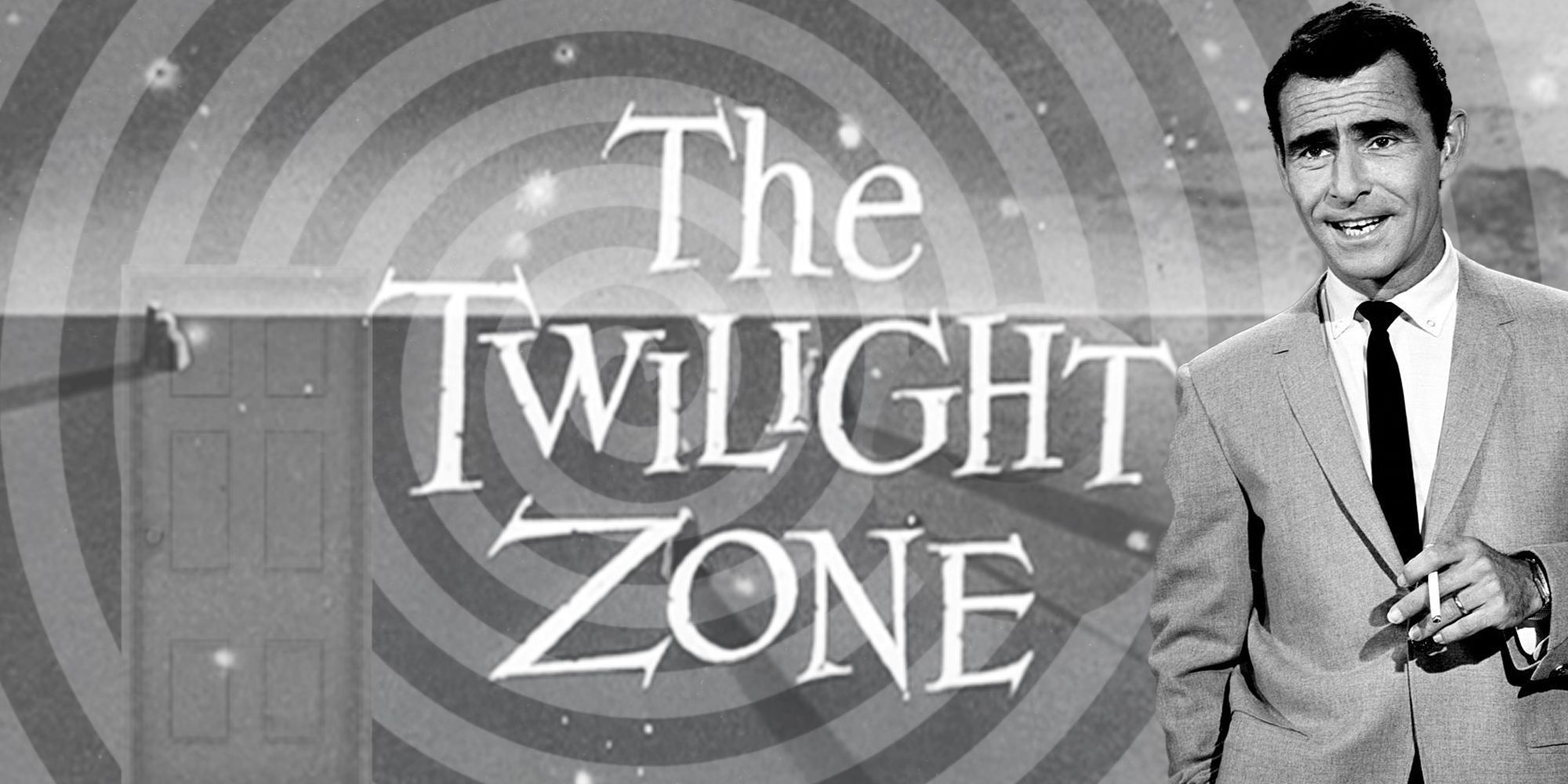
There is a specific kind of tension that only a master storyteller can conjure—a sense that the floor beneath your feet is not as solid as it seems, and that the shadows in the corner of the room might just be reaching back. For decades, that feeling has been synonymous with one name: Rod Serling. As an editor who has spent over 15 years covering the intersection of Hollywood and pop culture, I have seen many trends come and go, but few legacies are as enduring as the surreal, unsettling, and profoundly human world of The Twilight Zone.
While the series is celebrated as a cornerstone of science fiction, horror, and fantasy, its influence extends far beyond the small screen. It didn’t just change how we viewed television; it seeped into the very DNA of visual storytelling. Most notably, the show’s unique brand of psychological suspense and narrative-driven mystery helped pave the way for the visual revolution of the 1980s, specifically inspiring the high-concept, cinematic music videos that would come to define an entire decade of pop culture.
To understand how a mid-century anthology series could influence the neon-soaked era of MTV, we first have to understand the “strange arithmetic” of the man who built it. Rod Serling was not just a creator; he was a subversive force in an era of television that was often terrified of its own shadow.
The Architect of the Uncanny: Rod Serling’s Subversive Legacy
When The Twilight Zone debuted on CBS, running from 1959 to 1964, it entered a television landscape governed by a very specific set of rules. During the “three-network age,” programming was often designed around the concept of the “Least Objectionable Program.” As James Poniewozik, the chief television critic for The New York Times, has noted, the goal of many networks was to produce content that was essentially inoffensive—shows that didn’t make viewers want to turn the television off. In many ways, the industry was playing it safe, avoiding controversy to protect sponsor interests.
Rod Serling, however, refused to play by those rules. He understood that the most effective way to challenge the status quo was to disguise the message within the fantastic. By utilizing the tropes of science fiction and the supernatural, Serling was able to bypass corporate censors and address the most pressing and controversial social issues of the time. He used the “terror of aliens” to stand in for the very real fears of McCarthyism, the pressures of American conformity, and the pervasive fear of “The Other.”
This ability to use the uncanny to explore the human condition is what elevated The Twilight Zone from a mere genre show to a piece of social commentary. While the network executives might not have fully grasped the depth of his subversion, Serling was successfully using UFOs and extraterrestrial encounters to force audiences to look in the mirror.
Interestingly, despite its current status as a cultural titan, the show was not an immediate, runaway sensation. In a 1970 interview, Serling offered a candid look at the show’s early performance, describing its success through what he called the “strange arithmetic of television, which is very close to insanity.” He noted that in its best run, The Twilight Zone achieved roughly a 31-32 share. In the context of television history, Serling himself described this as a “mild success”—not quite the juggernaut of a show like Gunsmoke, but enough to secure its place in the zeitgeist.
The show’s anthology format also served as a massive launchpad for talent. It was a playground for future icons, featuring early performances from stars who would go on to define Hollywood, including Robert Redford, Robert Duvall, Carol Burnett, and William Shatner.
From the Small Screen to the Music Video Revolution
As the decades progressed, the storytelling techniques pioneered by Serling—the leisurely build of dread, the unexpected narrative twist, and the use of a central “host” or narrator to frame a story—began to find a new home. By the 1980s, the music video had evolved from simple promotional clips into a sophisticated art form capable of short-form cinematic storytelling.
The 1980s were defined by a fascination with the surreal and the cinematic. The rise of MTV meant that artists were no longer just looking for a way to show their faces; they were looking for ways to build worlds. This era saw the birth of the “concept video,” where the music served as the heartbeat to a larger, often strange, visual narrative. It is here that we see the direct lineage of The Twilight Zone.
The show’s influence can be seen in two distinct ways: through thematic atmosphere and through structural homage. On one hand, you have the “paranoia pop” of the era—videos that captured the existential dread and the feeling of being watched, a direct echo of Serling’s most psychological episodes. On the other, you have the direct nods to the show’s aesthetic, where artists explicitly drew upon the “Twilight Zone” vibe to create something legendary.
One of the most prominent examples of this cultural crossover is the 1982 hit “Twilight Zone” by the band Golden Earring. The song and its accompanying visual identity leaned heavily into the atmosphere of the series, proving that Serling’s brand of mystery had become a shorthand for a specific kind of cool, unsettling intrigue. But the influence went even deeper than direct references.
The “Serling Style”—the idea of a narrator guiding the viewer through a descent into the bizarre—became a blueprint for the most legendary music videos of the decade. When we look at the most iconic, narrative-driven videos of the 80s, such as Michael Jackson’s “Thriller,” we see the culmination of this evolution. While “Thriller” is a masterpiece of horror-pop, its DNA is inextricably linked to the anthology-style storytelling and the “horror host” archetype that Serling and his contemporaries popularized. The transition from a television host explaining the “fifth dimension” to a cinematic narrator setting the stage for a supernatural transformation was a natural progression in the evolution of visual media.
The Lasting Impact of the “Serling Effect”
Why does this connection matter? It matters because it highlights how much the boundaries of genre are constantly being pushed. Rod Serling proved that you could talk about the most difficult parts of being human by talking about the stars. The artists of the 1980s took that lesson to heart, using the burgeoning medium of the music video to explore identity, fear, and fantasy on a global stage.
Today, we see this legacy continuing in everything from high-budget streaming series to the visual language of modern music. The “Twilight Zone” is no longer just a show; it is a way of seeing the world—a reminder that beneath the surface of the everyday, there is always something more complex, more mysterious, and perhaps a little more strange.
Key Takeaways: The Legacy of Rod Serling
- Subversive Storytelling: Serling used science fiction and horror as a “mask” to address social issues like McCarthyism, and conformity.
- The Anthology Format: The Twilight Zone helped pioneer the idea of self-contained, high-concept narratives that could star a rotating cast of talent.
- Cultural Influence: The show’s “narrative-first” and “suspense-driven” approach directly influenced the cinematic music video boom of the 1980s.
- Enduring Appeal: Despite being a “mild success” in its original run, the show’s themes of existential dread and the uncanny remain universally resonant.
As we continue to see new iterations of The Twilight Zone and new artists pushing the boundaries of visual storytelling, one thing remains certain: the shadows are always moving. We will continue to monitor how modern creators continue to draw from this well of psychological suspense.
What is your favorite “Twilight Zone” moment or 80s music video that left you feeling unsettled? Let us know in the comments below and share this article with your fellow pop culture enthusiasts!
Worth a look