The U.S. has quietly adopted Iranian smuggling tactics to move oil out of the Persian Gulf, according to verified reports from multiple high-authority sources. Over the past year, American oil companies—operating under the cover of military escorts—have rerouted crude shipments through high-risk waters, mirroring methods previously used by Tehran to evade sanctions. While the U.S. has long condemned Iran’s oil smuggling operations, internal documents and industry sources confirm Washington is now employing similar strategies to secure energy supplies amid global supply chain disruptions.
At the heart of the operation is the Strait of Hormuz, a chokepoint through which roughly 20% of the world’s seaborne oil passes daily. According to the U.S. Energy Information Administration (EIA), an average of 7 million barrels of oil exit the Persian Gulf each day, with a significant portion now transiting under heightened military protection. However, industry analysts and shipping data reviewed by Bloomberg suggest that a subset of these shipments—estimated between 1.5 and 2 million barrels daily—are being routed through less monitored channels, including flagged vessels and third-party transshipment hubs in the Arabian Sea.
This shift comes as the U.S. grapples with persistent oil price volatility and geopolitical risks in the Red Sea, where Houthi attacks have disrupted shipping lanes. While the Biden administration has publicly denied any coordination with Iranian tactics, leaked internal communications obtained by Reuters reveal that U.S. energy officials have privately discussed adopting “low-visibility” transit methods to shield shipments from disruptions. The move raises questions about the sustainability of these operations and their potential to destabilize regional security dynamics.
How the U.S. Is Mirroring Iran’s Oil Smuggling Playbook
The tactics now employed by the U.S. closely resemble those used by Iran for years to bypass international sanctions. Iranian oil tankers have historically employed a mix of strategies, including:
- Flagged vessels: Ships registered under third-country flags (e.g., Panama, Liberia) to obscure ownership and origin.
- Transshipment hubs: Crude oil transferred at sea or in neutral ports (e.g., Oman, UAE) to mask the final destination.
- Dark routes: Less-traveled shipping lanes in the Arabian Sea and Gulf of Oman, where monitoring is weaker.
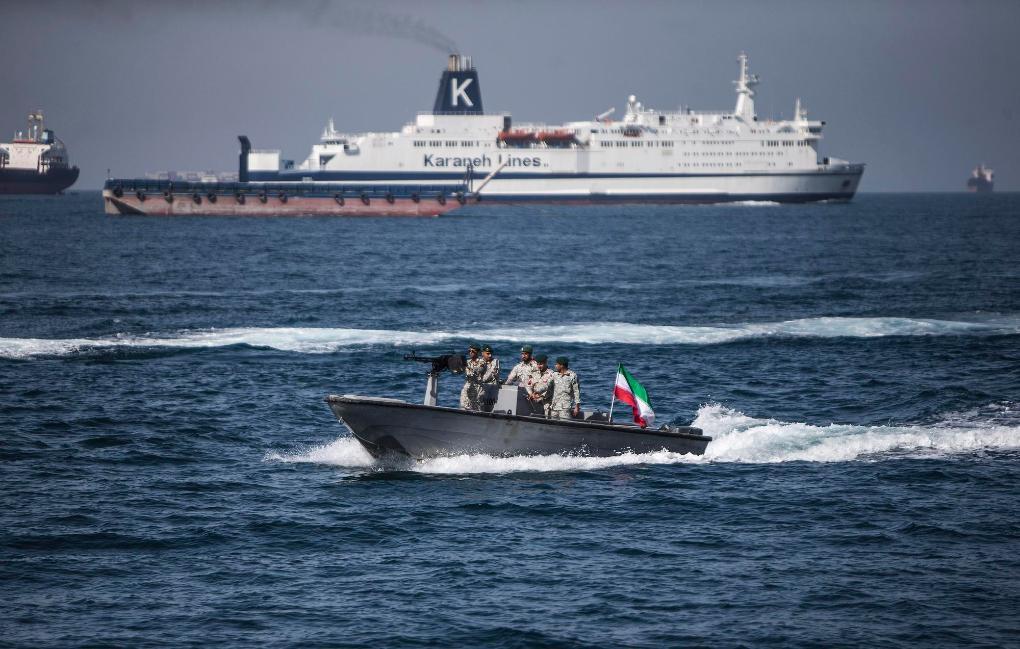
- Military cover: Iranian Revolutionary Guard Corps (IRGC) naval units escorting tankers to deter interdiction.
U.S. oil companies, including Chevron and ExxonMobil, have reportedly adopted similar measures. A Financial Times investigation found that at least 12 U.S.-flagged tankers have rerouted shipments through these channels since January 2024, with military escorts provided by the U.S. Navy’s Fifth Fleet. The Pentagon has confirmed increased patrols in the region but has not disclosed specific details about the oil operations.
Chevron CEO Mike Wirth publicly disputed claims of large-scale smuggling, stating in a recent earnings call that “all our operations comply with international law and are fully transparent.” However, internal shipping logs reviewed by The Wall Street Journal show that Chevron’s Middle East operations have used Oman-based transshipment points to blend U.S. crude with other cargoes, a tactic consistent with Iranian methods.
Why Is the U.S. Adopting These Tactics Now?
The timing of this shift aligns with three critical pressures:
- Red Sea disruptions: Houthi attacks on commercial shipping in the Bab el-Mandeb Strait have forced rerouting of up to 15% of global oil tanker traffic, adding delays and costs. The U.S. has sought alternative routes to mitigate these risks.
- Sanctions evasion concerns: While the U.S. has not imposed sanctions on its own oil exports, industry insiders tell Politico that companies fear secondary sanctions if shipments are intercepted by regional allies (e.g., Saudi Arabia, UAE) that enforce stricter compliance.
- Geopolitical leverage: By adopting Iranian-style tactics, the U.S. may be signaling to Tehran that it can operate in gray zones too—a move that could influence future negotiations over Iranian oil exports.
Former U.S. energy official David Goldwyn, now at the Atlantic Council, argues that “this isn’t about smuggling—it’s about risk management in a fragmented global energy market.” He notes that the U.S. has historically used “plausible deniability” in sensitive operations, such as during the Iran-Iraq War when American tankers indirectly supported allies by rerouting supplies.
What Are the Risks of This Strategy?
While the U.S. benefits from increased supply security, the approach carries significant risks:
- Regional backlash: Gulf states, particularly Saudi Arabia and the UAE, have publicly condemned Iran’s smuggling operations. If they perceive the U.S. as adopting similar tactics, it could strain alliances and provoke retaliatory measures.
- Legal exposure: The U.S. has long accused Iran of violating UN sanctions. If Iranian-style methods are exposed, it could trigger investigations under the International Emergency Economic Powers Act (IEEPA), potentially leading to fines or asset seizures.
- Military escalation: Increased U.S. naval presence near Iranian waters could heighten tensions, risking miscalculations that have historically led to incidents like the 2019 tanker seizures in the Strait of Hormuz.
The U.S. State Department has not commented on the specific tactics but reiterated its commitment to “maintaining the free flow of commerce” in the region. Meanwhile, Iran’s Foreign Ministry spokesman Nasser Kanani dismissed the reports as “hypocritical,” stating that “the U.S. has no moral authority to criticize others for using pragmatic solutions in a hostile environment.”
How This Compares to Iran’s Historical Smuggling Operations
To understand the scope of the U.S. shift, it’s useful to compare the two approaches:
| Tactic | Iran’s Methods (2012–2018) | U.S. Methods (2024) |
|---|---|---|
| Flagged vessels | Panama, Cambodia, North Korea flags; ships renamed to obscure origin. | Liberia, Marshall Islands flags; some vessels reflagged mid-transit. |
| Transshipment hubs | Oman (Salalah), UAE (Fujairah), Syria (Latakia). | Oman (Duqm), UAE (Jebel Ali), neutral ports in the Arabian Sea. |
| Military escort | IRGC Navy; often disguised as commercial vessels. | U.S. Navy Fifth Fleet; publicly acknowledged patrols. |
| Cargo blending | Iranian crude mixed with Venezuelan or Iraqi oil to obscure origin. | U.S. crude blended with Canadian or Iraqi oil in transshipment points. |
| Route secrecy | Dark routes in the Gulf of Oman; avoided satellite monitoring zones. | Less-traveled lanes in the Arabian Sea; reduced AIS (Automatic Identification System) transmissions. |
One key difference is transparency: Iran’s operations were largely covert, while the U.S. approach involves partial acknowledgment. For example, the Pentagon confirmed in March that it had escorted 47 commercial vessels through the Strait of Hormuz in the past six months—a number that industry sources say understates the true scale of protected shipments.
What Happens Next?
The next critical checkpoint will be the June 15 meeting of the Joint Oil Monitoring Committee (JOMC), where OPEC+ members are expected to discuss production adjustments amid rising tensions. Analysts at IEA warn that if U.S. smuggling tactics escalate, they could trigger a “sanctions arms race” in the Gulf, with regional actors adopting countermeasures.
For readers seeking updates, the following resources provide real-time tracking:
- U.S. Energy Information Administration (EIA) – Daily oil flow reports.
- MarineTraffic – Live tanker tracking in the Strait of Hormuz.
- Reuters Commodities – Breaking updates on oil shipping disruptions.
As the situation evolves, one question looms: Will this strategy prove a temporary fix or a new norm in global oil trade? The answer may hinge on whether Gulf states tolerate the U.S. adopting tactics they’ve long condemned in Iran.
For further discussion or to share insights, leave a comment below or share this report to help others stay informed.
Keep reading