
As the United Kingdom navigates the post-Brexit landscape, the British government is actively seeking to recalibrate its relationship with the European Union. Following the election of a Labour government last year, officials have signaled a clear intent to move beyond the friction of previous years toward a more structured and cooperative partnership. This shift represents a significant evolution in British foreign policy, aiming to establish regular, stable interactions with EU institutions after years of post-referendum volatility.
The current administration, led by Sir Keir Starmer, has framed this new direction as a necessary step to address the economic and security challenges facing the continent. By pursuing what the government describes in its manifesto as an “improved and ambitious relationship with our European partners,” London is signaling that the era of isolationist rhetoric is being replaced by a pragmatic, albeit complex, diplomatic strategy. This process is not a formal re-entry, but rather a deliberate effort to foster closer integration in areas of mutual interest, such as security, energy, and trade.
For those tracking the trajectory of Britain’s role in Europe, this represents a pivotal chapter. The evolving UK-EU relationship is no longer defined solely by the legacy of the 2016 referendum, but by the contemporary necessities of a changing geopolitical environment. As international observers note, the focus has shifted from the mechanics of separation to the practicalities of future cooperation.
The Shift Toward Renewed Engagement
The diplomatic pivot was underscored by a significant gathering at Lancaster House in London earlier this month. The meeting, hosted by Foreign Secretary David Lammy, served as a venue for high-level discussions on European security and the ongoing conflict in Ukraine. The historic setting—a site synonymous with Britain’s long-standing diplomatic ties to the continent—provided a symbolic backdrop for the government’s push to restore regular dialogue with its European counterparts. According to reporting by the BBC, this engagement marks a departure from the post-Brexit period, during which high-level summits between UK leaders and EU institutions became infrequent.
Before the UK’s departure from the European Union, British prime ministers routinely engaged in quarterly summits in Brussels to negotiate with the heads of EU institutions and the leaders of the 27 member states. These sessions were characterized by intense, late-night haggling—a hallmark of the pre-Brexit diplomatic rhythm. The current Labour government’s goal is to re-establish these regular interactions, viewing them as essential for maintaining a stable and productive partnership. The first of these new summits, aimed at launching this renewed framework, was scheduled for May 19, 2025.
Addressing the Post-Brexit Reality
The debate surrounding Britain’s future relationship with the EU remains a central theme in domestic political discourse. While the government emphasizes the need for an “ambitious” new chapter, the legacy of the Brexit deal continues to be a subject of intense scrutiny. Prime Minister Keir Starmer has acknowledged the complexities introduced by the original withdrawal agreements, noting that the initial deal had a negative impact on the UK’s economic position. This recognition has prompted calls from various political factions to address the structural issues that have persisted since the transition period ended.
The challenge for the current administration is to balance the domestic political sensitivities surrounding Brexit with the economic reality that many British industries face. As the government explores new ways to align with European standards and regulatory frameworks, it must navigate the expectations of a public that remains divided on the long-term impact of the UK’s exit. The focus on “entbrexitisation”—or the gradual unravelling of the more restrictive aspects of the Brexit deal—is viewed by some analysts as a pragmatic response to the economic stagnation that has followed the vote.
What Comes Next for UK-EU Ties
Looking ahead, the nature of the UK-EU partnership will likely be defined by a series of sector-specific agreements rather than a comprehensive overhaul of the existing withdrawal treaties. Officials in London and Brussels are expected to prioritize cooperation on security, energy, and research, where the benefits of alignment are most immediate. This incremental approach allows both sides to deepen their cooperation without reopening the fundamental constitutional questions that dominated the initial Brexit negotiations.
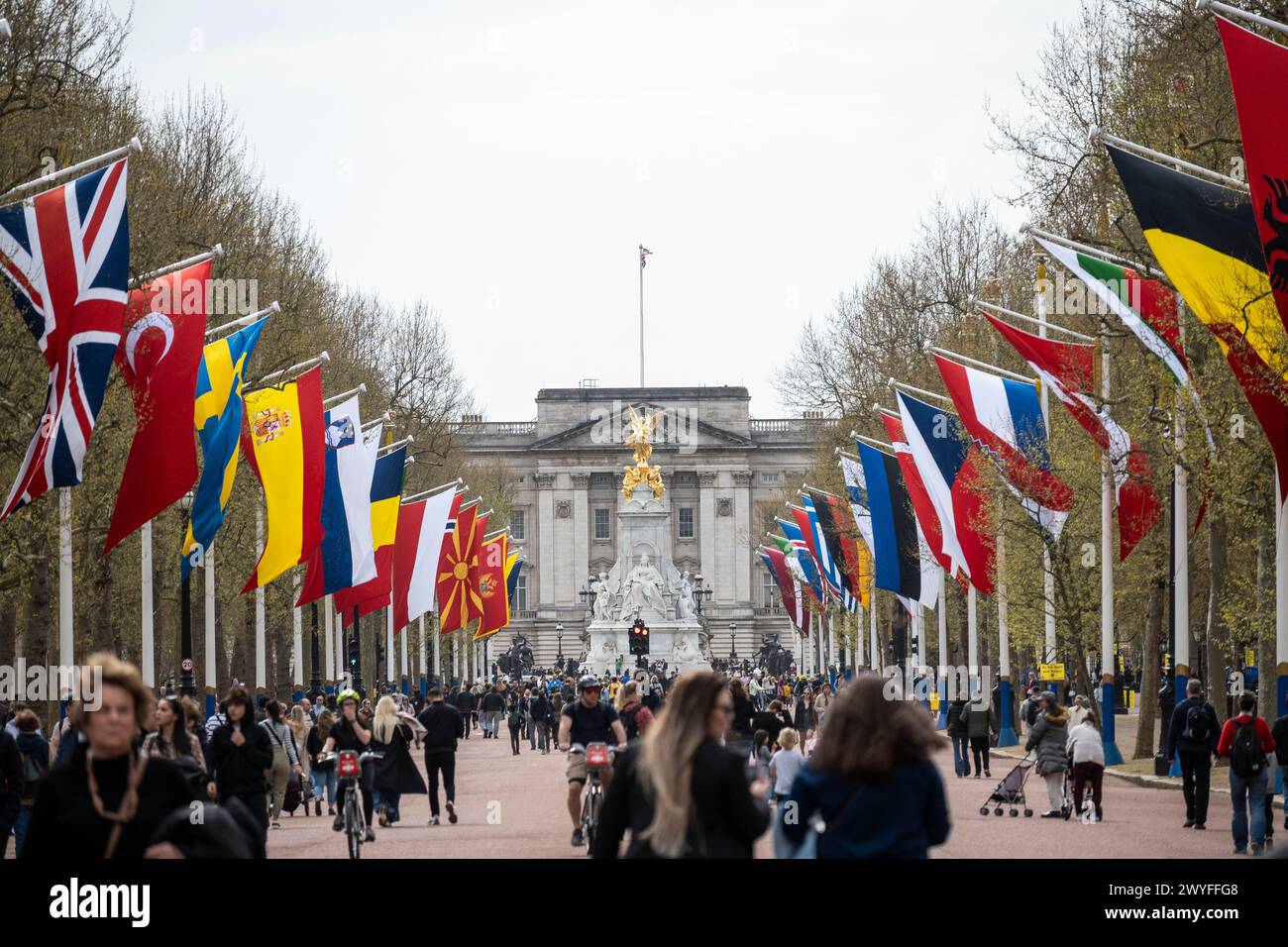
The next major checkpoint for this diplomatic thaw will be the follow-up meetings scheduled in the wake of the inaugural May 2025 summit. These sessions are expected to provide a clearer picture of how the “partnership” will function in practice and whether it can deliver the stability that businesses and citizens alike are seeking. As the situation develops, the international community will be watching to see if the UK can successfully carve out a new role that balances its post-Brexit sovereignty with the necessity of being a key player in European affairs.
We invite our readers to join the conversation. As the UK and EU redefine their relationship, how do you see this impacting the broader European security architecture? Share your thoughts in the comments section below.