
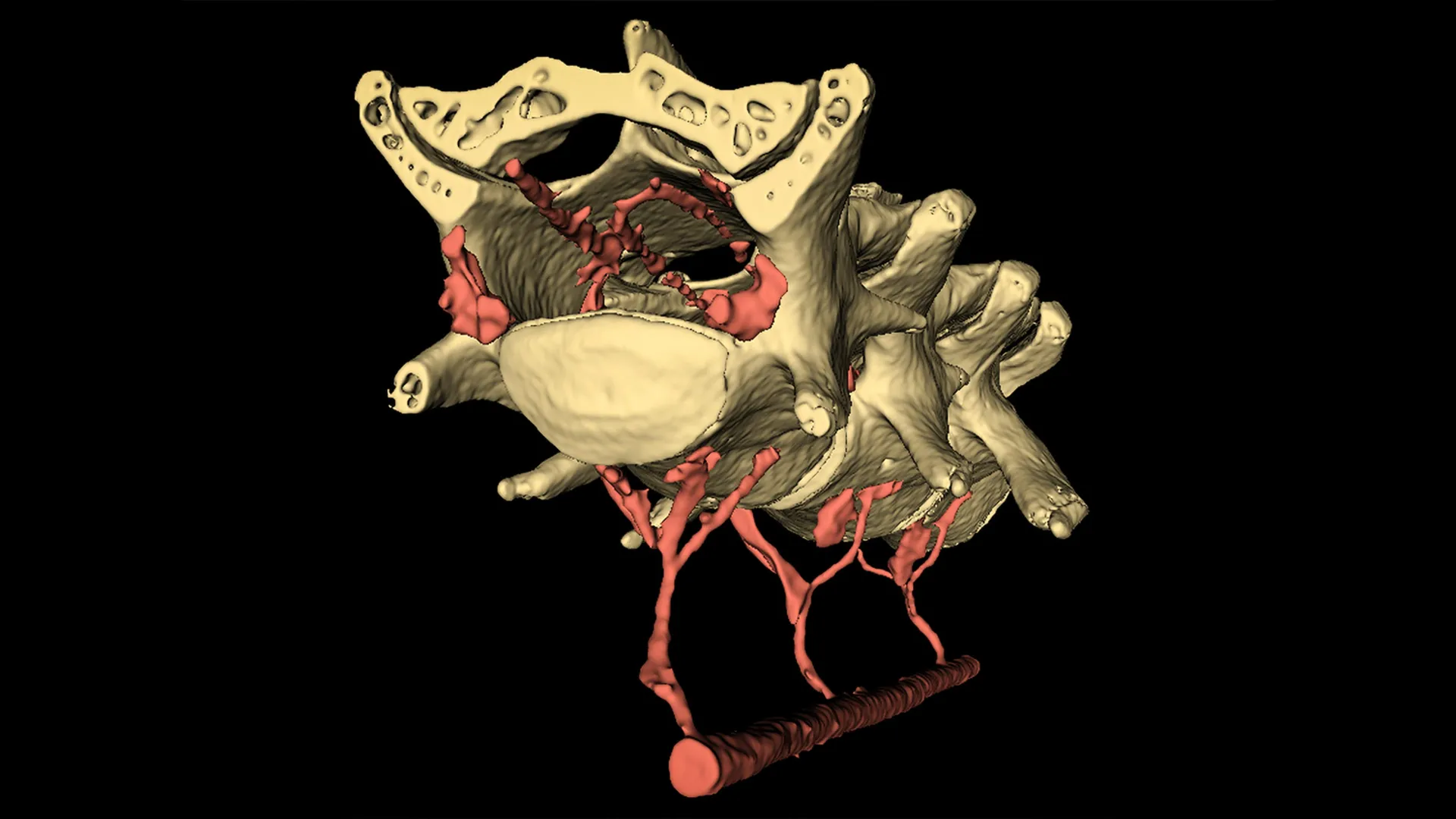
The long-standing medical consensus that physical exercise benefits cognitive health has always had a clear link to cardiovascular improvement and oxygenation. However, new research suggests a far more literal, mechanical connection between our core muscles and our minds. Scientists have discovered that the simple act of tightening abdominal muscles can trigger a gentle swaying of the brain within the skull, a process that may act as a hydraulic “rinse” to clear out neural waste.
This discovery, published on April 27, 2026, in Nature Neuroscience, reveals that the brain is more mechanically coupled to the rest of the body than previously understood. By utilizing advanced imaging and computer simulations, researchers identified a biological mechanism where abdominal contractions act as a pump, driving the circulation of cerebrospinal fluid (CSF) to maintain brain health.
The study suggests that this “hydraulic brain” effect occurs during everyday movements—such as the slight bracing of the core before taking a step or sitting up—potentially providing a continuous, passive cleaning system that operates throughout a person’s waking hours.
The Hydraulic Link: How Abdominal Pressure Moves the Brain
At the center of this discovery is the vertebral venous plexus
, a sophisticated network of veins that serves as a mechanical bridge between the abdominal cavity and the spinal cavity. According to the research team, when abdominal muscles contract, they compress these blood vessels, pushing blood from the abdomen toward the spinal cord.

This shift in pressure creates a hydraulic effect, applying a subtle force to the brain and causing it to shift slightly within the cranium. This motion is not a jarring movement but a gentle sway that facilitates the flow of cerebrospinal fluid over the brain’s surface and through its tissues.
“In this study, we found that when the abdominal muscles contract, they push blood from the abdomen into the spinal cord, just like in a hydraulic system, applying pressure to the brain and making it move.” Patrick Drew, professor of engineering science and mechanics, neurosurgery, biology, and biomedical engineering at Penn State
The circulation of CSF is critical because it is thought to be the primary method for removing metabolic waste and toxins from the central nervous system. When this “cleaning” process is inefficient, the accumulation of neural waste is often linked to the development of neurodegenerative disorders.
Visualizing the ‘Rinse’: High-Resolution Imaging Results
To prove this phenomenon, researchers at Penn State employed two cutting-edge imaging technologies to observe the process in real-time using mouse models. The team used two-photon microscopy
for high-definition imaging of living tissue and microcomputed tomography (microCT)
for high-resolution 3D examinations of whole organs.
The imaging revealed a precise sequence of events: the brain shifted in the moments immediately following the tightening of the abdominal muscles, but just before the animal actually began to move its limbs. This confirmed that the brain’s movement was a result of the internal pressure change rather than the external momentum of the body moving through space.
To further isolate the cause, the scientists performed a controlled experiment on lightly anesthetized mice. They applied gentle mechanical pressure to the abdomens—a level of pressure lower than what a human experiences during a standard blood pressure cuff test. Even without any other body movement, the mice’s brains shifted. Once the abdominal pressure was released, the brain immediately returned to its baseline position, confirming that abdominal pressure alone can rapidly alter the brain’s position within the skull.
Why This Matters for Long-Term Brain Health
For decades, the “glymphatic system”—the brain’s waste clearance system—was primarily associated with sleep. It is well-documented that the brain flushes toxins more effectively during deep sleep when the space between neurons increases. However, the Penn State findings suggest that a parallel, movement-driven cleaning mechanism exists during waking hours.
This research provides a potential biological explanation for why consistent physical activity is so strongly correlated with a lower risk of cognitive decline. By engaging the core and moving the body, individuals may be actively facilitating the removal of harmful proteins and waste products that could otherwise lead to cognitive impairment.
As a physician and journalist, I find this particularly compelling because it shifts the narrative of “exercise for the brain” from purely chemical (endorphins and oxygen) to mechanical. It suggests that the physical architecture of our bodies is designed to use movement as a tool for neurological maintenance.
Key Takeaways on the ‘Hydraulic Brain’ Discovery
- Mechanical Connection: The vertebral venous plexus connects the abdomen to the brain, allowing pressure to travel between the two.
- The ‘Pump’ Effect: Abdominal contractions act as a hydraulic pump, pushing blood and fluid that causes the brain to sway.
- Waste Clearance: This swaying motion helps cerebrospinal fluid (CSF) circulate, potentially flushing out neural waste.
- Waking Maintenance: While the brain cleanses during sleep, this mechanism allows for a “rinse” during daily activity.
- Exercise Link: The findings provide a mechanical reason why physical movement supports the prevention of neurodegenerative diseases.
What Happens Next?
While the study provides robust evidence in mouse models and computer simulations, the next phase of research will likely focus on confirming these exact movements in human subjects using advanced MRI techniques. Researchers aim to determine if the scale and impact of this hydraulic effect are identical in humans and whether specific types of core-engaging exercises provide a more efficient “cleaning” effect than others.
The research team, led by Penn State’s Patrick Drew, continues to explore how other physiological factors, such as neuron loss and aging, might alter this hydraulic system and whether targeted physical therapies could be used to enhance waste clearance in patients with early-stage dementia or Alzheimer’s.
We want to hear from you. Does this discovery change how you view your daily exercise routine? Share your thoughts in the comments below or share this article with your community to spread the word on the latest in brain health innovation.