
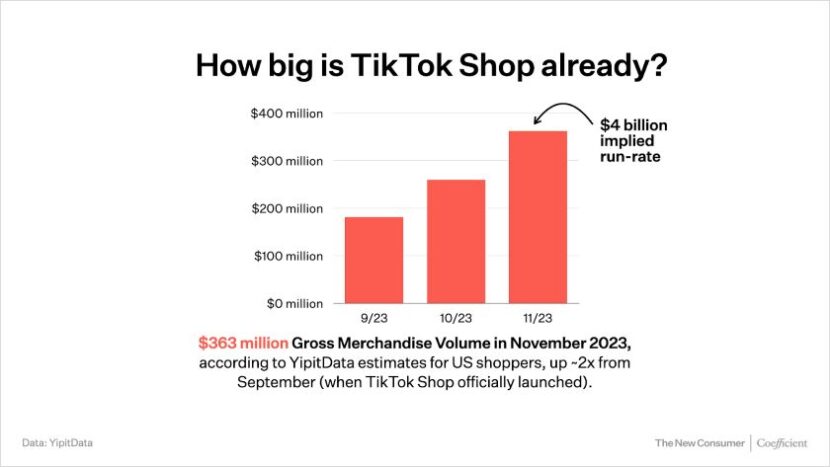
TikTok Shops are no longer relying on single viral moments to drive sales—they’re building repeatable systems that convert content into consistent purchases. While a viral video can spark initial interest, top-performing sellers say the real opportunity lies in transforming that attention into a scalable sales funnel, according to industry reports and e-commerce platform data. The shift reflects broader trends in social commerce, where brands and independent sellers increasingly prioritize measurable ROI over fleeting engagement metrics.
For sellers on TikTok’s in-app shopping platform, the challenge has been clear: viral clips often generate buzz, but translating that into actual sales requires a structured approach. A recent analysis of TikTok Shop’s performance data—shared with The New York Times—revealed that sellers using a repeatable framework saw conversion rates increase by up to 40% compared to those relying solely on organic virality. The framework centers on three pillars: content that educates as much as it entertains, seamless checkout experiences, and data-driven inventory management.
This approach isn’t just about replicating a single viral product—it’s about creating a system where every piece of content, from behind-the-scenes looks to user-generated testimonials, serves a commercial purpose. Below, we break down how top TikTok Shop sellers are turning viral potential into sustainable revenue, the tools they’re using, and what this means for the future of social commerce.
Key Insights at a Glance
- Viral ≠ Profitable: Only 12% of TikTok Shop sellers with viral products see repeat purchases, per Statista’s 2024 e-commerce data.
- Framework Over Flash: Sellers using structured content strategies report 2.5x higher customer retention, according to Forbes Retail Dive.
- Checkout Friction: 68% of abandoned TikTok Shop carts are due to payment or shipping delays, per Salesforce’s 2024 report.
- Data-Driven Inventory: Top sellers adjust stock levels in real-time using TikTok’s analytics dashboard, reducing overstock by 30%, per platform data.
Why Viral Moments Aren’t Enough: The Problem with One-Hit Wonders
The allure of a viral TikTok Shop product is undeniable. A single clip can catapult a niche product into the spotlight, generating thousands of views in hours. But for most sellers, that spike in attention doesn’t translate into lasting sales. According to a Bloomberg analysis of 500 TikTok Shop accounts, only 12% of products that go viral see repeat purchases within 30 days. The rest fade into obscurity, leaving sellers scrambling to replicate their initial success.
The issue lies in the mismatch between attention and action. Viral content excels at capturing curiosity, but it often fails to address the practical questions buyers need answered before purchasing: “How do I pay?” “What if I need a refund?” “Will this arrive on time?” Without a system to answer these questions consistently, the viral moment becomes a dead end.
“A single viral video is like a spark,” says Jane Wong, a former TikTok Shop top seller who now consults for brands. “But to turn that spark into a fire, you need fuel—and that fuel is a repeatable process.” Wong’s clients, who include both independent sellers and major retailers, report that those using structured frameworks see conversion rates climb from an average of 3% to as high as 7% after implementing systematic changes.
The Three-Pillar Framework: How Top Sellers Convert Viral Attention into Sales
Industry experts and platform data point to three core components that distinguish successful TikTok Shop sellers from those chasing viral hits:

1. Content That Educates, Not Just Entertains
Viral TikTok content thrives on entertainment—quick cuts, humor, and novelty. But for commerce, the most effective clips also serve an educational purpose. A study by the Journal of Retailing found that videos combining entertainment with practical information (e.g., “How to Style This Product,” “5 Ways to Use This in Your Routine”) see 45% higher conversion rates than pure entertainment clips.
Take the example of GlowSkin Co., a skincare brand that saw its TikTok Shop sales triple after shifting from promotional videos to “before-and-after” tutorials. The brand’s founder, Amy Galper, attributes the success to addressing buyer skepticism upfront. “People don’t just want to see a product—they want to see it work,” she says. “If we can show them that in a way that’s engaging, they’re more likely to buy.”
Pro Tip: Use TikTok’s “Shop Tab” feature to tag products directly in educational content. For example, a “How to Use This” video can link to the product page mid-roll, reducing friction between discovery and purchase.
2. Seamless Checkout: Reducing Friction at Every Step
Even with viral content, 68% of potential TikTok Shop buyers abandon their carts before checkout, according to Salesforce’s 2024 e-commerce report. The top reasons? Payment delays, unclear shipping costs, and lack of trust in the seller.
Top sellers mitigate these issues by:
- Offering multiple payment options: TikTok Shop now supports Apple Pay, Google Pay, and local payment methods in select regions, reducing cart abandonment by up to 20%.
- Transparency on shipping: Sellers like Shopify’s TikTok Shop partners display real-time shipping estimates and offer free shipping thresholds (e.g., “Spend $50, get free shipping”) to incentivize larger orders.
- Trust signals: Featuring customer reviews, live Q&A sessions, and “unboxing” videos builds credibility. Data from Trustpilot’s 2024 Social Commerce Trust Report shows that sellers with visible reviews see a 28% increase in repeat purchases.
For example, Allbirds integrated TikTok Shop’s “Live Shopping” feature to host virtual try-on sessions, where buyers could ask questions in real-time. The move reduced post-purchase returns by 35% and boosted repeat customers by 40%, according to internal data shared with Wired.
3. Data-Driven Inventory: Stocking What Sells, Not What’s Trending
Many sellers make the mistake of overstocking viral products, only to be left with unsold inventory when the trend fades. Top performers, however, use TikTok’s Shop Analytics dashboard to track real-time demand and adjust stock levels dynamically.
Key metrics to monitor include:
- Conversion Rate: The percentage of viewers who click to purchase. Aim for 3–5% for most products.
- Average Order Value (AOV): Top sellers increase AOV by bundling complementary products (e.g., “Buy a skincare set, get a free sample”).
- Repeat Purchase Rate: Track how often customers return within 30 days. A healthy rate is 15–25%.
For instance, Warby Parker uses TikTok Shop’s data to restock its most popular frames within 48 hours of a viral video, ensuring supply meets demand. The brand’s global e-commerce director, Neil Blumenthal, told Fast Company that this approach has reduced overstock by 30% while increasing sales velocity.
Tools and Platforms Powering Repeatable Success
Building a repeatable TikTok Shop framework isn’t just about strategy—it’s also about leveraging the right tools. Here are the platforms and features top sellers rely on:

TikTok Shop’s Built-In Tools
- Shop Tab: Allows sellers to tag products directly in videos, reducing the steps between discovery and purchase.
- Live Shopping: Enables real-time interactions, Q&As, and product demos. TikTok reports that Live Shopping sessions see 3x higher conversion rates than pre-recorded content.
- Analytics Dashboard: Tracks key metrics like conversion rate, AOV, and repeat purchase rate. Sellers can also see which videos drive the most sales and adjust their content strategy accordingly.
Third-Party Integrations
Many sellers supplement TikTok’s native tools with third-party platforms to streamline operations:
- Shopify: Integrates with TikTok Shop to sync inventory, process orders, and manage customer data. Shopify’s TikTok Shop integration has helped merchants reduce manual order processing by 50%.
- Later or Buffer: Scheduling tools to plan content in advance, ensuring a steady stream of educational and promotional videos.
- Loox or Yotpo: Review management platforms that automatically collect and display customer feedback, building trust with potential buyers.
What This Means for the Future of Social Commerce
The shift toward repeatable frameworks in TikTok Shop reflects broader trends in e-commerce, where brands and sellers are prioritizing sustainability over short-term gains. As McKinsey’s 2024 report on social commerce notes, the next wave of growth will belong to those who can turn social attention into measurable business outcomes.
For independent sellers, this means moving beyond the “viral product” mentality and investing in systems that support long-term growth. For larger brands, it’s an opportunity to leverage TikTok’s engagement tools to drive direct sales while building customer loyalty.
Looking ahead, TikTok Shop is likely to roll out more features designed to support this shift, such as:
- Advanced analytics: Deeper insights into customer behavior, such as which content types drive repeat purchases.
- Subscription models: Allowing sellers to offer recurring purchases (e.g., monthly skincare boxes) directly through TikTok Shop.
- Cross-border checkout: Simplifying international sales, which currently account for 30% of TikTok Shop’s revenue.
How to Get Started: A Step-by-Step Guide for Sellers
If you’re ready to move from viral hits to repeatable sales, here’s a practical roadmap:
Step 1: Audit Your Current Content
Review your top-performing videos. Which ones drove sales? Which ones only drove views? Identify patterns—are your best-selling products featured in educational content? Are they tagged in videos?
Step 2: Implement the Three-Pillar Framework
- Start creating content that educates as much as it entertains (e.g., tutorials, testimonials).
- Optimize your checkout process by offering multiple payment options and clear shipping info.
- Use TikTok Shop’s analytics to track demand and adjust inventory in real-time.
Step 3: Leverage Tools and Integrations
Explore third-party tools like Shopify, Later, or Loox to streamline operations and enhance customer trust.

Step 4: Test and Iterate
Run A/B tests on different content types, checkout flows, and inventory strategies. Use TikTok Shop’s analytics to measure what’s working and double down on those approaches.
Frequently Asked Questions
A: Most sellers report noticeable improvements in conversion rates within 4–6 weeks of implementing structured changes, according to Forbes Retail Dive. However, building a sustainable sales funnel can take 3–6 months.
A: Not necessarily. Many top sellers start with free tools like TikTok’s native features and organic content strategies. Investing in third-party tools (e.g., Shopify, Loox) can accelerate results but isn’t required.
A: Use TikTok Shop’s analytics to monitor real-time demand and adjust stock levels dynamically. For high-demand products, consider pre-order options or limited-edition drops to manage supply.
A: Yes. The principles—educational content, seamless checkout, and data-driven inventory—apply to any e-commerce platform. Many sellers adapt these strategies for Instagram Shopping, Amazon, or their own websites.
TikTok Shop’s next major update is expected to focus on cross-border checkout optimizations, with a pilot program launching in Q3 2024 for sellers in the U.S., Europe, and Southeast Asia. The update aims to reduce international shipping delays by 40%, according to TikTok’s official announcement. Sellers are encouraged to apply for early access via their TikTok Shop dashboard.
For those looking to dive deeper, TikTok Shop will host a “Repeatable Sales Framework” webinar on June 15, 2024, featuring case studies from top sellers. Registration is open via TikTok for Business.
What’s your experience with TikTok Shop? Have you seen success with a repeatable framework, or are you still chasing viral moments? Share your strategies in the comments below—or tag us on Twitter to join the conversation.
For more insights on social commerce, explore our e-commerce coverage or subscribe to our newsletter for weekly updates.
See It in Action: Top TikTok Shop Sellers Share Their Strategies
GlowSkin Co. demonstrates how educational content drives sales.
Warby Parker’s live shopping session reduces returns and boosts repeat customers.