
Choosing the right sunscreen often feels like navigating a labyrinth of marketing jargon, varying SPF numbers, and contradictory advice. However, as a physician and health journalist, I can tell you that the difference between a day of safe enjoyment in the sun and a painful, potentially damaging burn often comes down to two things: the product you choose and the technique you employ to apply it.
Sun protection is not merely a seasonal convenience; We see a critical component of long-term preventative healthcare. Ultraviolet (UV) radiation from the sun is a known carcinogen, and consistent, correct use of sunscreen is one of the most effective ways to reduce the risk of developing skin cancers, including squamous cell carcinoma and melanoma. While the goal is simple—protecting the skin—the execution requires precision.
To achieve the level of protection listed on a bottle, users must understand that SPF is not a linear shield that lasts all day. Instead, it is a measure of how much longer the skin can withstand UV radiation before burning compared to unprotected skin. To make this protection a reality, you must move beyond a cursory application and adopt a systematic approach to skin defense.
Decoding the Label: What to Glance for When Buying
When standing in the pharmacy aisle, the sheer volume of options can be overwhelming. To ensure you are getting a product that provides comprehensive protection, you must look for specific terminology and certifications.
Broad-Spectrum Protection
The most critical term to look for is broad-spectrum
. Sunscreen is designed to protect against two primary types of ultraviolet radiation: UVA and UVB. UVB rays are primarily responsible for the visible sunburn and play a key role in developing skin cancer. UVA rays penetrate deeper into the dermis, contributing to premature skin aging and also increasing the risk of skin cancer. A broad-spectrum sunscreen is formulated to protect against both both types of UV rays.
Understanding SPF Ratings
Sun Protection Factor (SPF) is a measure of protection against UVB rays. While a higher number suggests more protection, the increase is not proportional. For example, SPF 30 does not provide twice the protection of SPF 15. According to the Skin Cancer Foundation, regular daily use of SPF 15, when applied as directed, can significantly reduce the risk of developing squamous cell skin cancers.
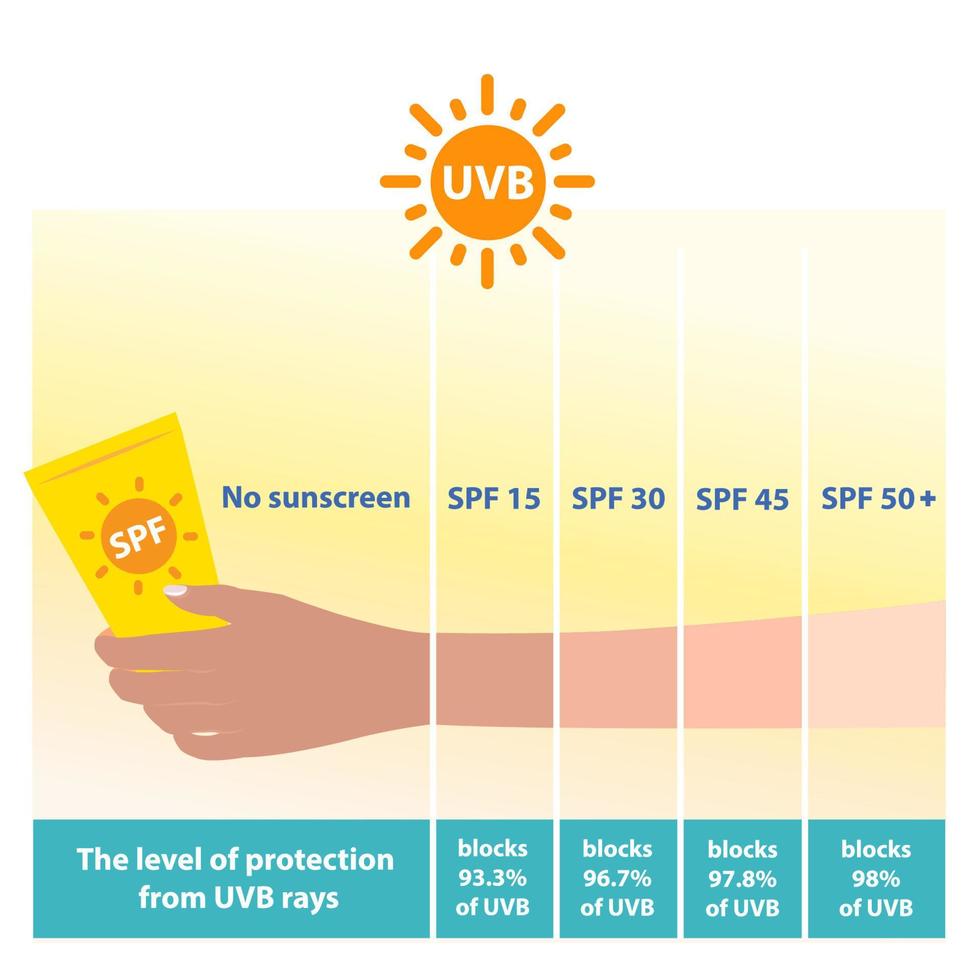
Mineral vs. Chemical Sunscreens
Depending on your skin type and preferences, you will likely choose between two main categories of active ingredients:
- Mineral (Physical) Sunscreens: These use ingredients like zinc oxide or titanium dioxide. They sit on top of the skin and reflect UV rays away like a mirror. They are generally recommended for those with sensitive skin or children due to the fact that they are less likely to cause irritation.
- Chemical Sunscreens: These contain organic compounds (such as avobenzone or octisalate) that absorb UV rays, convert them into heat, and release that heat from the skin. These are typically lighter in texture and do not leave a white cast, making them popular for daily wear under makeup.
The Art of Application: Avoiding the ‘Under-Apply’ Trap
The most common mistake people make is not what they buy, but how they apply it. Most consumers apply only 25% to 50% of the recommended amount of sunscreen, which drastically reduces the actual SPF they receive. If you apply an SPF 30 sunscreen too thinly, you may only be getting the protection of an SPF 10 or 15.
The Correct Quantity
To achieve the SPF listed on the label, you require a significant amount of product. A general rule of thumb for a full-body application for an average adult is approximately one ounce—roughly the amount that fits in a shot glass. For the face and neck alone, a nickel-sized dollop is typically required. Using the two-finger rule
—squeezing two strips of sunscreen along the index and middle fingers—is a practical way to ensure enough coverage for the face and neck.

Strategic Application Areas
Many people suffer burns on “forgotten” areas. When applying, ensure you do not overlook the following high-risk zones:
- The tops of the ears and the hairline.
- The back of the neck.
- The tops of the feet.
- The scalp (especially for those with thinning hair).
- The lips (use a dedicated SPF lip balm).
Timing is Everything
Sunscreen should be applied to clean, dry skin before you step outside. Chemical sunscreens, in particular, need time to bind to the skin to be effective. Applying them 15 to 30 minutes before sun exposure ensures the product is fully absorbed and ready to work.
Maintenance and Reapplication: The Two-Hour Rule
A single application in the morning is never sufficient for a day spent outdoors. Sunscreen breaks down over time as it is exposed to sunlight, and it is physically rubbed off by clothing, towels, and sweat.
The Reapplication Timeline
The standard medical recommendation is to reapply sunscreen at least every two hours. However, this window shortens if you are engaging in activities that remove the product from your skin. According to the Cleveland Clinic, a fresh layer should be applied more frequently if you are swimming or sweating heavily.
Water-Resistant Labels
No sunscreen is entirely “waterproof.” Labels such as water-resistant
indicate how long the product maintains its SPF level while immersed in water. These are typically rated for either 40 minutes or 80 minutes. Once that time limit is reached, or immediately after towel-drying, you must reapply.
Integrating Other Protections
Sunscreen should be the last line of defense, not the only one. A comprehensive sun-safety strategy includes:

- Protective Clothing: Wearing tightly woven fabrics or UPF (Ultraviolet Protection Factor) rated clothing.
- Wide-Brimmed Hats: Protecting the scalp, ears, and face.
- Seeking Shade: Especially during peak UV hours, typically between 10:00 AM and 4:00 PM.
Quick Reference Guide for Sun Protection
| Feature | Recommendation | Why It Matters |
|---|---|---|
| Spectrum | Broad-Spectrum | Protects against both UVA (aging) and UVB (burning) rays. |
| SPF Level | SPF 30 or higher | Provides a significant buffer against UVB radiation. |
| Application | 1 oz (shot glass) for body | Prevents under-application and loss of SPF efficacy. |
| Frequency | Every 2 hours | Counters product breakdown and physical wear. |
| Type | Mineral for sensitive skin | Reduces risk of allergic reactions or irritation. |
Common Myths and Misconceptions
In my years of practice, I have encountered several persistent myths that can lead to dangerous skin damage. It is vital to clarify these points for a global audience.
Myth: “I have a dark skin tone, so I don’t need sunscreen.”
While higher melanin levels provide some natural protection against UVB rays, no skin tone is immune to UV damage. People with darker skin can still develop skin cancer and suffer from hyperpigmentation and premature aging caused by UVA rays.
Myth: “My makeup has SPF, so I’m covered.”
The amount of makeup required to achieve the SPF listed on the bottle is far more than anyone would realistically apply to their face. To get the rated protection, you would need to apply several layers of foundation. Always use a dedicated sunscreen underneath your makeup.
Myth: “Cloudy days mean I don’t need protection.”
Up to 80% of UV rays can penetrate clouds. You can still sustain a significant sunburn on an overcast day, especially near reflective surfaces like water, sand, or snow.
The next critical step for those managing their skin health is the annual skin check. Dermatologists recommend a professional full-body skin exam once a year to detect any suspicious moles or lesions early, as early detection is the single most important factor in surviving melanoma. I encourage you to schedule your next screening and share this guide with your family to ensure everyone is protected this season.
Do you have questions about specific ingredients or how to choose a sunscreen for your skin type? Share your thoughts in the comments below or share this article to help others stay sun-safe.
Related reading