
Maintaining oral health is a lifelong endeavor, and for the millions of individuals who rely on dental prostheses, the stakes for proper hygiene are particularly high. Whether you are using full or partial dentures, consistent care is not merely about aesthetic maintenance; it is a critical component of preventing oral infections, irritation, and the degradation of the underlying gum tissue. As a physician, I often emphasize that a clean appliance is the first line of defense for a healthy mouth.
Learning how to take care of dentures effectively can significantly extend the lifespan of your appliance while protecting your systemic health. Many patients underestimate the complexity of a prosthetic surface, which—much like natural teeth—can harbor plaque, food particles, and bacteria if left uncleaned. According to the American Dental Association, failure to properly clean dentures can lead to denture stomatitis, a condition characterized by inflammation of the tissue under the denture, often caused by the yeast Candida albicans.
The Daily Routine: Essential Steps for Prosthetic Hygiene
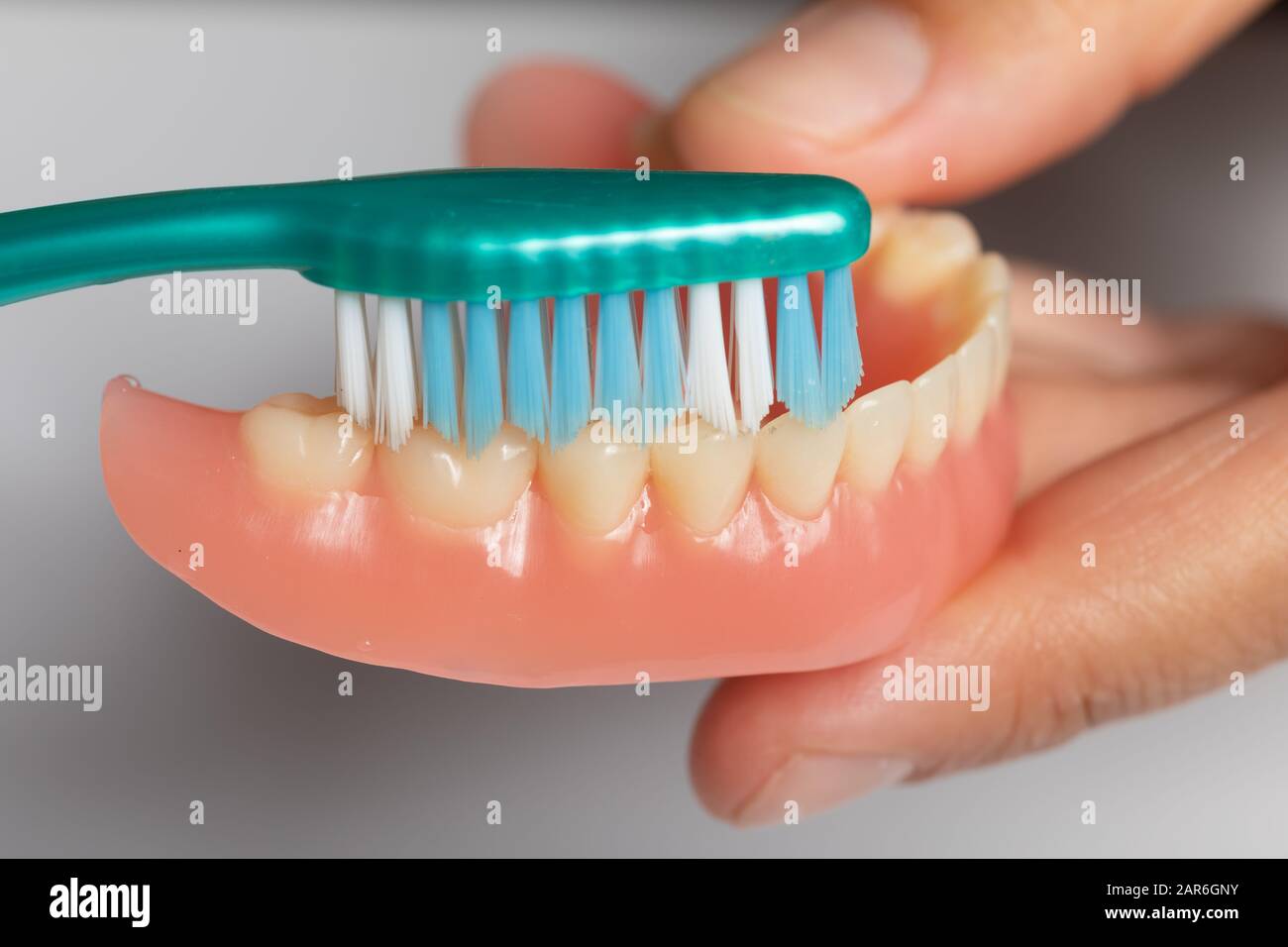
The foundation of denture care is a daily ritual that mirrors the discipline required for natural teeth. Because dentures are prone to staining and the accumulation of bacterial biofilms, they require specific cleaning agents and techniques. Standard toothpaste is often too abrasive for the acrylic surfaces of dentures. Using a soft-bristled brush specifically designed for prosthetics or a soft toothbrush is essential to avoid creating micro-scratches where bacteria can colonize.
A comprehensive cleaning protocol should involve three distinct phases: rinsing, brushing, and soaking. After every meal, you should remove your dentures and rinse them under running water to dislodge loose food particles. This simple habit prevents the buildup of debris that can cause discomfort during wear. Once daily, usually at night, you must brush the denture thoroughly. Use a non-abrasive denture cleanser or mild dish soap—avoid using bleach or harsh household cleaners, as these can damage the structural integrity of the material.
Mastering the Soak: Why Overnight Maintenance Matters
Giving your oral tissues a rest is just as important as cleaning the appliance itself. Most dental professionals recommend removing your dentures at night to allow the gums to recover and to maintain proper blood circulation in the oral mucosa. During this period, the appliance should remain submerged in a soaking solution or clean water.
Soaking serves two purposes: it keeps the material hydrated, preventing it from warping or losing its shape, and it helps loosen lingering deposits that brushing alone might miss. If you use a commercial soaking tablet, ensure it is approved by a dental regulatory body. The National Health Service (NHS) provides guidance noting that dentures should be cleaned over a sink filled with water or a folded towel; this prevents the appliance from fracturing should it accidentally slip from your hands during the cleaning process.
Addressing Common Challenges and Maintenance Issues
Beyond daily cleaning, long-term maintenance requires vigilance regarding the fit of your appliance. As we age, the bone structure in the jaw naturally undergoes resorption, which means the fit of your dentures will change over time. A loose denture can cause sore spots, difficulty chewing, and even accelerate bone loss. If you find yourself relying heavily on adhesives to keep your dentures in place, it is a clear indicator that a professional adjustment or a “reline” is necessary.
it is vital to understand that dentures are not permanent fixtures. Even with meticulous care, they typically require replacement every five to seven years due to wear and tear. Regular dental check-ups are not optional; they are the only way to ensure that the appliance remains functional and that your oral cavity is free from signs of pathology. During these visits, your dentist can perform a professional ultrasonic cleaning, which is far more effective at removing stubborn calculus (tartar) than home methods.
Key Takeaways for Optimal Denture Health
- Daily Rinsing: Always rinse your dentures after meals to remove food debris.
- Choose the Right Tools: Use a soft-bristled brush and non-abrasive cleansers to protect the acrylic surface.
- Overnight Rest: Remove your dentures at night to allow your gum tissues to breathe and recover.
- Professional Oversight: Schedule regular dental visits to check for proper fit and oral health.
- Handle with Care: Clean your dentures over a water-filled sink to prevent breakage if dropped.
The Connection Between Oral Health and Systemic Wellness
The significance of maintaining prosthetic hygiene extends far beyond the mouth. Research has consistently shown that poor oral health is linked to systemic conditions, including cardiovascular disease and diabetes. By managing the bacterial load on your dentures, you are actively reducing the risk of inflammatory processes that can impact your overall health. According to the Centers for Disease Control and Prevention (CDC), maintaining good oral hygiene is a fundamental pillar of health that should not be neglected, regardless of whether you have natural teeth or prostheses.
If you experience persistent pain, bleeding gums, or a sudden change in the fit of your dentures, do not attempt to adjust the appliance yourself. Home repairs can lead to irreversible damage to the prosthetic or injury to your soft tissues. Always consult with your prosthodontist or general dentist for any adjustments or repairs.
As we look toward future dental innovations, researchers are exploring antimicrobial coatings for prosthetic materials that may one day reduce the burden of daily cleaning. However, for the present, your personal diligence remains the gold standard. By integrating these habits into your daily life, you ensure that your smile remains comfortable, functional, and healthy for years to come.
The next scheduled update from major dental health organizations regarding prosthetic care standards is expected in late 2024. In the meantime, I encourage our readers to reach out to their local dental provider if it has been more than six months since their last professional exam. Have you found a particular cleaning method that works best for your routine? Share your experiences in the comments section below, and feel free to share this guide with anyone currently navigating the world of dental prosthetics.
Related reading