
The Patient Protection and Affordable Care Act (ACA), signed into law in 2010, fundamentally altered the United States healthcare landscape by introducing federal subsidies, expanding Medicaid eligibility, and establishing marketplaces for private insurance. Whether the policy successfully made health care more affordable remains a point of intense debate, as outcomes vary significantly depending on household income, geographic location, and individual health status. According to the Kaiser Family Foundation (KFF), the uninsured rate in the U.S. reached an all-time low of 7.7% in 2023, largely driven by expanded coverage options and enhanced federal subsidies.
For millions of Americans, the ACA has reduced the direct cost of premiums through Advanced Premium Tax Credits (APTC). The Centers for Medicare & Medicaid Services (CMS) reported that for the 2024 plan year, over 21 million people enrolled in Marketplace coverage, with a significant majority receiving financial assistance that lowered their monthly premiums. However, critics and some policy analysts point out that while premiums may be subsidized, out-of-pocket costs—such as deductibles and co-payments—have continued to rise, potentially offsetting the savings for those who require frequent medical care.
The Impact of Subsidies on Marketplace Premiums
The primary mechanism designed to improve affordability under the ACA is the federal subsidy system. Under the Inflation Reduction Act of 2022, which extended and expanded provisions originally introduced in the American Rescue Plan, more households became eligible for tax credits that cap the cost of a benchmark silver plan as a percentage of income. This expansion effectively lowered premiums for middle-income earners who previously did not qualify for assistance.

Despite these lower monthly costs, the “affordability” of the plan often depends on the plan’s actuarial value. Consumers choosing bronze or silver-tier plans often face higher cost-sharing requirements. According to a report by the Department of Health and Human Services (HHS), while the number of uninsured individuals has dropped, the burden of medical debt remains a persistent issue for many insured households. This suggests that while access to insurance has improved, the financial shield provided by that insurance varies widely.
Medicaid Expansion and Financial Protection
A major component of the ACA’s effort to increase affordability was the expansion of Medicaid to include adults with incomes up to 138% of the federal poverty level. States that opted to expand Medicaid have seen significantly different economic outcomes for their residents compared to those that did not. Research published by the National Bureau of Economic Research (NBER) indicates that Medicaid expansion is associated with a reduction in personal bankruptcies and a decline in medical debt collections among low-income populations.
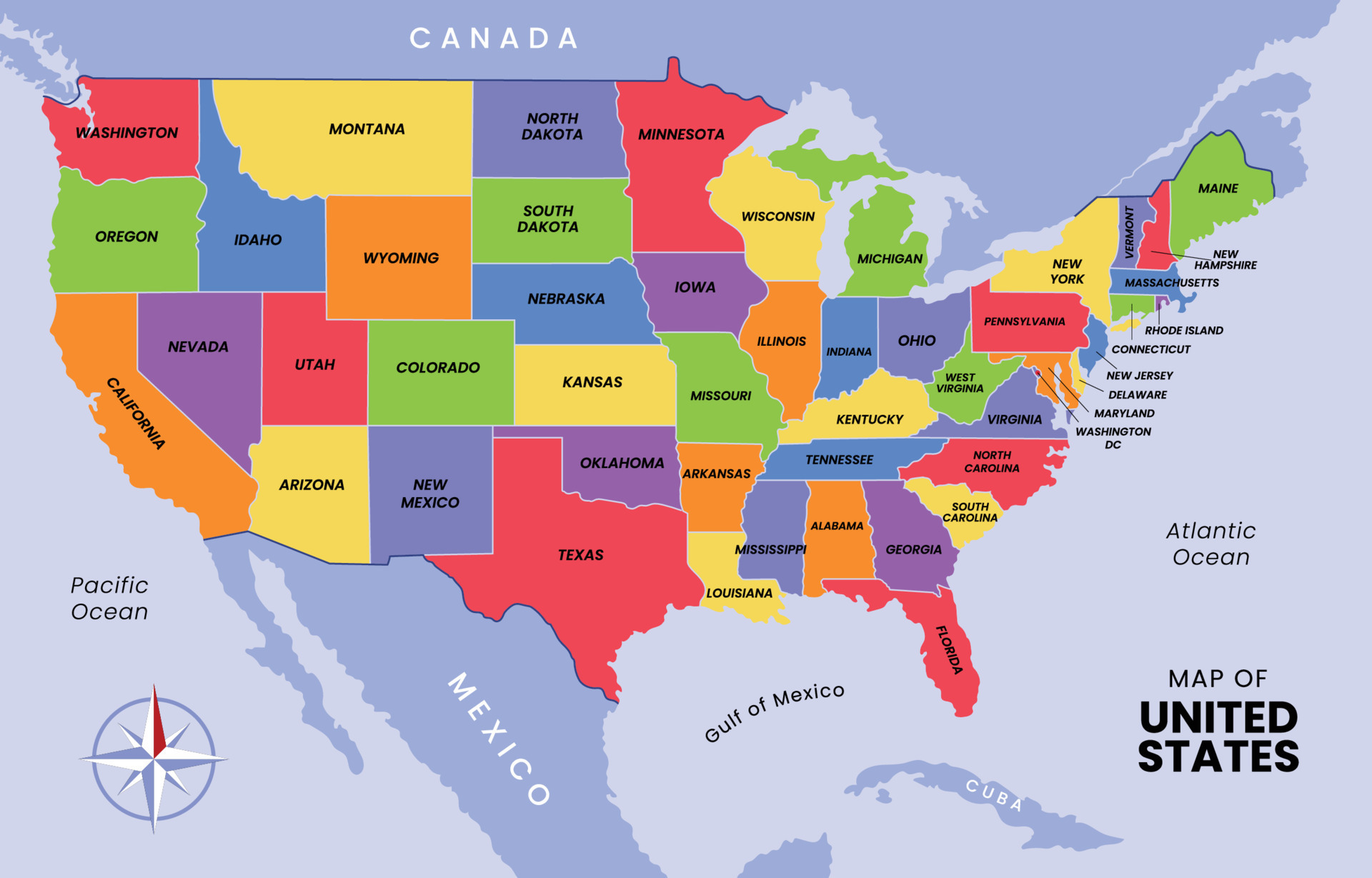
However, the decision to expand Medicaid remains a state-level choice. As of 2024, ten states have not yet adopted the expansion, leaving a coverage gap for individuals who earn too much to qualify for traditional Medicaid but too little to qualify for Marketplace subsidies. For these individuals, the ACA has not provided the intended affordability benefits, highlighting a persistent geographic disparity in healthcare access across the United States.
Rising Out-of-Pocket Costs and Deductibles
While the ACA succeeded in curbing the rate of premium growth for some, it did not eliminate the broader trend of rising healthcare costs. The Bureau of Labor Statistics has tracked consistent increases in the cost of medical services over the last decade. Many plans on the ACA exchanges feature high deductibles, meaning patients must pay thousands of dollars out of pocket before their insurance coverage begins to pay for non-preventive services.
Medical providers and patient advocacy groups often argue that the “sticker price” of healthcare services continues to climb, driven by rising costs for pharmaceuticals and hospital consolidation. While the ACA mandates that plans cover essential health benefits—including maternity care, mental health services, and preventive screenings without co-pays—the actual financial utility of these plans for those with chronic conditions remains a subject of ongoing concern in medical policy discussions.
Looking Ahead: Future Policy Adjustments
The affordability of the ACA is intrinsically linked to the current federal subsidy structure, which is set to expire at the end of 2025 unless Congress acts to extend it. The Congressional Budget Office (CBO) has projected that if these enhanced subsidies are allowed to sunset, premiums for many enrollees will rise significantly, potentially leading to a decrease in enrollment and an increase in the number of uninsured Americans.
As policymakers prepare for the upcoming legislative cycle, the focus remains on balancing federal budget constraints with the goal of maintaining affordable coverage. Readers interested in the latest enrollment data or changes to eligibility criteria are encouraged to monitor the official updates provided by HealthCare.gov. We welcome your experiences regarding health insurance costs in the comments section below.
Worth a look