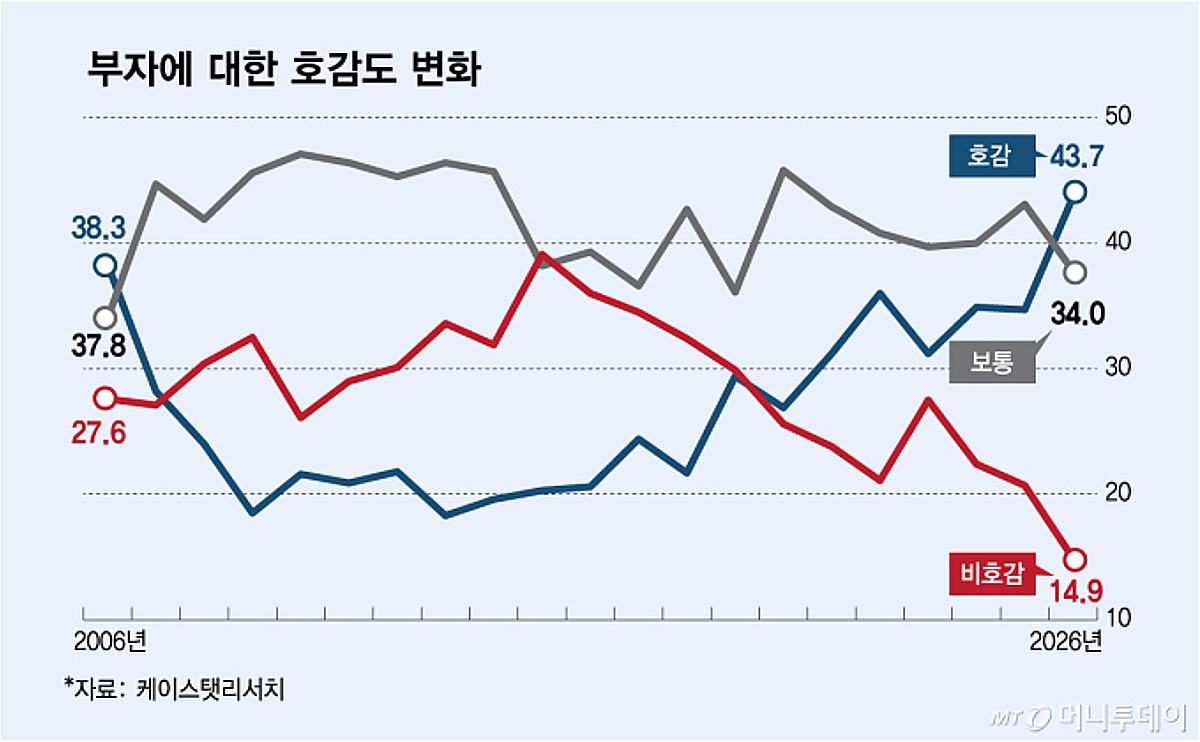
South Korean citizens increasingly identify stock market investment as the most viable path to wealth accumulation, according to recent public perception data. A survey conducted by K-Stat Research highlights a significant shift in financial priorities, with a growing number of respondents favoring capital market participation over traditional real estate investments.
The findings, which reflect the changing economic landscape in South Korea, place stock investment at the forefront of wealth-building strategies, followed by inheritance. This sentiment marks a departure from the historical reliance on property ownership—a cornerstone of household wealth in the country for decades—as the primary vehicle for financial advancement.
Shifting Perceptions of Wealth Accumulation
Public opinion regarding wealth creation in South Korea is undergoing a structural transformation. According to data provided by K-Stat Research, participants in the survey identified stock market investment as the most realistic method for achieving financial success in the current climate. This shift is occurring against a backdrop of fluctuating property prices and tightening regulatory environments in the domestic housing market.
The data suggests that the “real estate myth”—the long-held belief that property is the only reliable way to grow assets—is being challenged by a younger, more investment-savvy demographic. The increased accessibility of digital trading platforms and the global rise of retail investing have contributed to this trend. However, the survey also notes that inheritance remains a major factor in the perception of how wealth is concentrated in the country, underscoring the role of intergenerational asset transfers in the current socioeconomic hierarchy.
The Role of Real Estate in Modern Finance
While property remains a significant asset class, its status as the primary “wealth ladder” has been tempered by market volatility and government interventions aimed at stabilizing housing prices. Official reports from the Ministry of Land, Infrastructure and Transport frequently track these market fluctuations, which have influenced public confidence in residential real estate as a short-term growth engine.
Analysts note that while real estate has historically provided stability, the barriers to entry—including high down payment requirements and restrictive loan-to-value (LTV) ratios—have pushed many individuals toward the equity markets. The Financial Services Commission continues to monitor these trends, emphasizing the importance of diversified portfolios for individual financial stability in an era of heightened market sensitivity.
Factors Influencing Financial Strategy
Several key factors are driving the transition toward equity-based wealth strategies in South Korea:

- Digital Accessibility: The proliferation of mobile brokerage applications has lowered the barrier to entry for retail investors.
- Market Diversification: Investors are increasingly looking beyond domestic borders, seeking exposure to international technology stocks and global index funds.
- Regulatory Environment: Ongoing adjustments to property taxes and mortgage lending standards have altered the cost-benefit analysis of real estate investment.
- Inheritance Dynamics: As the population ages, the transfer of substantial assets to the next generation remains a critical, albeit less accessible, pathway to wealth for a large segment of the population.
The Bank of Korea periodically publishes reports on household debt and asset allocation, which further illustrate the complexities of the current financial environment. These reports are essential for understanding how macroeconomic policies influence the individual’s ability to build and maintain wealth over time.
Looking Ahead: Financial Literacy and Market Participation
The preference for stock investment over real estate raises questions about the long-term impact on household financial health. With more citizens participating in the stock market, the need for robust financial literacy programs has become a priority for regulatory bodies. The Financial Supervisory Service provides resources and guidance aimed at protecting retail investors and promoting sound investment practices.

As the economic landscape continues to evolve, the focus is expected to remain on how individual investors balance risk and return in an increasingly complex global market. Future public surveys will likely continue to track whether this preference for equity investment persists or if real estate regains its traditional dominance as market conditions change.
The next major update regarding household financial trends is expected in the upcoming quarterly reports from the Bank of Korea and the Statistics Korea (KOSTAT) financial indicators release. Readers interested in tracking these developments can monitor the official bulletins from the Financial Services Commission for policy shifts that may impact individual investment strategies. Please share your thoughts on these findings in the comments section below.
Related reading