
As we navigate the complexities of modern healthcare, the conversation surrounding cognitive health has shifted from reactive treatment to proactive prevention. As a physician, I frequently discuss the importance of long-term brain health with my patients in Berlin. Recent clinical research suggests that the choices we make, particularly during our morning routines, may play a significant role in mitigating the risk of cognitive decline and neurodegenerative conditions such as Alzheimer’s disease.
Understanding how daily behaviors influence neurological outcomes is a rapidly evolving field. While no single morning habit serves as a panacea for cognitive health, evidence from the National Institute on Aging suggests that a multi-faceted approach—incorporating physical activity, cognitive engagement, and nutritional choices—can support overall brain function as we age.
The Role of Physical Activity in Cognitive Preservation
One of the most robust findings in recent years is the correlation between regular physical activity and a reduced risk of dementia. Incorporating movement into your early morning routine does not necessarily require high-intensity training; rather, consistency is the primary driver of benefit. According to guidelines from the World Health Organization, physical inactivity is a modifiable risk factor that contributes to the global burden of dementia.
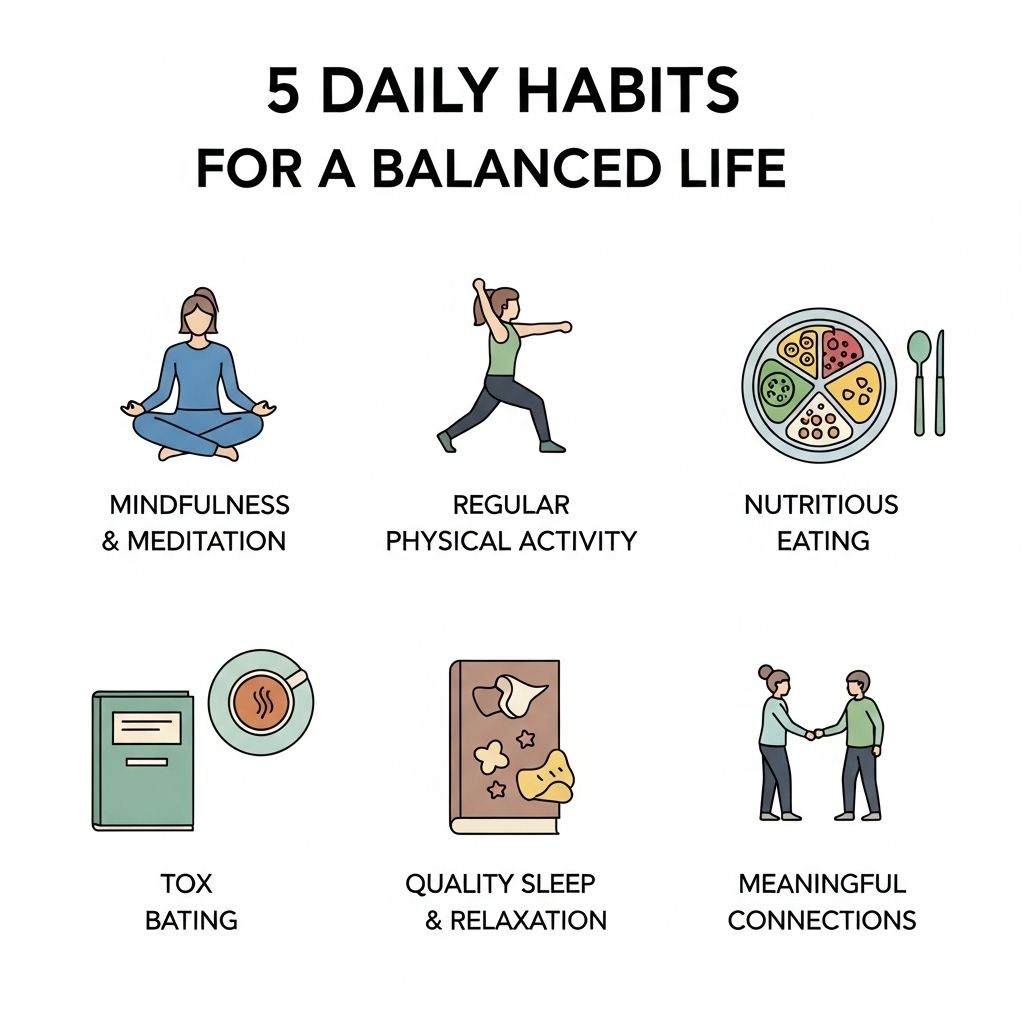
For many, a brisk walk or light stretching in the morning serves as an effective way to improve cardiovascular health, which is intrinsically linked to cerebral blood flow. Maintaining healthy blood pressure and managing metabolic markers are essential components of a preventative strategy. Clinical studies have indicated that aerobic exercise may increase the size of the hippocampus, the brain area involved in verbal memory and learning, in older adults.
Cognitive Stimulation and Nutritional Foundations
Beyond physical movement, the way we engage our minds early in the day can set a positive trajectory for cognitive maintenance. Intellectual stimulation—whether through reading, complex problem-solving, or learning new skills—is often cited by experts as a “cognitive reserve” builder. This reserve may help the brain remain resilient even in the face of pathological changes.
Nutrition also remains a cornerstone of brain health. The Mediterranean-style diet, rich in antioxidants, healthy fats, and fiber, has been extensively studied for its potential neuroprotective effects. Starting the day with a nutrient-dense meal provides the brain with the steady glucose supply it requires for optimal function. The Alzheimer’s Association emphasizes that heart-healthy diets are generally beneficial for the brain, highlighting the vital link between systemic health and neurological longevity.
Integrating Sustainable Lifestyle Changes
It is key to approach lifestyle modifications with a sense of realism. The goal is not to achieve perfection, but to build sustainable habits. If you are looking to adjust your morning routine, consider the following evidence-based considerations:
- Consistency over intensity: Prioritize daily habits that you can maintain long-term rather than sporadic, high-effort changes.
- Hydration and nutrition: Focus on whole foods and adequate hydration to support metabolic health.
- Social and cognitive engagement: Use the morning to engage with your environment or pursue intellectually stimulating activities.
- Professional consultation: Always discuss significant changes in lifestyle or concerns regarding cognitive health with your primary care physician.
As medical research progresses, we continue to gain clarity on how lifestyle factors influence the underlying mechanisms of cognitive decline. While we await further findings from ongoing longitudinal studies, the current consensus points toward a holistic lifestyle approach. For the latest official updates on Alzheimer’s and dementia research, the Centers for Disease Control and Prevention serves as a reliable resource for public health guidance.
The journey toward better brain health is a personal one, but it is supported by a growing body of scientific evidence. By focusing on consistent, healthy habits, we empower ourselves to maintain our cognitive function for as long as possible. I encourage you to share your thoughts or questions in the comments section below, and stay tuned to the World Today Journal for further expert analysis on medical innovation and public health.
Related reading