
Dominican vocalist Celinés has launched a new musical chapter with a single inspired by the spiritual legacy of Saint Padre Pio. The track, which draws directly from the prayers of the Italian Capuchin friar, emphasizes the concept of divine providence and the act of surrendering one’s personal history to God.
The release marks a significant shift for the singer, moving toward the contemporary Catholic music genre. According to details surrounding the production, the lyrics focus on the themes of letting go of the past and trusting in a higher power, mirroring the contemplative and devotional style associated with the “Saint of the Stigmas.”
What inspired Celinés’ new spiritual single?
The creative direction for the song stems from the theological and personal reflections of Saint Padre Pio, one of the most widely venerated figures in the Catholic Church. The lyrics specifically invite listeners to offer their past, present, and future to God through the lens of divine providence.
By utilizing the prayers of Padre Pio as a foundation, Celinés aims to create a piece of music that functions as both a professional release and a tool for personal devotion. The song’s structure reflects the saint’s emphasis on suffering, redemption, and the surrender of the human will to the divine. This approach seeks to connect the listener’s individual life experiences with the broader spiritual traditions of the Church.
Music historians and religious commentators note that this type of “devotional pop” or contemporary Christian music (CCM) often bridges the gap between traditional liturgy and modern radio-friendly production. By centering the song on a specific saint, Celinés taps into a deeply established culture of saint veneration that is particularly strong in Latin American and Mediterranean Catholic communities.
Who is Saint Padre Pio and why does he influence this music?
To understand the weight of Celinés’ thematic choice, one must look at the historical significance of Saint Pius of Pietrelcina, commonly known as Padre Pio. An Italian Capuchin friar, Padre Pio gained international recognition for his reported reception of the stigmata—the wounds of Christ—which he allegedly bore for many years.
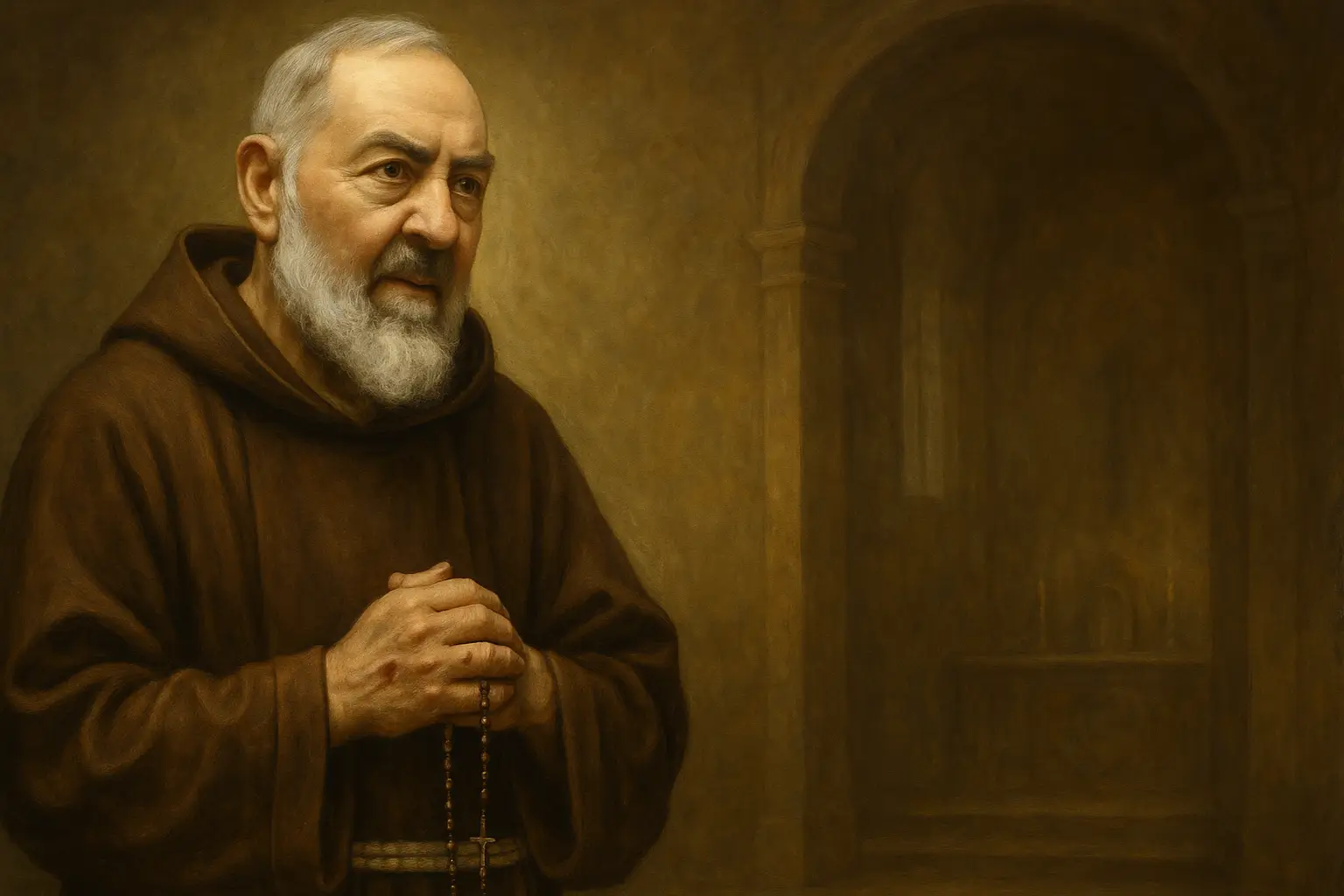
His influence extends beyond his physical phenomena to his profound spiritual writings and the massive following of the shrine in San Giovanni Rotondo, Italy. For many believers, Padre Pio represents a bridge between the physical reality of human suffering and the spiritual reality of divine grace. This makes his prayers a frequent subject for artistic and musical tributes.
The “Saint of the Stigmas,” as referenced in the context of the new song, remains a symbol of endurance and faith. For an artist like Celinés, using his prayers provides a pre-existing framework of emotional and spiritual depth that resonates with a global audience of Catholic practitioners.
How does this release impact Celinés’ career trajectory?
For Celinés, this release represents more than a new single; it is a pivot in her professional identity. Having navigated various facets of the entertainment industry, her return to the Catholic music scene suggests a desire to align her vocal talents with her personal faith.
In the landscape of Latin music, where secular pop and urban genres dominate the charts, there is a growing, dedicated market for high-quality spiritual music. Artists who successfully navigate this transition often find a loyal, multigenerational audience that engages with the music through both streaming platforms and religious gatherings.
This move places Celinés in a competitive space alongside other major Latin Christian artists who have successfully blended contemporary production with traditional messaging. Her ability to leverage her existing platform in the entertainment world to promote religious themes could provide a significant boost to the visibility of contemporary Catholic music in the English and Spanish-speaking markets.
The growing landscape of contemporary Catholic music
The release by Celinés coincides with a broader trend within the global music industry. While traditional hymns remain central to liturgical services, there is an increasing demand for music that addresses modern spiritual struggles through contemporary arrangements.

Several factors drive this trend:
- Accessibility: Modern production allows spiritual messages to reach younger demographics via social media and streaming services.
- Emotional Resonance: Contemporary arrangements often focus on the personal relationship between the individual and the divine, a theme central to Celinés’ new work.
- Cultural Identity: For many in the Latin diaspora, religious music serves as a vital link to cultural and familial roots.
This shift does not replace traditional music but rather expands the toolkit available to the faithful, providing a soundtrack for both private prayer and public celebration.
Key Takeaways of the Release
- Thematic Core: The song is built upon the prayers and spiritual philosophy of Saint Padre Pio.
- Central Message: A call to surrender one’s past and trust in divine providence.
- Artist Evolution: Marks a focused return to the Catholic music genre for Celinés.
- Cultural Context: Reflects the rising popularity of contemporary devotional music in the Spanish-speaking world.
As Celinés continues to promote this new direction, fans and religious organizations will likely look for upcoming live performances or televised appearances where the song can be showcased in a liturgical or concert setting. Further updates regarding the official music video or tour dates are expected as the single gains traction in digital markets.
What are your thoughts on the intersection of contemporary pop and spiritual music? Share your comments below and share this article with your network.
Worth a look