
Finding the perfect wine pairing for a premium cut of beef is less about following rigid rules and more about balancing the chemistry of fat, protein and acidity. Whether you are dining at a traditional establishment or hosting a dinner at home, the interaction between the tannins in a red wine and the lipids in meat can either elevate a dish or completely overpower it.
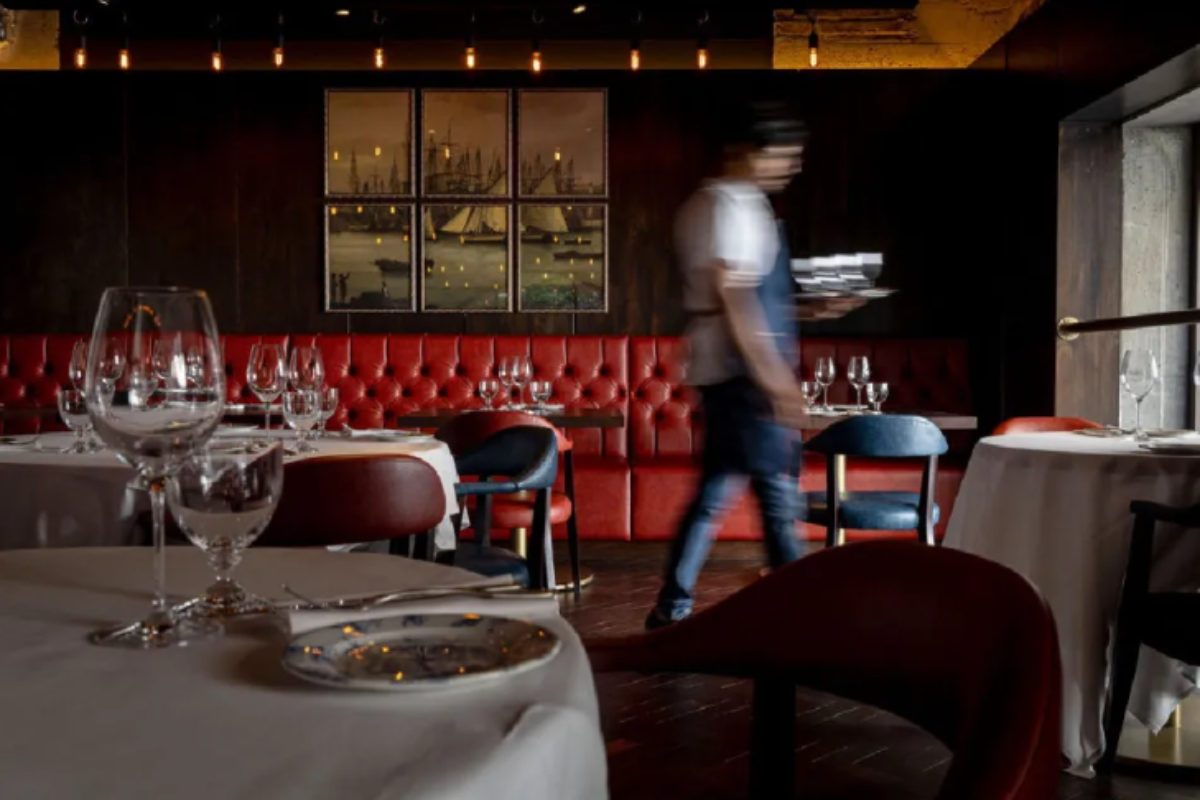
In the heart of London, this intersection of culinary art and oenology is being explored at the Liverpool Street Chop House &. Tavern. The venue, housed in a Grade II listed building, blends Victorian heritage with a modern sensibility, focusing on sustainable sourcing and a menu of entirely British-sourced meat provided by The Ethical Butcher via The Evolv Collection.
Leading the gastronomic direction is international chef and TV personality Mike Reid. With a background that includes experience at Le Gavroche, Restaurant Gordon Ramsay, and M, Reid has built a reputation for his expertise in beef, aging techniques, and nose-to-tail dining. His approach to the highly best wine pairings for steak and fine cuts of meat centers on the specific characteristics of each cut and the method of preparation.
Understanding these pairings requires a look at how different muscles of the animal provide different flavor profiles and textures, and how those elements dictate the choice of grape.
Matching the Wine to the Cut of Meat
The primary driver for wine selection is the balance between the lean muscle and the fat content of the beef. Tannins—the compounds in red wine that create a drying sensation in the mouth—bind to proteins and fats, effectively “cleansing” the palate between bites.
The Fillet: Elegance and Acidity
The fillet is prized for being extremely tender with a delicate flavor. Because It’s lean and possesses a fine texture, a heavy, high-tannin wine can easily overwhelm the meat. For this cut, Mike Reid suggests a light, elegant Pinot Noir. The bright acidity and softer tannins of a Pinot Noir complement the fillet without dominating the flavor profile.
The Sirloin: Structure and Fat
Sirloin offers more “bite” and a higher fat content than the fillet. This richness requires a wine with more structure to cut through the lipids. A classic Cabernet Sauvignon is the recommended pairing here, as its robust tannins provide the necessary structure to balance the fat and enhance the overall dish.
The Rump: Weight and Fruit
Rump is typically leaner than sirloin but firmer in texture, often delivering a deeper, more robust flavor. To stand up to this intensity, a wine with significant weight and fruit is required. Malbec or Shiraz are ideal choices, providing enough body to match the strength of the meat.
Rib-Eye on the Bone: Maximum Intensity
Cooking meat on the bone, particularly a rib-eye, adds significant depth and richness through the inclusion of fat and marrow. This extra intensity allows for a bolder wine selection. Reid recommends something more structured and tannic to match the increased richness of the bone-in cut.
How Cooking Methods Alter Wine Pairings
While the cut of meat is the starting point, the application of heat changes the chemical composition of the beef, altering its flavor, fat, and texture. These changes necessitate a shift in wine selection.
High-Heat Grilling
Grilling creates a dark, umami-rich, and slightly smoky taste. To cut through this intensity, a bold and bright wine is necessary. A subtly smoky Syrah or Shiraz can mirror the charred notes of the grill while providing the acidity needed to refresh the palate.
Roasting
Roasting a joint concentrates the juices, resulting in a profile that is both savory and slightly sweet. To maintain balance, a Bordeaux or Rioja is recommended, as these wines offer a sophisticated blend of fruit and earthiness that complements roasted meats.
Slow-Cooking
Slow-cooking transforms meat into a buttery, silky texture with deep, concentrated flavors. This calls for a “plush” wine with finer tannins. Grenache-dominant blends from the Rhone valley or a Barbera are excellent choices for their fruit-forward nature and smoother finish.

Raw Preparations: Steak Tartare
Steak tartare, where the meat is chopped raw and seasoned, is subtle and lacks the charred notes of cooked beef. This delicate preparation requires a lighter touch, such as a Pinot Noir or a Beaujolais, to avoid overpowering the raw beef.
The Influence of Regional Blends and Collaborations
The evolution of the modern chop house also involves integrating global wine influences into the British dining experience. At the Liverpool Street Chop House & Tavern, this is evidenced by a partnership with South African winemaker Ken Forrester, who creates exclusive wines for the establishment.
One such example is the ‘Renegade’ 2022, a Rhone-style blend of Shiraz and Grenache. This specific combination of grapes provides a balance of power and plushness that works effectively across various hearty meat dishes, reflecting a broader trend of utilizing South African terroir to complement traditional British fare.
Key Pairing Summary
| Cut/Style | Recommended Wine | Reasoning |
|---|---|---|
| Fillet | Pinot Noir | Light texture, bright acidity; doesn’t overpower lean meat. |
| Sirloin | Cabernet Sauvignon | Tannins cut through the higher fat content. |
| Rump | Malbec or Shiraz | Weight and fruit stand up to robust flavors. |
| Rib-Eye (on bone) | Structured/Tannic Reds | Matches the richness of bone marrow and fat. |
| Steak Tartare | Pinot Noir or Beaujolais | Subtle profile matches raw, seasoned meat. |
| Grilled/Smoky | Syrah or Shiraz | Boldness cuts through umami and char. |
| Slow-Cooked | Grenache blends or Barbera | Plush, fine tannins match silky texture. |
For those seeking the complete dining experience, the tradition of the chop house extends beyond the main course. The inclusion of classic desserts, such as a sherry trifle served tableside, completes the hearty, Victorian-inspired atmosphere that defines the current reimagining of the British tavern.
As the culinary landscape continues to evolve, the focus remains on sustainable sourcing and the preservation of heritage. The Liverpool Street Chop House & Tavern, under the guidance of The Evolv Collection and Chef Mike Reid, continues to refine the balance between historical dining traditions and 2025 sensibilities via The Knife.
We invite our readers to share their favorite steak and wine combinations in the comments below. Which regional blends do you find most effective for balancing rich cuts of meat?