
Dr. Helena Fischer • May 26, 2026 • Health
Sarcopenia: How Muscle Loss After 50 Dramatically Increases Fall Risk and Quality of Life Decline
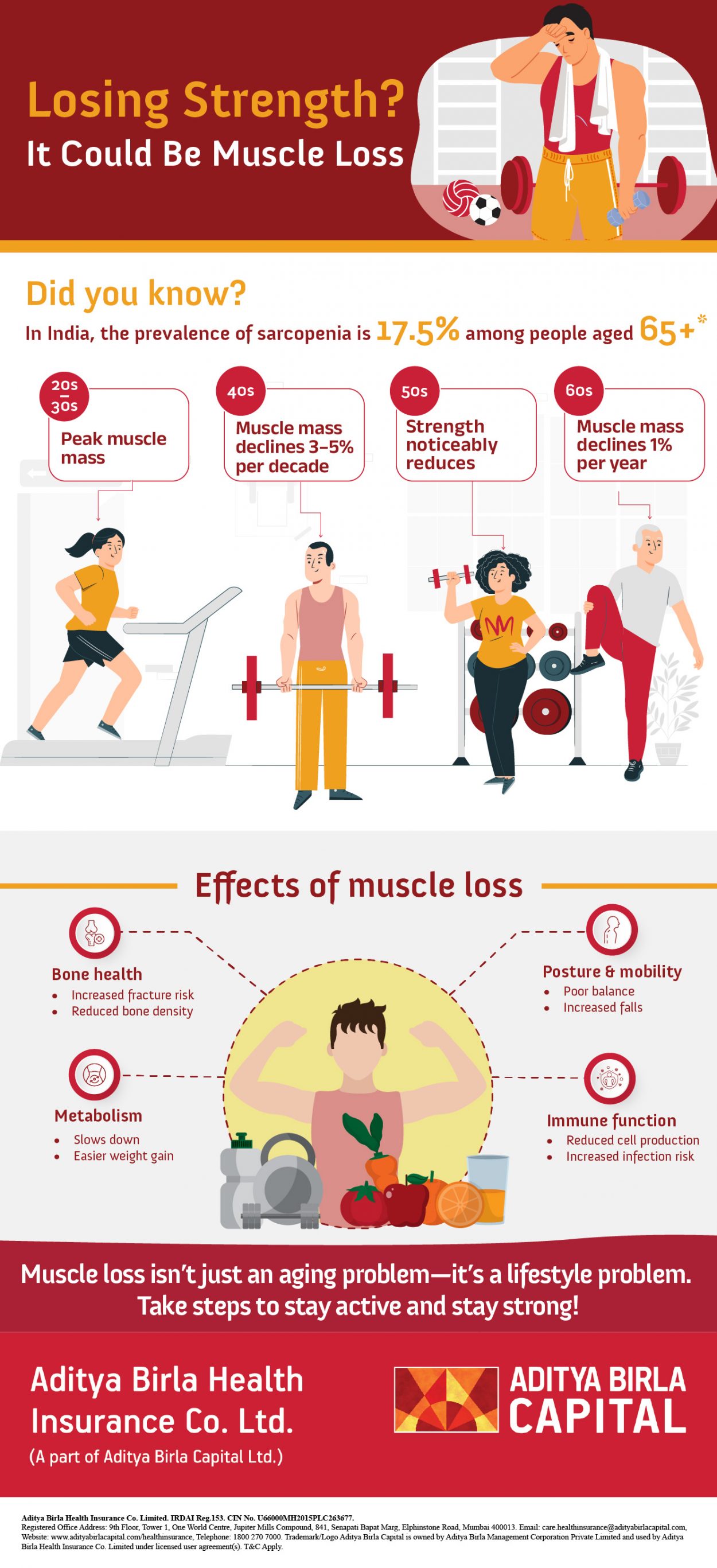
BERLIN — The gradual loss of muscle mass and strength that begins after age 50 isn’t just a natural part of aging—it’s a growing health crisis. Known as sarcopenia, this condition significantly increases the risk of falls, fractures, and a decline in overall quality of life. While often overlooked, sarcopenia now affects nearly one in four adults over 50, according to the World Health Organization, and its consequences extend far beyond physical weakness.
New research highlights that sarcopenia isn’t solely an inevitable result of aging. Instead, it’s strongly influenced by modifiable factors like diet and physical activity. Experts now emphasize that addressing sarcopenia early can prevent falls, reduce hospitalizations, and help seniors maintain independence for years longer than previously thought.
In this comprehensive guide, we explore the science behind sarcopenia, its connection to falls and quality of life, and—most importantly—what individuals and healthcare providers can do to intervene effectively.
What Is Sarcopenia, and Why Does It Matter?
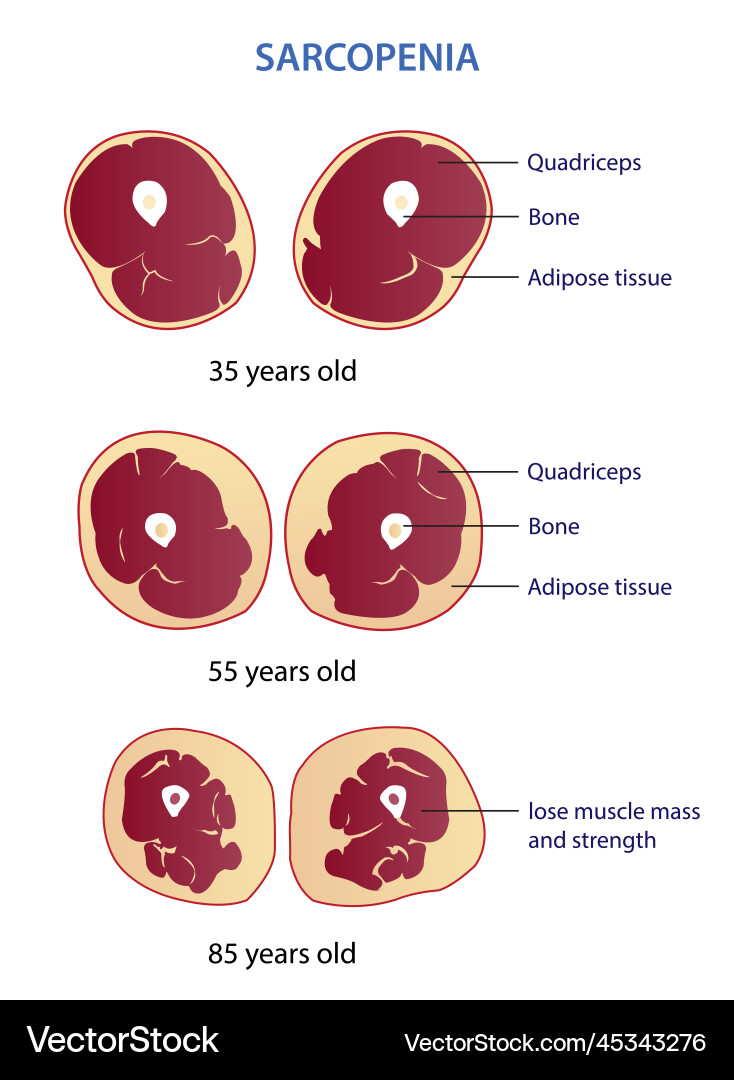
Sarcopenia—from the Greek words for “flesh” and “penia” (deficiency)—refers to the progressive loss of skeletal muscle mass and function that occurs with aging. Unlike general muscle atrophy, sarcopenia is characterized by:
- A decline in muscle strength (typically 1-2% per year after age 50)
- Reduced muscle quality (increased fat infiltration within muscle tissue)
- Impaired physical performance (difficulty with daily activities like climbing stairs or carrying groceries)
The condition is distinct from cachexia (muscle loss due to disease) and is now classified by the International Society of Sarcopenia and Frailty Research (ISSLSR) as a muscle disease with specific diagnostic criteria. What makes sarcopenia particularly dangerous is its silent progression—many seniors don’t realize they’re losing muscle until they experience a fall or struggle with basic tasks.
According to a 2020 meta-analysis in Journal of Cachexia, Sarcopenia and Muscle, sarcopenia is associated with:
- A 3-5 times higher risk of falls among older adults
- Increased likelihood of fractures (leading to 1.6 million hospitalizations annually in the U.S. Alone)
- Higher rates of institutionalization (nursing home placement)
- Reduced cognitive function and increased risk of dementia
The Fall Risk Connection: How Muscle Loss Leads to Injuries
Falls are the leading cause of fatal and non-fatal injuries among older adults, and sarcopenia plays a critical role in this epidemic. The relationship between muscle loss and fall risk stems from several physiological changes:
1. Reduced Power and Reaction Time
Muscle strength declines by up to 30% between ages 50 and 80, according to data from the National Institute on Aging. This loss directly impacts:
- Leg power: The ability to quickly extend the leg to catch oneself during a stumble
- Reaction time: Processing speed declines by about 1% per year after age 50, making it harder to respond to uneven surfaces or obstacles
- Balance control: Smaller muscles in the ankles and feet (critical for stability) atrophy faster than larger muscles
2. Increased Frailty
The Frailty Phenotype model identifies sarcopenia as a key component of frailty—a state where the body’s ability to withstand stress (like a fall) is severely compromised. Frail individuals are:
- 5 times more likely to fall than their non-frail peers
- More likely to experience hip fractures, which carry a 20% mortality rate within a year
- At higher risk of pressure ulcers after falls, complicating recovery
3. The “Pre-Fall” Syndrome: When Weakness Becomes Dangerous
Research from the Boston University School of Public Health identifies a “pre-fall” syndrome where subtle signs of sarcopenia—like difficulty rising from a chair or standing on tiptoes—predict falls 12-18 months before they occur. This early warning period offers a critical window for intervention.
Visual explanation: How sarcopenia affects balance and fall risk (Source: Harvard Medical School)
Quality of Life: Beyond Physical Limitations
While the physical risks of sarcopenia are well-documented, its impact on mental health and social engagement is often underestimated. Studies show:
- Depression risk doubles among seniors with sarcopenia, likely due to loss of independence and social isolation (Journal of Gerontology)
- 70% reduction in leisure activities—many seniors with sarcopenia stop hobbies like gardening or dancing due to physical limitations (AgingCare)
- Increased caregiver burden: Family members spend 30% more time assisting with daily tasks for sarcopenic individuals (Geriatrics & Gerontology International)
The economic toll is staggering: The RAND Corporation estimates that sarcopenia-related falls cost the U.S. Healthcare system $50 billion annually in direct medical expenses and lost productivity.
Prevention: What Science Says Works
Contrary to popular belief, sarcopenia is not an inevitable part of aging. A growing body of evidence shows that targeted interventions can reverse or significantly slow muscle loss. The most effective strategies combine:
1. Protein-Rich Nutrition
Protein intake is the cornerstone of sarcopenia prevention. The ISSLSR recommends:
- 1.2-1.5 grams of protein per kilogram of body weight daily (e.g., 84-105g for a 70kg/154lb person)
- Even distribution: Spreading protein intake across 3-4 meals (not just at dinner) maximizes muscle synthesis
- High-quality sources: Lean meats, fish, dairy, eggs, and plant-based options like lentils and tofu
Recent studies highlight the importance of leucine (an essential amino acid) in stimulating muscle protein synthesis. Foods rich in leucine include:
- Whey protein (2.5g leucine per 25g serving)
- Chicken breast (2.9g leucine per 100g)
- Eggs (1.2g leucine per large egg)
- Soy products (1.8g leucine per 100g tofu)
2. Resistance Training
Exercise is the only intervention proven to build new muscle in older adults. The American College of Sports Medicine recommends:
- 2-3 sessions per week of progressive resistance training (using body weight, resistance bands, or weights)
- Multi-joint exercises: Squats, deadlifts, and lunges target large muscle groups
- Balance training: Tai Chi or single-leg stands improve stability
Even low-intensity resistance training (like seated leg presses) can increase muscle mass by 1-3% in 12 weeks, according to a 2019 study in Sports Medicine.
3. Vitamin D and Omega-3s
Deficiencies in these nutrients are common in older adults and exacerbate sarcopenia:
- Vitamin D: Supports muscle protein synthesis. Many seniors are deficient (30-50% of those over 65)
- Omega-3s: Reduce muscle inflammation. Fatty fish (salmon, mackerel) or supplements (250-500mg DHA/EPA daily) are recommended
Diagnosis: When to Seek Help
Sarcopenia is often underdiagnosed because many healthcare providers rely on body mass index (BMI) rather than muscle function tests. The ISSLSR recommends these diagnostic criteria:
- Low muscle strength: Grip strength < 27 kg for men or < 16 kg for women
- Low muscle quantity: Appendicular skeletal muscle mass index (ASMI) < 7.0 kg/m² for men or < 5.5 kg/m² for women
- Low physical performance: Difficulty completing tasks like standing from a chair 5 times in < 15 seconds
Screening tools like the SARC-F questionnaire (5 simple questions) can identify at-risk individuals in primary care settings. Early diagnosis allows for targeted interventions before mobility becomes severely compromised.
Emerging Treatments: Beyond Diet and Exercise
While lifestyle changes remain the gold standard, researchers are exploring additional therapies:
- Myostatin inhibitors: Experimental drugs that block a protein (myostatin) that limits muscle growth. Phase 2 trials show promise (Clinical Trials.gov)
- Testosterone replacement: May benefit men with low testosterone levels (Endocrine Society guidelines)
- Electrical stimulation: Devices like the FDA-approved EMS devices can stimulate muscle contractions during rehabilitation
However, experts caution that these treatments should complement—not replace—traditional interventions like resistance training and proper nutrition.
Key Takeaways: Protecting Muscle Health After 50
- Sarcopenia is preventable: Combine protein-rich nutrition (1.2-1.5g/kg body weight) with resistance training 2-3x/week.
- Early signs matter: Difficulty rising from a chair or standing on tiptoes may indicate sarcopenia—seek evaluation.
- Fall prevention starts with muscle: Stronger muscles improve reaction time and balance, reducing fall risk by up to 50%.
- Quality of life depends on it: Maintaining muscle mass preserves independence, mental health, and social engagement.
- Screening is simple: The SARC-F questionnaire takes < 2 minutes and can identify at-risk individuals.
What’s Next: Research and Policy Directions
The next frontier in sarcopenia research includes:
- Personalized nutrition: Using blood tests to tailor protein and vitamin recommendations
- Digital monitoring: Wearable devices tracking muscle function and fall risk in real time
- Public health campaigns: Like the CDC’s Healthy Aging Initiative, which now includes sarcopenia screening guidelines
- Workplace policies: Some countries (like Japan) are integrating sarcopenia screening into regular health check-ups for adults over 50
The World Health Organization projects that by 2050, one in five people globally will be over 65. Without intervention, sarcopenia-related healthcare costs could rise by 400% over current levels, according to projections from the OECD.
Reader Action: Steps to Take Today
If you’re over 50—or caring for someone who is—consider these immediate actions:
- Assess your protein intake: Use this USDA protein calculator to ensure you’re meeting daily needs.
- Try a simple strength test: Can you stand up from a chair without using your hands? If not, it may be time to start resistance training.
- Schedule a vitamin D test: Many seniors are deficient without realizing it—this simple blood test can guide supplementation.
- Talk to your doctor: Ask about sarcopenia screening, especially if you have a family history of muscle loss or mobility issues.
For healthcare providers, the ISSLSR’s clinical practice guidelines provide evidence-based recommendations for diagnosis and treatment.
Final Thoughts: A Preventable Crisis
Sarcopenia represents one of the most underappreciated health challenges of our aging population. Yet, the solutions—protein-rich diets, strength training, and regular health monitoring—are within reach for nearly everyone. By addressing muscle loss early, we can transform what was once considered an inevitable part of aging into a preventable condition.
The next major checkpoint in sarcopenia research will be the 2027 International Congress on Sarcopenia and Frailty, where new clinical trials and policy recommendations are expected to be unveiled. In the meantime, the most powerful tool we have is simple: action.
Share your experiences or questions in the comments below—have you or a loved one faced challenges with muscle loss? What strategies have worked for you?
Dr. Helena Fischer is a physician and health journalist with expertise in aging and muscle health. For more on healthy aging, explore our comprehensive guide to aging wellness.
Worth a look