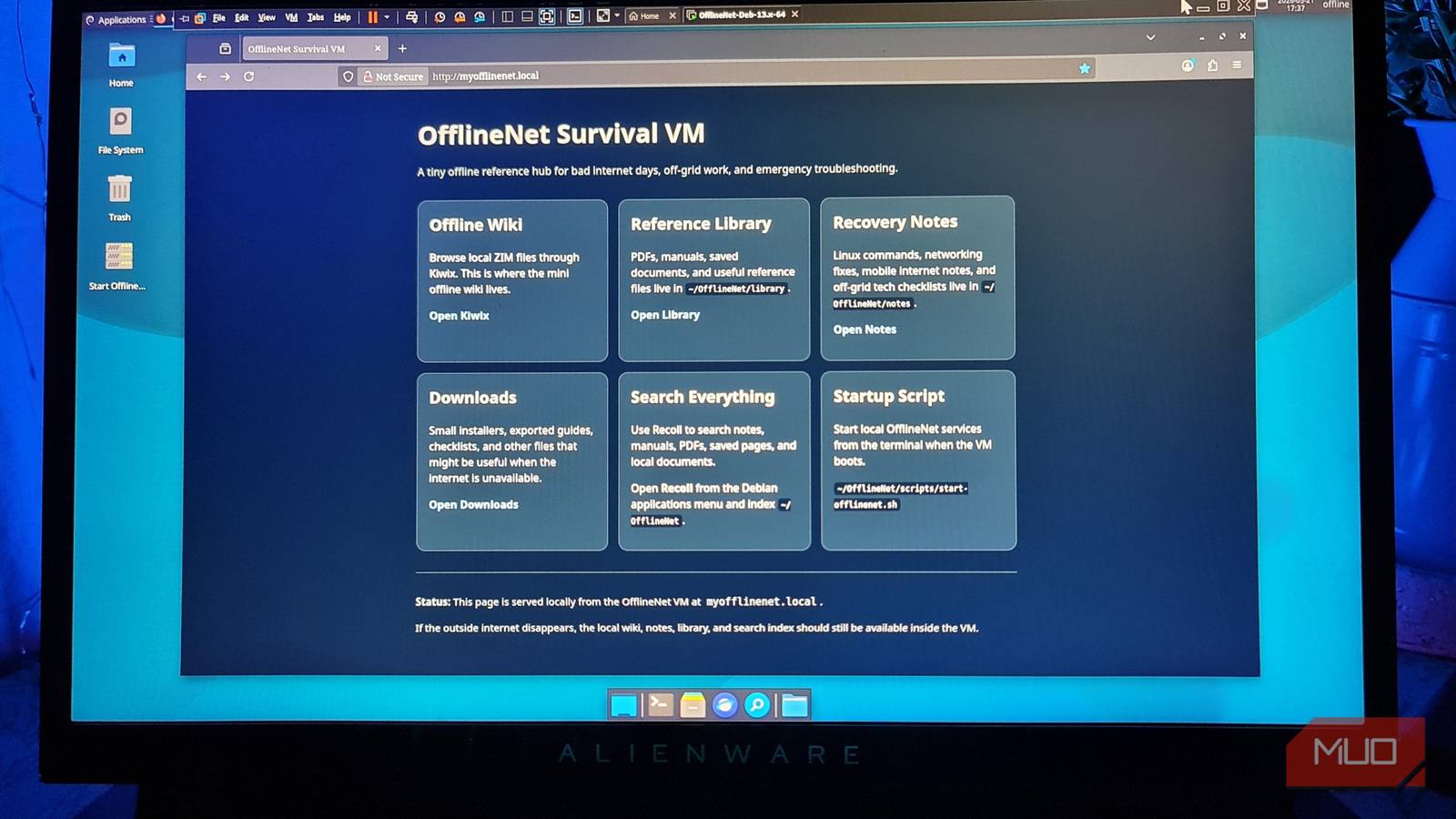
Living in a rural environment often comes with a trade-off: the serene landscape frequently arrives at the cost of reliable digital infrastructure. For those of us who rely on the web for everything from professional communication to basic information retrieval, a stable connection is not just a convenience—it is a necessity. When severe weather or grid instability triggers a prolonged power outage, the sudden loss of connectivity can feel like a complete technological blackout. It is a frustration shared by many living outside major metropolitan hubs, where cell towers may lack the long-term battery backups required to maintain service during extended environmental events.
As a technology editor, I have spent years exploring how You can bridge the gap between our high-tech expectations and the reality of physical infrastructure. The concept of building a “tiny offline internet”—a localized, self-contained information repository—is more than just a hobbyist’s project; it is a practical strategy for maintaining access to critical knowledge when the wider web goes dark. By leveraging local server architectures and cached databases, users can effectively create a resilient, “always-on” information ecosystem that functions independently of external service providers.
The Architecture of Offline Resilience
At its core, creating a personal offline internet involves shifting from a cloud-based dependency model to a localized, edge-computing approach. The goal is to host essential services—such as search engines, encyclopedic databases, and documentation—on local hardware that does not require an active wide-area network (WAN) connection. This is often achieved using low-power, single-board computers like the Raspberry Pi, which can run lightweight server software capable of hosting local websites and applications.
According to the Federal Emergency Management Agency (FEMA), power outages are a common occurrence during severe weather events, and maintaining a cache of critical information is a recommended component of a robust emergency preparedness plan. By utilizing software such as Kiwix, which allows users to download and host offline versions of Wikipedia and other educational resources, individuals can maintain access to a vast library of human knowledge even when the external internet is inaccessible. This approach ensures that, regardless of the status of the local cell tower or the fiber optic backbone, the data you need remains at your fingertips.
Why Local Caching Matters
The reliance on cloud-based services has made us vulnerable to the “all-or-nothing” nature of modern connectivity. When the connection drops, we lose access to our files, our search tools, and our communication channels. By building a local server, you are not just backing up data; you are creating a localized intranet that remains functional regardless of external outages. This is particularly vital in regions where utility infrastructure is prone to damage from natural disasters.
The Cybersecurity and Infrastructure Security Agency (CISA) emphasizes the importance of infrastructure resilience, noting that organizations and individuals should prioritize redundant systems to mitigate the impact of service interruptions. For the individual user, this means that even if the primary internet signal is severed, a local server can continue to serve cached content, provide internal messaging, and host essential utility applications, effectively insulating the user from the immediate effects of a regional blackout.
Implementing Your Own Offline Solution
Building a basic offline system does not require an engineering degree, though it does require careful planning. The first step is identifying the data you absolutely cannot live without. For many, this includes offline maps, medical documentation, emergency guides, and a robust offline encyclopedia. Once the data is sourced, the next step is hardware selection. Low-power consumption is key, as your offline server may need to run on a battery backup or a portable solar generator during an extended outage.
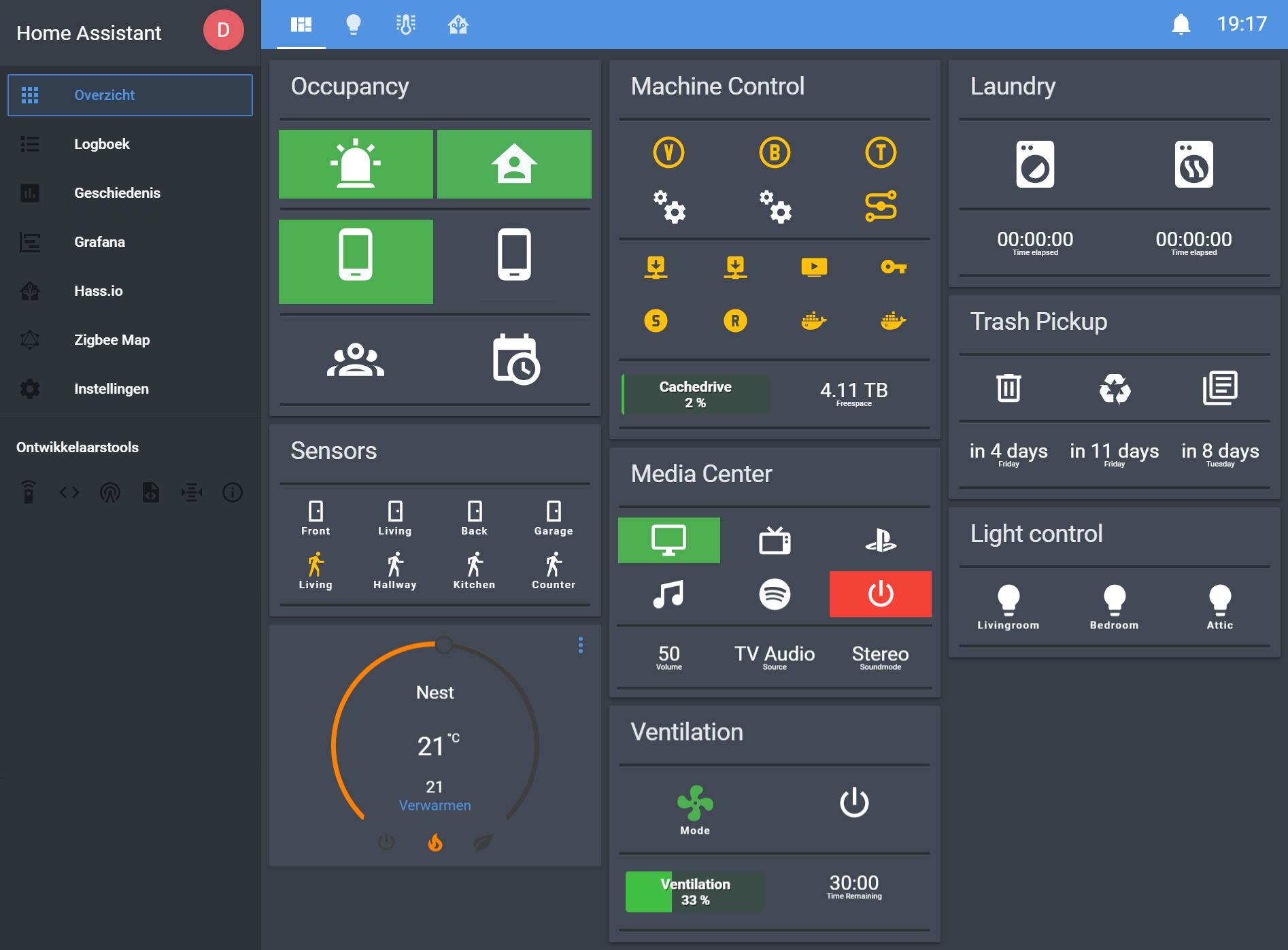
Recent advancements in open-source software have made it easier than ever to deploy these services. Projects like Home Assistant, for example, allow users to manage their smart home devices locally, ensuring that critical home systems remain operational even when the cloud-based services they typically rely on are offline. By centralizing these resources on a home server, you create a private, high-speed network that is entirely under your control.
Future Outlook and Preparedness
As we look toward the future, the integration of edge computing into our daily lives will likely become more standard. The fragility of our centralized digital infrastructure is becoming increasingly apparent, and as more people realize the benefits of local data ownership, we may see a shift toward more decentralized, resilient home networks. Preparedness is not just about having a flashlight and extra water; it is about ensuring that your digital tools remain operational when you need them most.
For those interested in tracking infrastructure trends and official updates on grid reliability, the U.S. Energy Information Administration (EIA) provides regular reports on the state of the nation’s energy grid, which can help homeowners anticipate potential service risks. Staying informed about the status of your local utilities is the first step in building a truly resilient home environment.
The next scheduled update regarding grid infrastructure and national energy reliability is expected to be released by the EIA in the coming weeks. We encourage our readers to share their own experiences with building offline solutions or to ask questions in the comments section below. How are you preparing for the next outage? Let us know your thoughts and join the conversation.
Related reading