
The online community r/AlmostHomeless has emerged as a digital forum where individuals share practical survival strategies amid rising economic pressure and widening wealth inequality. As global market indicators show a continued concentration of wealth among the ultra-high-net-worth demographic, participants on the platform exchange advice on securing basic necessities, navigating social services, and managing extreme financial precarity.
According to data from the World Inequality Report 2022, the share of global income captured by the top 10% of the population remains significantly higher than that of the bottom 50%, a trend that economists associate with post-pandemic inflationary pressures and stagnant wage growth in several major economies. For the thousands of users congregating in spaces like r/AlmostHomeless, these macroeconomic shifts translate into daily decisions regarding food security, housing stability, and debt management.
Economic Context of Modern Financial Precarity
The rise of digital survival communities mirrors broader shifts in the global economy, where the cost of living has outpaced median household income in many developed nations. The Federal Reserve’s 2023 Survey of Household Economics and Decisionmaking noted that a significant portion of U.S. adults would struggle to cover a $400 emergency expense using cash or its equivalent, highlighting the thin margins separating many households from financial instability. This data point underscores why digital peer-to-peer support networks have become essential for those attempting to avoid formal homelessness.
Market analysts often point to the “K-shaped” recovery following the 2020 global economic contraction as a primary driver for the current disparity. While capital markets and the billionaire class saw record-breaking asset appreciation, as noted in reports from Oxfam International regarding wealth concentration during the pandemic, the service and labor sectors faced persistent volatility. This divergence has created a landscape where the traditional safety nets—such as personal savings and affordable credit—are increasingly inaccessible to the working class.
Survival Tactics in Digital Forums
Discussions within the r/AlmostHomeless subreddit typically focus on actionable, localized advice. Common topics include identifying regional food pantries, navigating the complexities of government benefit applications, and maintaining hygiene while lacking a permanent address. Unlike traditional financial advice columns that emphasize long-term investment, these threads prioritize immediate, low-cost solutions to prevent housing displacement.
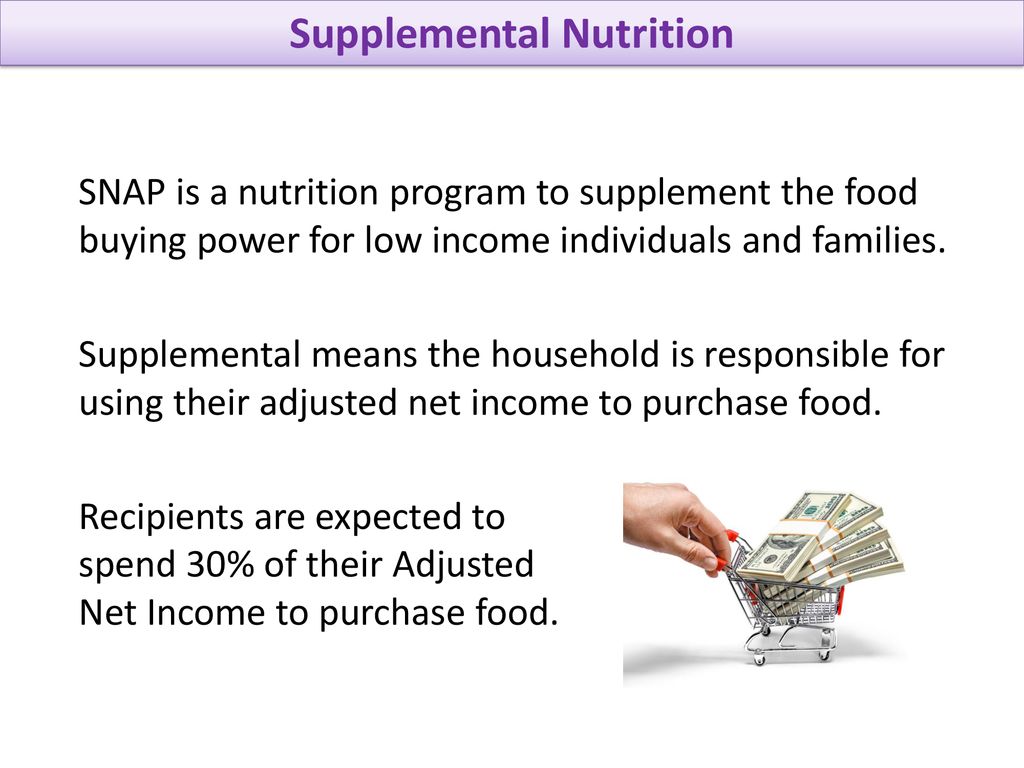
The reliance on crowdsourced information reflects a broader failure of institutional communication. Many users report that official government websites for social services are difficult to navigate or that eligibility requirements are poorly explained. By pooling collective knowledge, community members bypass administrative hurdles, sharing tips on specific eligibility criteria for programs like the Supplemental Nutrition Assistance Program (SNAP) in the United States or similar social welfare frameworks internationally.
Institutional Responses and Policy Gaps
The persistence of these online communities suggests a structural gap in social policy. While municipal governments often maintain databases of shelters and support services, the real-time, peer-verified information provided in online forums often proves more effective for individuals in crisis. According to the National Alliance to End Homelessness, preventing homelessness before it begins—through rent assistance and eviction diversion—remains the most cost-effective approach, yet funding for such programs frequently fails to meet the scale of current demand.
The disconnect between the growth of global wealth and the stability of the average household continues to be a subject of intense debate among policymakers. The World Economic Forum’s Global Risks Report 2024 identifies the erosion of social cohesion and the cost-of-living crisis as top-tier global risks, suggesting that without targeted intervention in housing policy and wage equity, the reliance on informal support networks will likely grow.
Looking Ahead: Data and Policy Checkpoints
The next major assessment of global wealth distribution will be provided in the upcoming release of the World Inequality Database updates, which are scheduled for publication later this fiscal year. Meanwhile, local housing authorities in major metropolitan areas continue to hold public hearings regarding budget allocations for the next cycle, where advocates for affordable housing often present testimony on the realities faced by those on the brink of displacement. For individuals seeking official resources, the U.S. Department of Housing and Urban Development (HUD) provides a directory of local housing assistance programs that are verified and updated regularly.
As the economic landscape evolves, observers will be watching for potential legislative shifts in rent control and social safety net expansion. Readers are encouraged to share their experiences with local resources or participate in the ongoing conversation regarding economic policy in the comments section below.