<>
Flour is a staple in kitchens worldwide, but it is also a substance prone to spoilage and pest infestation if not stored correctly. While many households discard expired flour without a second thought, there are practical, non-food-related ways to repurpose it for household cleaning. According to food safety experts, understanding the shelf life of pantry staples is the first step in effective home management, as improper storage can lead to the growth of mold or attract pantry pests like flour beetles.
When flour is no longer suitable for consumption—due to passing its expiration date, signs of moisture, or the presence of insects—it can still serve as a potent cleaning agent. Its fine, powdery texture acts as a mild abrasive, making it effective for removing grease from kitchen surfaces and scrubbing stubborn residue from bathroom tile grout. By repurposing these household items, homeowners can reduce waste while addressing common maintenance tasks.
Identifying Flour Spoilage and Proper Disposal
The shelf life of flour depends heavily on its type and storage environment. White flour, which has a lower fat content, generally remains stable for six to eight months in a pantry, whereas whole wheat or nut flours have a shorter lifespan—often as little as three months—due to higher oil content that can turn rancid. The U.S.

Signs of spoilage include a sour or metallic smell, clumping that does not break apart easily, or the presence of small larvae or webbing. To prevent premature waste, experts recommend transferring flour from its original paper packaging into airtight glass or plastic containers. This practice creates a barrier against humidity and pests, which are the primary drivers of degradation in dry goods.
Using Flour for Kitchen Maintenance
One of the most effective ways to repurpose expired flour is to use it as a degreaser for stainless steel appliances and cast-iron surfaces. Flour’s ability to absorb oils makes it an ideal tool for cleaning greasy kitchen spills. When sprinkled over an oily residue, the flour adheres to the grease, allowing it to be wiped away as a solid mass rather than smeared across the surface.

For stainless steel, applying a small amount of dry flour and buffing it with a microfiber cloth can help remove streaks and fingerprints. Because flour is non-toxic and mild, it poses less risk of scratching surfaces compared to harsh chemical scouring powders. However, it is essential to ensure that the flour is completely wiped away after use, as residual starch can attract pests if left behind in crevices.
Cleaning Bathroom Grout and Tile
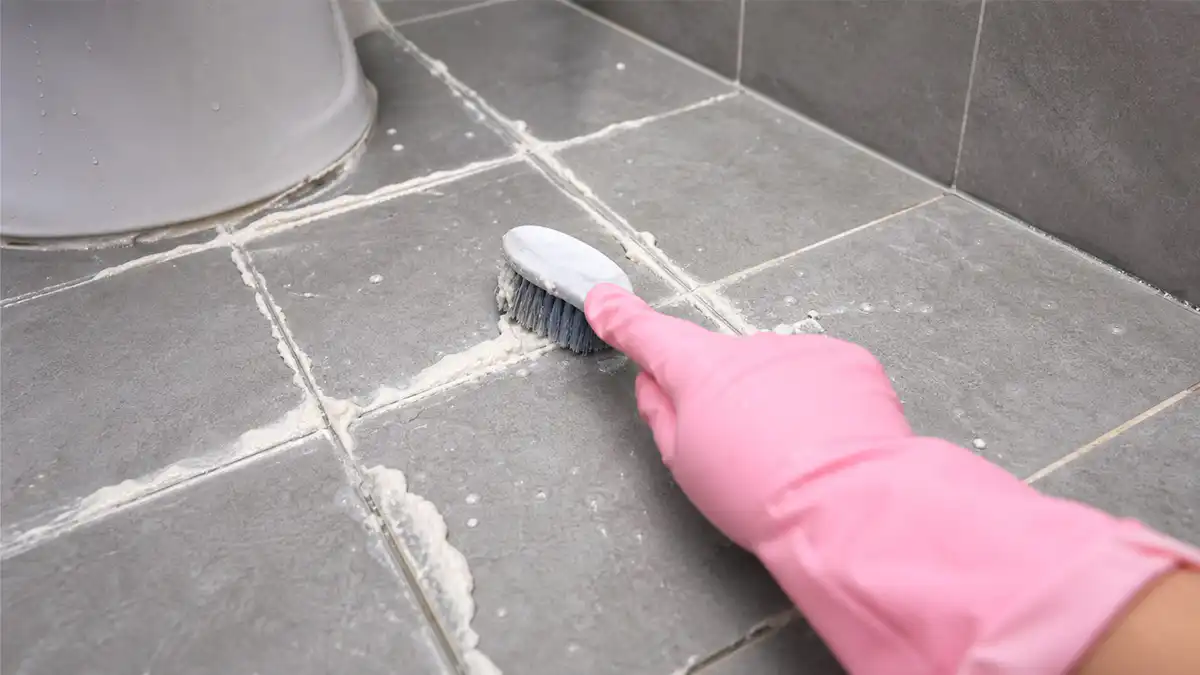
Beyond the kitchen, the abrasive nature of flour is useful for deep-cleaning bathroom tile grout. Over time, grout lines accumulate soap scum, mineral deposits, and dirt that traditional liquid cleaners may struggle to lift. By creating a thick paste with flour and a small amount of water or vinegar, you can target these specific areas.
Apply the flour paste directly onto the grout lines and allow it to sit for approximately 15 to 20 minutes. The mixture works by drawing out grime from the porous surface of the grout. After the set time, use a stiff-bristled brush to scrub the area before rinsing it thoroughly with warm water. This method provides a cost-effective alternative to commercial grout cleaners, though it requires a thorough rinse to prevent the starch from becoming a surface for mold growth in high-humidity bathroom environments.
Safety and Best Practices
While repurposing flour is a sustainable habit, it is important to exercise caution. Never use flour that shows signs of significant mold growth or infestation, as these can trigger allergic reactions or spread spores throughout the home. If you suspect your flour has been infested with insects, the safest course of action is to dispose of it in an outdoor bin to prevent the pests from migrating to other areas of the kitchen.

For those interested in reducing food waste further, the U.S. Environmental Protection Agency (EPA) provides comprehensive resources on managing household food waste, including tips on proper storage and composting. When in doubt about the safety of a pantry item, disposal remains the most prudent choice to maintain a sanitary living space.
As households continue to look for ways to maximize the utility of their pantry items, the shift toward repurposing ingredients like flour highlights a broader trend in home management. Readers are encouraged to share their own home-cleaning hacks and experiences with repurposing expired kitchen staples in the comments section below. Stay tuned for future updates on sustainable home maintenance and pantry organization strategies.