From Industrial Foundations to Living Room Fitness
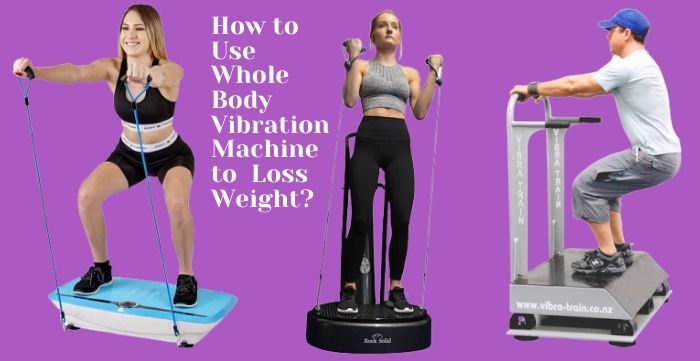
Whole-body vibration machines have moved into neighborhood gyms and home living rooms, prompting widespread interest in how these shaking platforms might aid in weight management. According to Healthline, these devices use whole-body vibrations to force muscles to contract reflexively. While passive standing on a vibrating platform requires minimal effort, achieving measurable fat loss and muscle engagement requires proper posture, a beginner-appropriate frequency, and active exercises rather than simply standing still.
Medical and fitness research indicates that whole-body vibration stimulates muscle fibers through involuntary reflexes, increasing overall energy expenditure. Understanding the physiological mechanisms, safety protocols, and evidence-based routines helps users maximize results while avoiding joint strain or injury.
What the Clinical Trials Reveal About Body Composition
Research published on Healthline highlights that whole-body vibration causes rapid, involuntary muscle contractions verified by electromyographs measuring electrical activity in muscle tissue. While older studies suggest potential benefits for fat loss and muscle gain, many trials involved small sample sizes or focused on individuals who were physically inactive or had obesity. An analysis from 2019 evaluating seven trials with a total of 280 participants found that whole-body vibration resulted in substantial fat loss, though studies lasting under 6 months did not demonstrate a significant shift in overall body fat percentage.
Additional studies examining body composition reinforce the importance of combining vibration training with dietary adjustments. A 2016 clinical study cited by Healthline divided middle-aged women with obesity into three groups: a dieting only group, a dieting and vibration training group, and a dieting and aerobic exercise group. While all three cohorts lost body fat, the participants engaging in vibration training or aerobic exercise lost more fat than those relying on diet alone. According to findings highlighted by researchers, pairing vibration workouts with a diet regimen proved just as effective over a 9-month period as combining aerobic workouts with dieting.
Structuring Active Routines for Maximum Muscle Engagement
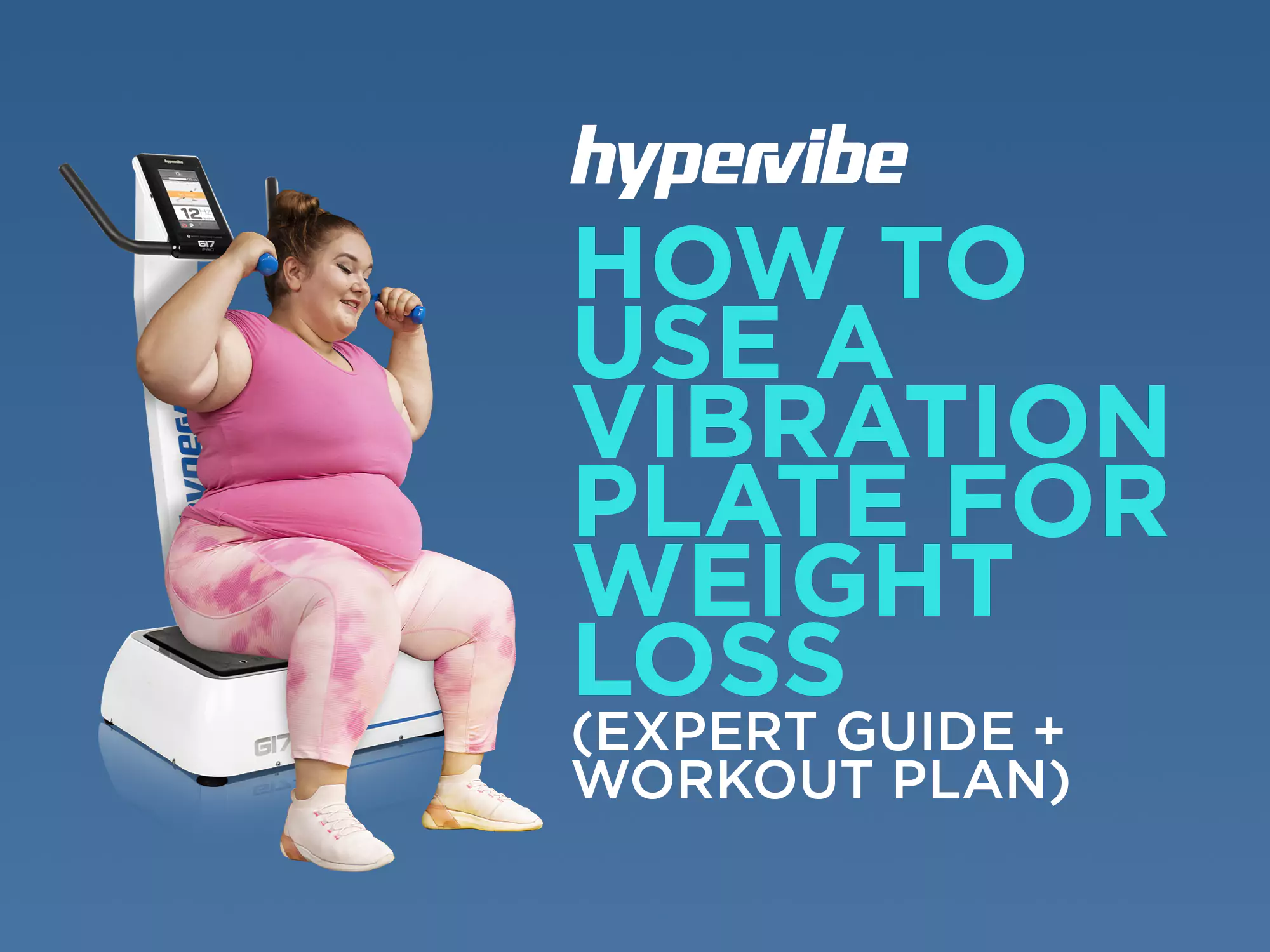
To use a vibration machine safely and effectively for weight loss, fitness professionals at Hypervibe recommend structuring sessions around targeted movements rather than passive postures. A standard routine involves performing active exercises such as dynamic squats, planks, alternating lunges, and push-ups directly on the platform. Trainers suggest working out for ten to twenty minutes, three to five times per week, maintaining a frequency of twenty to thirty Hz to trigger deep muscle contractions without overloading the joints.
Safety Protocols and Form Requirements for Beginners
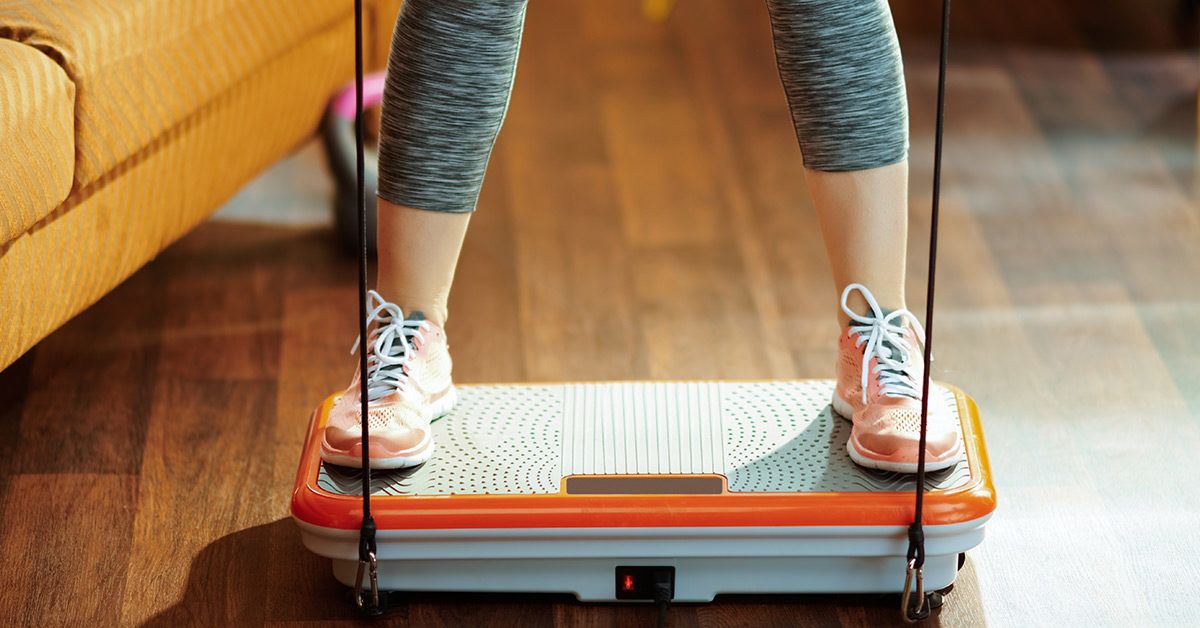
Proper preparation and body positioning are critical components of a safe vibration workout. Experts advise wearing thin-soled shoes or socks, maintaining a soft-knee stance with soft-bent elbows to protect joints, and keeping a neutral spine with a braced core. Beginners should start with lower frequencies around eight to twelve Hz for a brief warm-up before progressing to moderate settings. Individuals at a high risk of falling should consider exercises they can perform while lying on their back or sitting down, as opposed to standing.
Managing Risks and Consulting Healthcare Professionals
While vibration plates offer an efficient way to stimulate up to ninety-five percent of muscle fibers according to coaching guides from Hypervibe, safety guidelines advise caution. Prolonged, occupational exposure to vibrations—such as through using jackhammers, driving delivery vehicles, and using earth-moving equipment—is linked in separate studies to an increased risk of developing pain in the back, neck, hand, shoulder, and hip, making proper form, moderate session lengths, and adequate rest periods essential for home and gym users. Readers seeking personalized health advice should consult a qualified physician or physical therapist before starting any new fitness regimen involving whole-body vibration equipment.
Worth a look