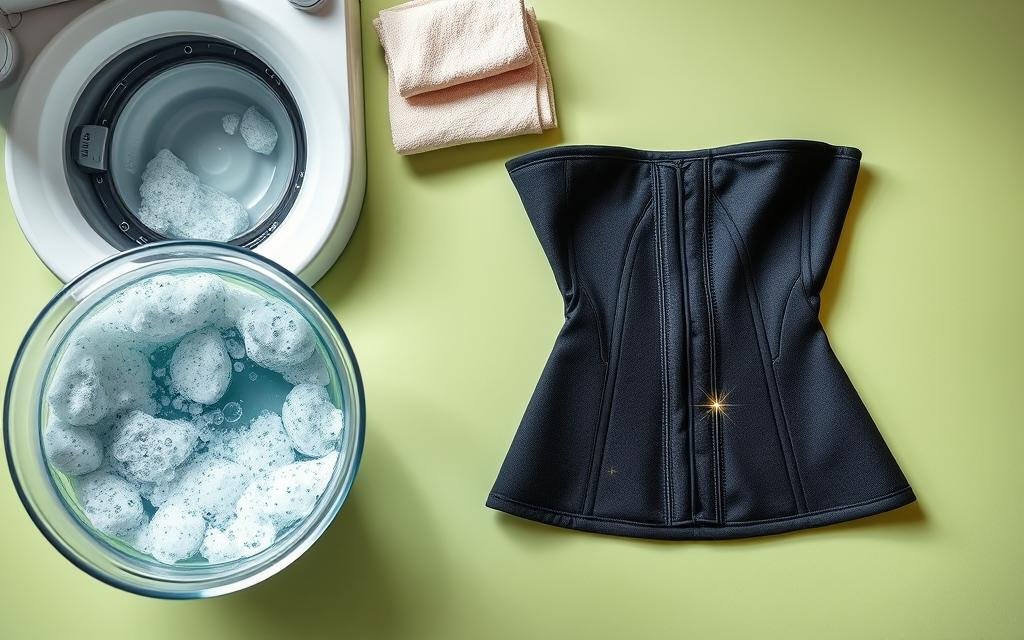
Waist trainers have become a popular accessory in fitness and shapewear routines, often worn during workouts or throughout the day to support posture and create a streamlined silhouette. As their use grows, so does the need for proper care—especially when it comes to cleaning. Knowing how to wash a waist trainer correctly is essential not only for hygiene but as well for preserving the garment’s elasticity, compression strength, and overall lifespan.
Improper washing can damage the delicate materials commonly used in waist trainers, such as latex, neoprene, spandex, or nylon blends. These fabrics are designed to provide firm compression and flexibility, but they can break down when exposed to harsh detergents, high heat, or aggressive agitation. Over time, this leads to loss of shape, reduced effectiveness, and unpleasant odors caused by trapped sweat and bacteria.
To maintain both performance and comfort, experts recommend a gentle, consistent cleaning routine. Hand washing is widely considered the safest method, as it minimizes stress on seams and fabric. Using mild, fragrance-free soap or a specialized activewear cleanser helps remove oils and residue without degrading elastic fibers. After washing, air drying flat or hanging away from direct sunlight prevents heat damage and maintains the trainer’s structural integrity.
Whereas some manufacturers may label certain waist trainers as machine washable, even those should be placed in a mesh laundry bag and washed on a delicate cycle with cold water. Avoiding bleach, fabric softeners, and tumble drying is critical, as these can weaken coatings, cause cracking in latex layers, or leave behind residues that irritate the skin.
Beyond washing, proper storage also plays a role in longevity. Keeping the waist trainer in a cool, dry place—ideally rolled or laid flat rather than folded tightly—helps prevent creasing and material fatigue. Regular cleaning after each use, especially following intense workouts, reduces buildup of sweat and bacteria, keeping the garment fresh and safe for continued use.
For individuals incorporating waist trainers into their fitness or wellness routines, understanding these care principles ensures the garment remains supportive, hygienic, and effective over time. Rather than relying on guesswork, following manufacturer guidelines—when available—and adhering to proven fabric care practices offers the best path to maintaining both performance and comfort.
Related reading