
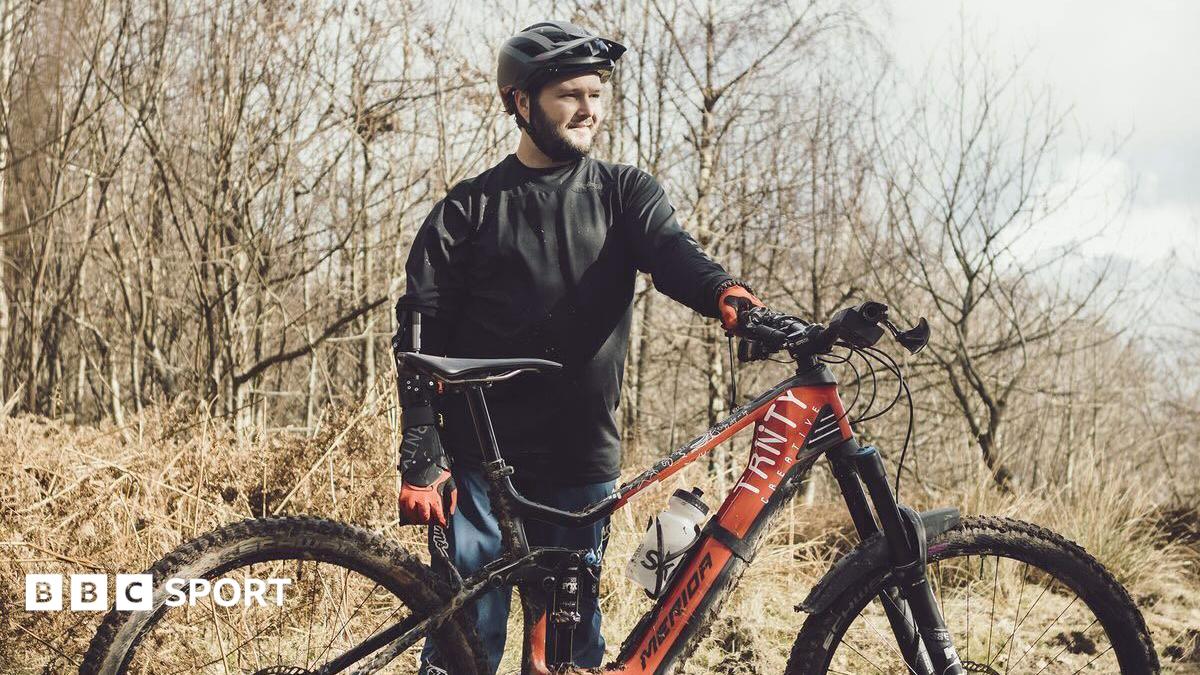
Former professional mountain biker Tom Wheeler, who sustained a career-ending spinal cord injury in 2011, has successfully transitioned from athlete to innovator by developing adaptive mountain biking (aMTB) technology that enables riders with physical disabilities to navigate technical terrain. Through his organization, Wheels 4 Me, and collaborations with specialized frame builders, Wheeler has spearheaded the design of bespoke equipment that compensates for limited mobility, allowing riders with nerve damage or paralysis to return to the trails.
The development of these adaptive machines represents a significant shift in inclusive sports technology. By modifying geometry and incorporating specialized hand-control systems, Wheeler has addressed a long-standing barrier for athletes who previously faced limited options for off-road cycling. According to industry reports from organizations like British Cycling, the rise of aMTB is being supported by increased investment in trail accessibility and the formal recognition of adaptive categories in competitive events.
The Injury and the Innovation
Wheeler’s path to engineering adaptive solutions began following a life-altering crash during a mountain bike race. The incident resulted in significant nerve damage, which initially sidelined his career as a professional rider. Rather than stepping away from the sport, Wheeler utilized his background in bike mechanics to address the lack of suitable equipment for disabled athletes. His work focuses on integrating electronic shifting and specialized braking systems that can be operated without traditional hand or foot dexterity, as reported in features by Red Bull regarding the evolution of adaptive mountain biking.
The technical requirements for aMTB are rigorous. Unlike standard mountain bikes, these frames must accommodate varying levels of rider stability while maintaining the suspension performance necessary for off-road environments. Wheeler’s designs often feature three-wheel configurations, commonly referred to as trikes, which provide the lateral stability required for riders who may have limited trunk control or balance. This engineering approach allows for a broader demographic of riders to experience the physical and mental health benefits associated with outdoor cycling.
Expanding Access to the Trails
The impact of Wheeler’s work extends beyond individual performance, influencing how trail networks are managed and designed. As the popularity of adaptive cycling grows, land managers and trail advocacy groups are increasingly evaluating the width and gradient of trails to ensure they accommodate the wider wheelbase of adaptive trikes. Data from the International Mountain Bicycling Association (IMBA) suggests that inclusive trail design is becoming a priority for parks departments globally, as they seek to provide equitable access to public lands.
This shift is not merely about equipment; it is about infrastructure. For a rider using an adaptive bike, a trail that is perfectly rideable on a traditional bicycle may be inaccessible if it contains narrow bridges, tight switchbacks, or steep, unmanageable obstacles. By advocating for “adaptive-friendly” trail standards, Wheeler and other proponents of the sport are pushing for a more inclusive definition of what constitutes a mountain bike trail. This movement ensures that the technology developed in the workshop can actually be used in the environment for which it was intended.
The Future of Adaptive Cycling
The professionalization of adaptive mountain biking continues to gain momentum. Major events, including those sanctioned by national cycling federations, have begun to include specific classes for adaptive riders, providing a platform for athletes to compete at a high level. According to the Union Cycliste Internationale (UCI), the governing body for world cycling, the inclusion of para-cycling disciplines in major competitions has been a key driver in fostering technological innovation and public interest.
For those looking to enter the sport, the barrier to entry remains cost and availability. Because these bikes are often custom-built to meet the specific physical needs of the rider, they are significantly more expensive than mass-produced mountain bikes. However, initiatives like Wheels 4 Me are working to lower these barriers by providing expertise and connecting riders with the necessary resources. As manufacturing techniques become more advanced and 3D printing or modular frame designs become more common, the cost of entry is expected to decrease, further democratizing access to the sport.
How to Get Involved
Athletes and enthusiasts interested in adaptive mountain biking can find resources through national governing bodies and regional cycling clubs. Many countries now have dedicated adaptive cycling programs that offer equipment rentals, coaching, and trail guides. Organizations such as British Cycling’s “Get Involved” portal provide comprehensive information on local clubs and events that cater to adaptive riders, ensuring that those looking to start have a clear path to finding the right equipment and support network.
The next major update regarding adaptive cycling standards and event scheduling is expected in the upcoming annual reports from regional cycling federations, which typically release updated competition calendars and accessibility guidance in the first quarter of each year. Readers are encouraged to check their local cycling authority’s official website for the most recent updates on trail accessibility projects and upcoming adaptive clinics in their region. Please share your experiences with adaptive trail access in the comments section below to help our global community of riders stay informed.