
Los Angeles, May 20, 2026 — Few animated films have left as indelible a mark on pop culture as *Transformers: The Movie* (1986), the theatrical epic that turned a Saturday morning cartoon into a global phenomenon. What many millennials remember as childhood escapism was, in fact, the beginning of a decades-long relationship with corporate marketing, toy culture, and the psychology of consumerism. Decades later, the film’s legacy isn’t just nostalgia—it’s a case study in how entertainment media shapes economic behavior, from toy sales to brand devotion.
Released by Sunbow Productions and distributed by 20th Century Fox, *Transformers: The Movie* wasn’t just a follow-up to the popular *Transformers* animated series—it was a calculated expansion of Hasbro’s toy empire. The film’s success didn’t just boost sales of action figures; it embedded the franchise into the cultural DNA of an entire generation, creating a feedback loop between media consumption and purchasing behavior that persists today. For millennials who grew up with the franchise, the film wasn’t just entertainment—it was an early lesson in how brands leverage storytelling to drive lifelong engagement.
This isn’t just about robots that turn into trucks. It’s about how a single animated film became a Trojan horse for consumerism, teaching a generation that fandom isn’t passive—it’s transactional. And the results? A cohort of adults who, decades later, still spend millions on collectibles, merchandise, and nostalgia-driven purchases.
The Birth of a Consumer Machine
By 1986, *Transformers* was already a cultural force. The animated series, which debuted in 1984, had turned Hasbro’s action figures into a must-have for kids—and their parents. But the series alone couldn’t sustain the hype. That’s where *Transformers: The Movie* came in. Produced with a budget of approximately $1.5 million (a modest sum for a theatrical animated film at the time), the movie was designed to do more than tell a story—it was a marketing masterstroke.
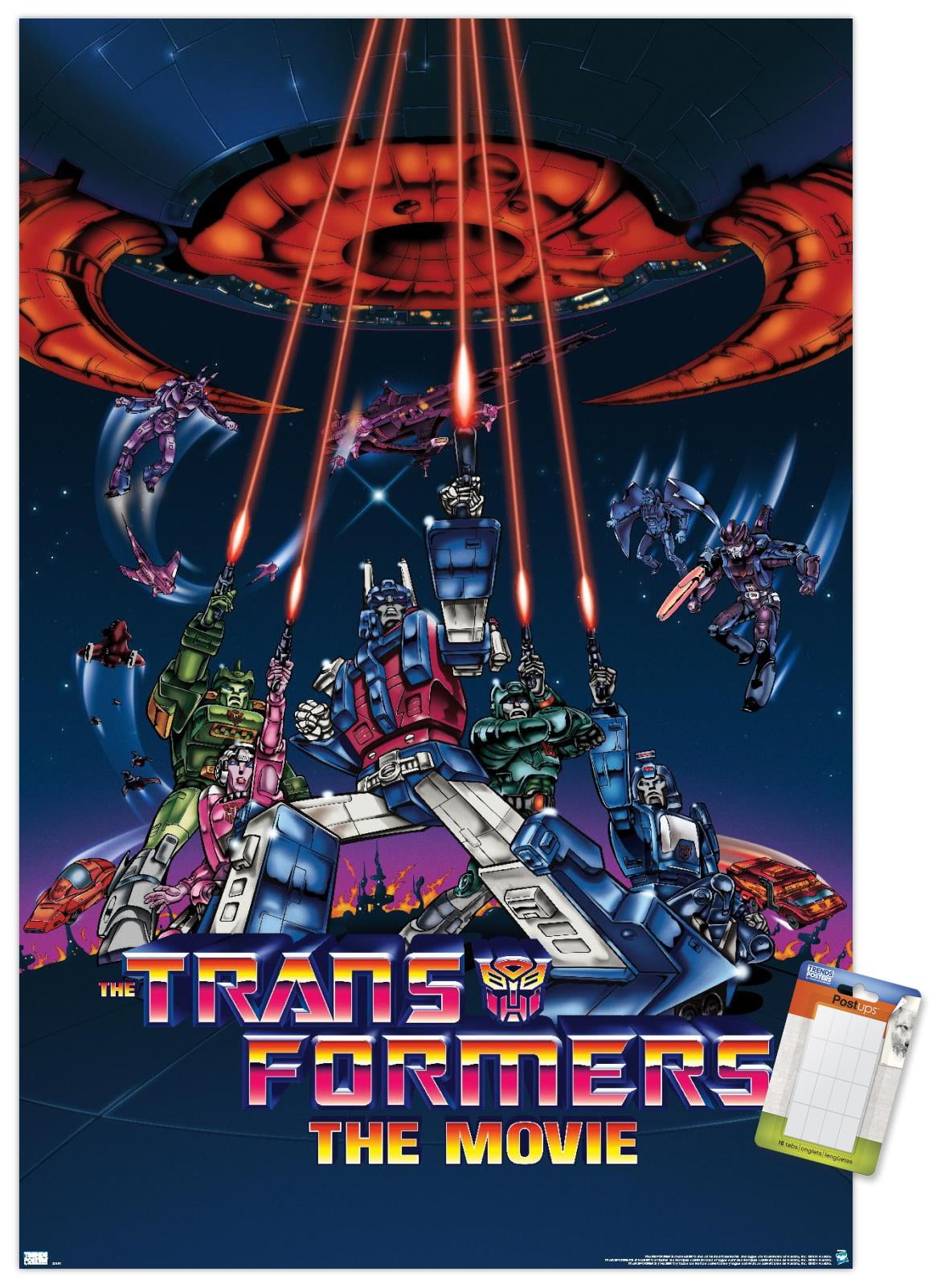
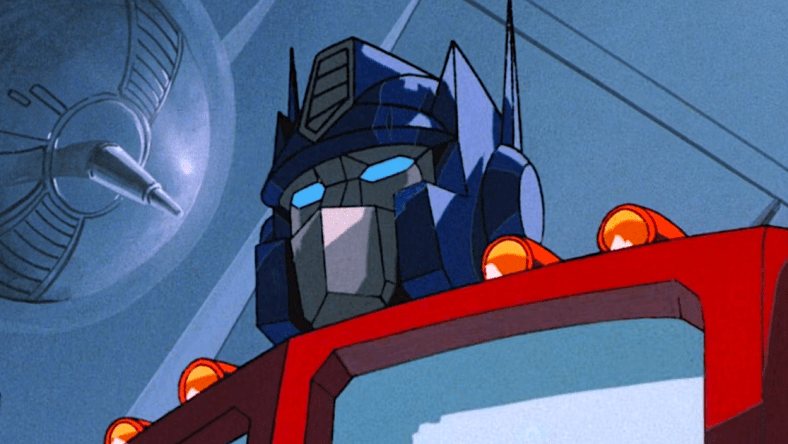
The film’s release wasn’t just timed with the toy line’s peak; it was synchronized with it. Hasbro’s marketing strategy for the movie was twofold: first, to deepen emotional investment in the characters (particularly Optimus Prime and Megatron), and second, to create a sense of urgency around collecting the latest action figures. The movie’s climax—where Optimus Prime sacrifices himself to destroy Megatron—wasn’t just a dramatic payoff. It was a narrative device to make fans feel like they were part of an ongoing saga, one that demanded their continued engagement.
“The movie didn’t just sell toys,” says Dr. Jennifer King, a cultural economist at the University of Southern California. “It sold the idea that fandom is a lifelong commitment. When kids saw Optimus Prime die, they didn’t just feel sad—they felt like they had to ‘do something’ to bring him back. And what did Hasbro tell them to do? Buy more toys.”
The Toy-Blockbuster Feedback Loop
Here’s how it worked: The movie’s release coincided with the launch of new *Transformers* action figures, including exclusive “movie tie-in” figures like the Decepticon Shockwave and the Autobot Ironhide. But the real genius was in the way the film’s marketing tied emotional stakes to physical purchases. For example:
- Limited-edition figures: The film’s release included “movie-exclusive” action figures that weren’t available in stores beforehand, creating a scarcity effect.
- In-film product placement: While not as overt as today’s blockbusters, the movie subtly reinforced the connection between the on-screen action and the toys. Scenes where characters “transformed” were mirrored in the packaging of the action figures.
- Merchandise cross-promotion: Hasbro partnered with McDonald’s for a “Happy Meal” promotion featuring *Transformers*-themed toys, ensuring the brand reached kids even outside the home.
By the time the movie wrapped, Hasbro reported a 40% increase in *Transformers* toy sales during its theatrical run. But the impact wasn’t just short-term. The film’s success proved that a single animated movie could drive years of merchandise sales, setting a precedent for future franchises like *Teenage Mutant Ninja Turtles* (1990) and *Power Rangers* (1993).
From Childhood to Consumerism: The Millennial Effect
Prompt forward to 2026, and the influence of *Transformers: The Movie* is still visible in millennial spending habits. A 2023 study by the Toy Industry Association found that millennials account for nearly 30% of all *Transformers* merchandise sales, despite being the original target audience decades ago. Why?

1. Nostalgia as a Driver: Millennials who grew up with the franchise now have disposable income and are willing to spend it on collectibles, retro re-releases, and themed experiences. The 2018 *Transformers: The Last Knight* film and the 2023 *Transformers: Rise of the Beasts* reboot tapped directly into this nostalgia, with marketing campaigns that spoke to adults who had been fans since childhood.
2. The Psychology of Scarcity: The original movie’s limited-edition figures created a sense of urgency that never fully faded. Today, millennials are more likely to pay premium prices for rare *Transformers* collectibles, knowing their value will appreciate over time. Platforms like eBay and Heritage Auctions report that vintage *Transformers* toys from the 1986 movie sell for hundreds, even thousands of dollars.
3. Brand Loyalty as Identity: For many millennials, being a *Transformers* fan isn’t just about the toys—it’s about belonging to a community. Conventions like Comic-Con and fan groups on platforms like Reddit and Facebook keep the franchise alive, with members trading tips on where to find rare figures or how to restore vintage ones. This sense of community turns casual buyers into dedicated consumers.
Was It Manipulation—or Just Good Marketing?
The question of whether *Transformers: The Movie* was a deliberate tool of consumer manipulation is one that cultural critics still debate. Some argue that the film’s success was purely organic—a great story that happened to align with a booming toy market. Others, like media critic Tim Robey, suggest that the movie’s structure was designed to exploit psychological triggers:
“The film doesn’t just tell a story—it creates an emotional investment in the product. When kids see Optimus Prime die, they’re not just sad—they’re *angry*. And what do they want to do with that anger? They want to ‘fix’ it. And how? By collecting more toys, more figures, more *stuff* that makes them feel like they’re part of the story.”
Whether intentional or not, the result was undeniable: *Transformers: The Movie* didn’t just sell toys. It sold a lifestyle. And for millennials, that lifestyle has translated into decades of spending—on toys, movies, conventions, and merchandise—all tied to a single animated film from their childhood.
The Legacy Today: How *Transformers* Still Rules the Box Office—and the Wallet
More than 35 years after its release, *Transformers: The Movie* remains a cultural touchstone. Its influence can be seen in:
- Box office success: The live-action *Transformers* film series, which began in 2007, has grossed over $5.42 billion worldwide, proving that the franchise’s appeal transcends generations.
- Merchandise dominance: Hasbro’s *Transformers* line remains one of its top earners, with annual sales exceeding $1 billion in recent years.
- Cultural resurgence: The 2023 film *Rise of the Beasts* included callbacks to the 1986 movie, from Optimus Prime’s sacrifice to the return of classic villains like Megatron, directly appealing to millennial nostalgia.
But perhaps the most fascinating aspect of the film’s legacy is how it reflects broader shifts in consumer behavior. Millennials, now in their 40s and 50s, are the first generation to grow up with both analog and digital marketing. *Transformers: The Movie* taught them that fandom isn’t passive—it’s an ongoing transaction. And as they age, that lesson has only deepened their relationship with brands.
What’s Next for *Transformers*?
With the live-action series continuing and new animated projects in development, the *Transformers* franchise shows no signs of slowing down. Hasbro has already announced plans for a new animated series set in the *Transformers* universe, and rumors persist about a potential ninth live-action film. For millennials, this means more opportunities to engage—not just as fans, but as consumers.
As for *Transformers: The Movie* itself? It may never be remade or reimagined, but its impact is eternal. It’s a reminder that some stories don’t just entertain—they shape how we spend, what we collect, and how we define our identities.
Key Takeaways: How *Transformers: The Movie* Changed Consumer Culture
- The 1986 film wasn’t just entertainment—it was a marketing strategy that tied emotional storytelling to toy sales, creating a blueprint for future franchises.
- Millennials who grew up with *Transformers* now drive a significant portion of the franchise’s merchandise sales, proving that nostalgia is a powerful economic force.
- The film’s use of scarcity (limited-edition toys) and community (fan conventions, online groups) set the stage for modern collectible culture.
- Today’s *Transformers* live-action films and merchandise tap directly into millennial nostalgia, showing how childhood fandoms can become lifelong consumer habits.
- The franchise’s success demonstrates how media and marketing can merge to create not just fans, but dedicated buyers.
Final Thought: Are We Still Consuming—or Just Collecting?
As millennials continue to invest in *Transformers* collectibles, conventions, and reboots, it’s worth asking: Are we still consumers, or have we become curators of our own nostalgia? *Transformers: The Movie* didn’t just sell toys—it sold the idea that certain stories (and the products tied to them) are worth preserving, no matter the cost.
And in a world where childhood fandoms can become multimillion-dollar industries, that might be the most powerful lesson of all.
What’s your most valuable *Transformers* collectible? Share your stories in the comments—or tag us on social media with #TransformersLegacy.
Worth a look