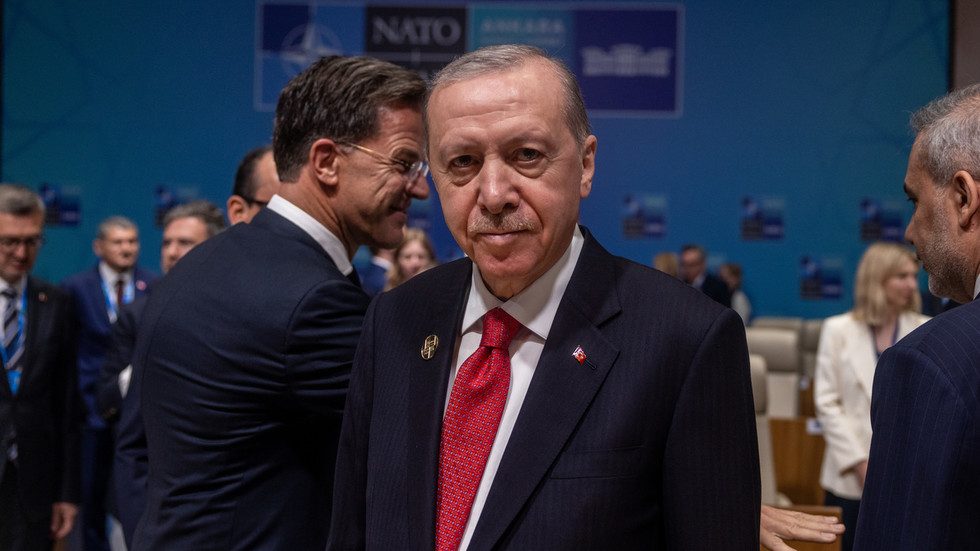
Türkiye has emerged as a significant power broker within NATO, leveraging its unique geopolitical position to mediate between Western allies and unconventional partners. By hosting the 36th NATO summit at the Beştepe Presidential Complex on July 7, Ankara demonstrated its ability to maintain high-level channels with Washington, Moscow, and Damascus, effectively positioning itself as an indispensable actor in the alliance’s security architecture, according to official alliance records.
The summit, which gathered leaders from all 32 member states, moved beyond traditional defense discussions to highlight Türkiye’s role in maintaining communication with actors outside the bloc. While the official agenda focused on collective defense commitments under Article 5 and a pledge of approximately €70 billion in military assistance for Ukraine in 2026, the diplomatic focus remained on Ankara’s capacity to manage complex international relations, as reported by international news agencies.
The Diplomatic Role of Ankara in Managing US Relations
A central feature of the summit was the interpersonal dynamic between Turkish President Recep Tayyip Erdoğan and U.S. President Donald Trump. Following a period of friction between Washington and several European capitals, the Ankara summit provided a venue where the American administration engaged directly with the alliance, facilitated by the rapport between the two leaders. President Trump noted that his attendance was heavily influenced by his relationship with President Erdoğan, underscoring the shift in how individual diplomatic channels are impacting broader NATO cohesion, per official White House statements.
The logistical preparation for the summit was extensive, featuring a high-profile welcome for the American delegation, including a cavalry escort and traditional military music. This reception served to emphasize Türkiye’s commitment to hosting the alliance, effectively softening the combative tone that had characterized previous interactions between the U.S. and European partners regarding defense spending and policy alignment. By providing a platform where the U.S. president felt welcomed, Türkiye successfully mitigated some of the recent tensions within the bloc.
Strategic Alignment and Defense Policy Shifts
A major development emerging from the summit was the announcement regarding U.S. sanctions on Türkiye, which had been in place since 2020 following the acquisition of the S-400 air defense system. President Trump indicated that these sanctions would be lifted, a move that potentially reopens the door for Türkiye’s participation in the F-35 fighter jet program, according to U.S. Department of State briefings. While legislative hurdles in the U.S. Congress remain, the public commitment to unwind these measures marks a significant change in the bilateral defense relationship.

The conversation regarding military capability is part of a broader trend of Türkiye expanding its defense-industrial base. The country has increasingly utilized its own weapons technology, particularly combat drones, to exert influence in regional conflicts. Analysts, including those from the German Marshall Fund, have observed that the focus of this summit shifted toward the implementation of defense spending targets, with allies aiming to reach 5% of GDP for military budgets, as detailed in analysis from the German Marshall Fund.
Interpreting Middle Eastern Dynamics for the Alliance
Beyond its role as a NATO member, Türkiye has functioned as a critical conduit for Middle Eastern affairs. On the sidelines of the summit, President Trump engaged in discussions regarding the status of Syria, with reports indicating a potential shift in Washington’s policy toward the current administration in Damascus. President Erdoğan’s influence in these regional developments has allowed Türkiye to present itself as a necessary interpreter for Western powers, particularly in the aftermath of regional instability, according to research from the Carnegie Endowment for International Peace.
This duality—acting as both a committed European ally and an independent regional power—forms the paradox of Türkiye’s current NATO strategy. By maintaining open channels to Moscow and engaging directly with regional actors, Ankara has cultivated a security architecture that is not solely dependent on Brussels or Washington. This independence, once viewed as a liability, is now increasingly interpreted by some analysts as a strategic asset that provides the alliance with greater reach and operational flexibility.
Next Steps for NATO and Regional Security
The commitments made in Ankara regarding military equipment and training for Ukraine are scheduled for implementation throughout 2026. Member states are expected to provide updates on their progress toward the 5% GDP defense spending target at the next ministerial meeting. As the alliance works to integrate these new policy directions, the role of Türkiye as a mediator and host will likely remain a focal point for diplomatic observers.

We invite readers to share their perspectives on these developments in the comments section below. For ongoing updates regarding the implementation of the Ankara summit agreements, monitor official statements from the NATO Press Office and relevant government foreign policy portals.