
Broken bones typically mend on their own, but the process of natural bone healing can take weeks or months of reduced mobility and discomfort. For years, medical researchers have investigated ways to accelerate these intrinsic repair mechanisms. Now, a research team in Austria has decoded a previously unknown cellular pathway that sheds light on how the human body regenerates skeletal tissue and reveals a direct connection to Vitamin D.
According to findings published in the scientific journal Cells, a protein known as TLR10 plays a critical role in driving the development of mesenchymal stem cells into bone-building cells.
Mesenchymal stem cells act as fundamental repair units within the human body. These versatile cells possess the capacity to develop into various tissue types, including cartilage, fat, and bone, making them central to the healing of fractures and other structural injuries. To uncover how these cells receive signals to form new bone, the Austrian research team conducted a series of targeted laboratory experiments.
The Role of TLR10 and Vitamin D in Stem Cell Differentiation
During their investigation, the researchers utilized mesenchymal stem cells harvested from adipose (fat) tissue. Using genetic engineering techniques, they modified the cells so that they either overproduced or underproduced the TLR10 protein. They then tracked the growth and development of these cells over a two-week period to see how effectively they matured into bone-forming cells and deposited calcium into the surrounding bone matrix.
The results revealed a distinct correlation between TLR10 levels and bone cell maturation. When the stem cells produced higher amounts of TLR10, they matured into bone cells at a faster rate and incorporated more calcium into the bone matrix. Conversely, when the protein was experimentally inhibited, the rate of bone formation dropped significantly. Furthermore, treating these cell cultures with Calcitriol—the active form of Vitamin D—boosted TLR10 production and partially rescued bone-forming activity even in cells genetically depleted of the protein.
While these laboratory observations offer a clearer picture of cellular signaling during skeletal repair, the research team emphasizes that all experiments to date have been conducted exclusively on cell cultures in controlled laboratory environments. Additional studies will be necessary to determine whether these cellular mechanisms operate identically in living organisms outside the lab.
Future Implications for Osteoporosis and Fracture Treatment
The discovery of the TLR10 mechanism opens promising avenues for future medical research and therapeutic development. Investigators believe that understanding how Vitamin D interacts with specific proteins to drive stem cell differentiation could eventually lead to novel treatments designed to accelerate fracture healing or manage degenerative skeletal conditions such as osteoporosis.
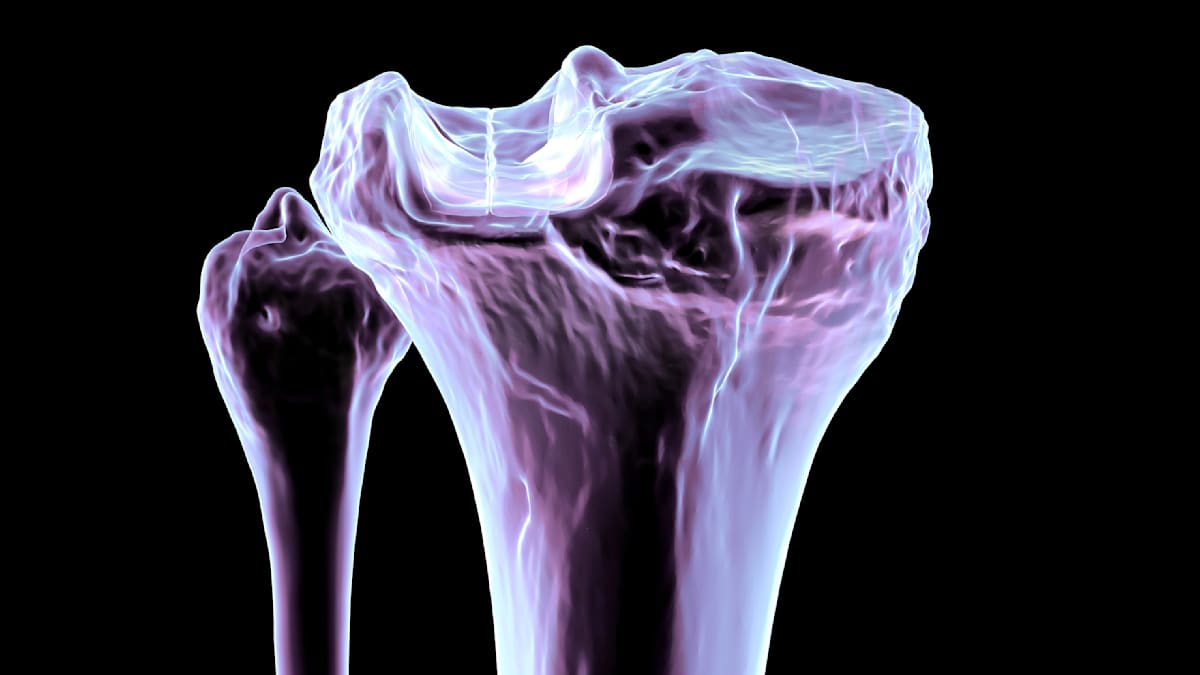
Finding targeted ways to stimulate mesenchymal stem cells remains a goal in regenerative medicine. As research progresses from in vitro cell cultures to broader models, the scientific community moves closer to translating these insights into clinical applications that could one day shorten recovery times for patients with severe fractures.
Keep reading
- Massive Russian Airstrike on Kyiv Shocks Former US Officers Amid Oreshnik Missile Fears
- Asbury Communities Enhances Senior Care with AI-Powered Concierge “Joy
- AI Agents and Scientific Discovery Shape Tech News (newsdirectory3.com)
- Gene Discovery Breakthrough to Accelerate Avocado Breeding Efficiency (world-today-news.com)