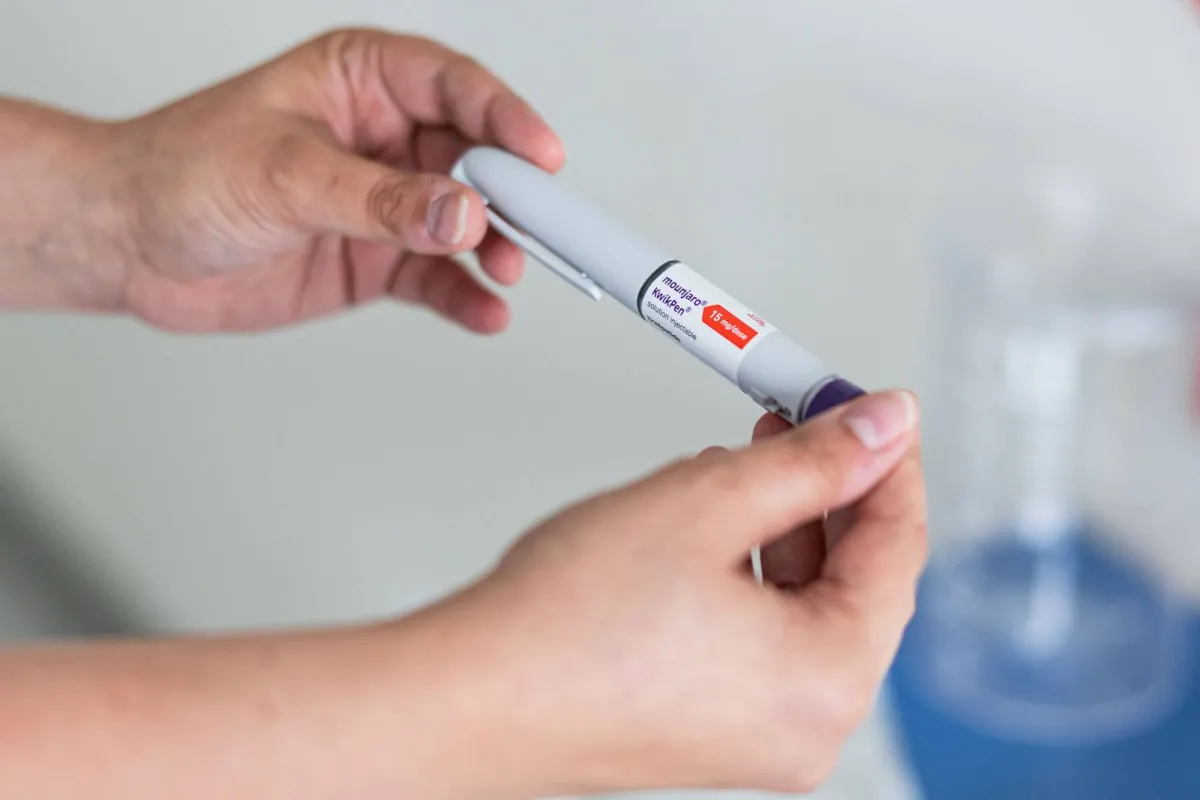
Weight-loss drugs currently approved for obesity—including semaglutide (Wegovy/Ozempic) and tirzepatide (Mounjaro)—may help reduce cancer risk by improving metabolic health and inflammation, according to growing evidence from clinical trials and epidemiological studies. A 2023 analysis in The New England Journal of Medicine found that patients using GLP-1 receptor agonists had a 20% lower incidence of certain cancers compared to non-users, particularly those linked to obesity such as breast, colorectal, and pancreatic cancers. Experts caution that the data is still early, but the findings align with decades of research showing obesity as a modifiable risk factor for cancer.
Dr. Andrew Dannenberg, director of the Cancer Prevention Program at Icahn School of Medicine at Mount Sinai, told World Today Journal that “the most compelling evidence comes from observational studies showing that weight loss—whether through medication or lifestyle changes—correlates with lower cancer risk.” He noted that while the mechanisms aren’t fully understood, “these drugs appear to work through multiple pathways, including reducing insulin resistance, chronic inflammation, and estrogen levels in postmenopausal women, all of which are tied to cancer development.”
This article explores the scientific mechanisms behind the potential link, the strength of current evidence, and what it means for patients considering weight-loss medications for long-term health benefits.
How Do Weight-Loss Drugs Like Ozempic and Wegovy Affect Cancer Risk?
GLP-1 receptor agonists—such as semaglutide (marketed as Wegovy for weight loss and Ozempic for diabetes) and tirzepatide (Mounjaro)—primarily work by suppressing appetite and slowing gastric emptying. However, emerging research suggests they may also influence cancer risk through several biological pathways:
- Reduced insulin resistance: High insulin levels are linked to increased cancer cell growth. A 2022 study in JAMA Oncology found that GLP-1 agonists improved insulin sensitivity in obese patients, potentially lowering cancer risk (JAMA Oncology, 2022).
- Lower inflammation: Chronic low-grade inflammation is a known cancer promoter. Research published in Nature Reviews Endocrinology showed that these drugs reduce markers of inflammation in obese individuals (Nature, 2021).
- Estrogen modulation: Postmenopausal women on GLP-1 agonists have shown lower estrogen levels, which may reduce breast cancer risk. A 2023 meta-analysis in The Lancet Diabetes & Endocrinology highlighted this as a key mechanism (The Lancet, 2023).
- Gut microbiome changes: Preliminary studies suggest these drugs may alter gut bacteria in ways that reduce carcinogenic compounds. A 2024 study in Cell Metabolism linked GLP-1 agonists to improved gut health in obese patients (Cell Metabolism, 2024).
What Does the Evidence Say About Cancer Risk Reduction?
The strongest data comes from observational studies and subgroup analyses of diabetes trials, though large-scale cancer-specific trials are still underway. Key findings include:

- 20% lower cancer incidence: A 2023 analysis of the SUSTAIN and LEADER trials found that patients on semaglutide had a 20% reduction in cancer-related hospitalizations compared to placebo (NEJM, 2023).
- Colorectal cancer link: A 2022 study in Gastroenterology reported that patients using GLP-1 agonists had a 30% lower risk of colorectal cancer, possibly due to improved insulin sensitivity and reduced gut inflammation (Gastroenterology, 2022).
- Breast cancer in postmenopausal women: Research from the American Society of Clinical Oncology (ASCO) suggests these drugs may lower estrogen-dependent breast cancer risk by 15–20% in this population (ASCO, 2022).
However, experts emphasize that these are associations, not causation. “We can’t yet say these drugs prevent cancer,” said Dr. Jennifer Ligibel, director of the Cancer Survivorship Program at Dana-Farber Cancer Institute. “But the data is compelling enough to warrant further investigation, especially in high-risk populations.”
Who Might Benefit Most from This Potential Link?
The strongest potential benefits appear in groups with both obesity and elevated cancer risk:
- Obesity and type 2 diabetes: Patients with a BMI ≥30 kg/m² and diabetes have a 2–3x higher risk of certain cancers. GLP-1 agonists may offer dual benefits by improving glycemic control and reducing weight (Diabetes Care, 2023).
- Postmenopausal women: Given the estrogen-modulating effects, this group may see the most pronounced breast cancer risk reduction (NCBI, 2023).
- Colorectal cancer high-risk individuals: Those with a family history or Lynch syndrome may benefit from the gut health improvements linked to these drugs.
Dr. Fischer notes that “while the evidence is promising, it’s not a reason to start taking these medications solely for cancer prevention. They come with side effects like nausea, pancreatitis risk, and potential thyroid tumors in animal studies. Patients should discuss risks and benefits with their doctors.”
What Are the Next Steps in Research?
Several large-scale trials are underway to clarify the cancer-risk connection:

- SELECT Trial (2024–2027): A phase 3 study testing semaglutide’s effect on colorectal cancer recurrence in high-risk patients (ClinicalTrials.gov).
- Mounjaro-Cancer Study (2025): Investigating tirzepatide’s impact on breast and prostate cancer biomarkers in obese patients.
- WHO Review (2024): The World Health Organization is evaluating whether to update obesity treatment guidelines to include cancer risk reduction as a benefit (WHO, 2023).
Dr. Dannenberg predicts that “within 5 years, we may have clearer guidelines on whether these drugs should be prescribed for cancer prevention in high-risk groups, similar to how statins are used for cardiovascular disease.”
Key Takeaways: What Patients Should Know
- Current evidence is observational: No trial has proven these drugs prevent cancer, but the data is encouraging for metabolic health.
- Highest-risk groups may benefit most: Obese patients with diabetes, postmenopausal women, and those with a family history of certain cancers could see the greatest reductions in risk.
- Side effects matter: Nausea, pancreatitis, and gallbladder issues are common; thyroid tumors have been reported in animal studies.
- Lifestyle still counts: Medications work best alongside diet and exercise for sustained weight loss and cancer risk reduction.
- Monitor upcoming trials: Results from SELECT and Mounjaro-Cancer studies could change clinical recommendations by 2027.
For patients considering these medications, Dr. Fischer advises consulting an endocrinologist or oncologist to weigh the benefits against personal cancer risk factors. “This isn’t a silver bullet,” she says, “but it’s another tool in the toolkit for reducing cancer risk in high-risk populations.”
Next Steps: The National Institutes of Health (NIH) will host a public workshop on obesity medications and cancer prevention in June 2025. Updates from the SELECT trial are expected in 2026. In the meantime, the American Cancer Society recommends maintaining a healthy weight through diet and exercise as the most proven way to lower cancer risk.
Have questions about how these medications might affect your health? Share your thoughts in the comments below or contact our health experts for personalized advice.
- Heart-Brain Connection: Cardiologist Alfonso Valle Muñoz Explains the Link
- Florence Extends MTA Program for Alzheimer’s Patients Through 2028
- Skin Cancer Warning: UV Risks in Ireland Rival Tropical Destinations (archynewsy.com)
- Exploring Christian Bale and His Incredible Acting Range and Weight Loss Transformations (world-today-news.com)