
The landscape of personal finance in Peru has undergone a radical transformation over the last seven years, driven by a rapid shift toward digital financial inclusion. While traditional banking once served as a gatekeeper for household credit, the emergence of mobile-first payment ecosystems—most notably Yape and the integration of digital transaction tools within platforms like WhatsApp—has fundamentally altered how families manage liquidity and interact with debt. As an economist, I have observed that this democratization of financial tools is not merely a technological trend; It’s a structural change in the Peruvian economy.
The core of this shift lies in the reduction of information asymmetry. Historically, many Peruvian households remained outside the formal financial system, relying on informal lenders or high-interest credit lines that exacerbated debt cycles. Today, the widespread adoption of peer-to-peer (P2P) payment platforms has allowed for the digitization of micro-transactions, providing banks and financial institutions with a more accurate picture of a family’s cash flow. This data-driven approach to financial services has been a catalyst for the recent observed trends in debt management, as documented in various Superintendencia de Banca, Seguros y AFP (SBS) reports regarding financial inclusion metrics.
The Mechanics of Digital Inclusion and Debt Reduction
The integration of mobile payment solutions has acted as a bridge between the informal economy and formal credit markets. By facilitating seamless, instant transfers, Yape—an initiative spearheaded by BCP—has effectively lowered the barrier to entry for millions of unbanked or underbanked citizens. When individuals use these platforms to conduct their daily business, they generate a digital footprint that acts as a proxy for creditworthiness. According to the Central Reserve Bank of Peru (BCRP), the expansion of digital payments has been instrumental in reducing the reliance on high-cost informal credit, thereby helping families maintain better control over their debt-to-income ratios.

WhatsApp, while primarily a communication tool, has become an essential interface for commercial interaction in Latin America. Small businesses and service providers now use the platform not only to coordinate sales but also to manage payment links and track receivables. This convergence of communication and finance allows for a more “just-in-time” approach to household budgeting. By reducing the friction associated with collecting payments or settling debts, families are less likely to resort to emergency borrowing, which often carries predatory interest rates.
However, it is crucial to note that while digital tools have provided a pathway to lower debt, they have also introduced new risks. The ease of access to credit—often pushed through these same digital channels—requires a higher level of financial literacy. The OECD’s ongoing work on financial education emphasizes that technology alone cannot solve debt issues; it must be coupled with sound fiscal habits and consumer protection policies, which remain a primary focus for regulators in the region.
Data-Driven Insights: A Shift in Household Balance Sheets
Over the past seven years, the composition of household debt in Peru has shifted. Data from the SBS confirms that while total credit volume has grown in line with the economy, the nature of this debt has moved away from high-interest revolving credit toward more structured, traceable financial products. This transition is in part due to the “digitalization of the household ledger.” When a family can track every cent through a mobile app, the psychological and practical barriers to overspending become more apparent.
the competition between traditional banks and fintech entities has forced a reduction in transaction costs. In previous decades, the fees associated with maintaining a bank account or transferring funds were often prohibitive for low-income households. Today, the “zero-fee” model championed by platforms like Yape has removed these obstacles, allowing families to keep more of their income to pay down existing principal rather than servicing interest and administrative fees.
Key Takeaways for the Digital Financial Era
- Digitization of Income: Mobile platforms have allowed informal workers to formalize their income streams, making them more attractive to regulated financial institutions.
- Reduced Transactional Friction: The ability to send and receive money in real-time has minimized the need for emergency, high-interest loans.
- Financial Transparency: Digital records provide households with a clearer view of their spending habits, fostering better debt management.
- Regulatory Vigilance: As digital credit expands, regulators continue to focus on data privacy and the prevention of predatory lending practices via mobile apps.
What Happens Next: The Future of Peruvian Financial Policy
As we look toward the remainder of the decade, the focus of the Peruvian financial sector will likely shift from simple account adoption to the quality of financial products. The Ministry of Economy and Finance (MEF) is expected to continue its push for interoperability between different payment systems, which will further lower costs for consumers and increase competition among providers. Interoperability is the next major frontier; it will ensure that a user on one platform can seamlessly transact with a user on another, further reducing the costs associated with financial fragmentation.
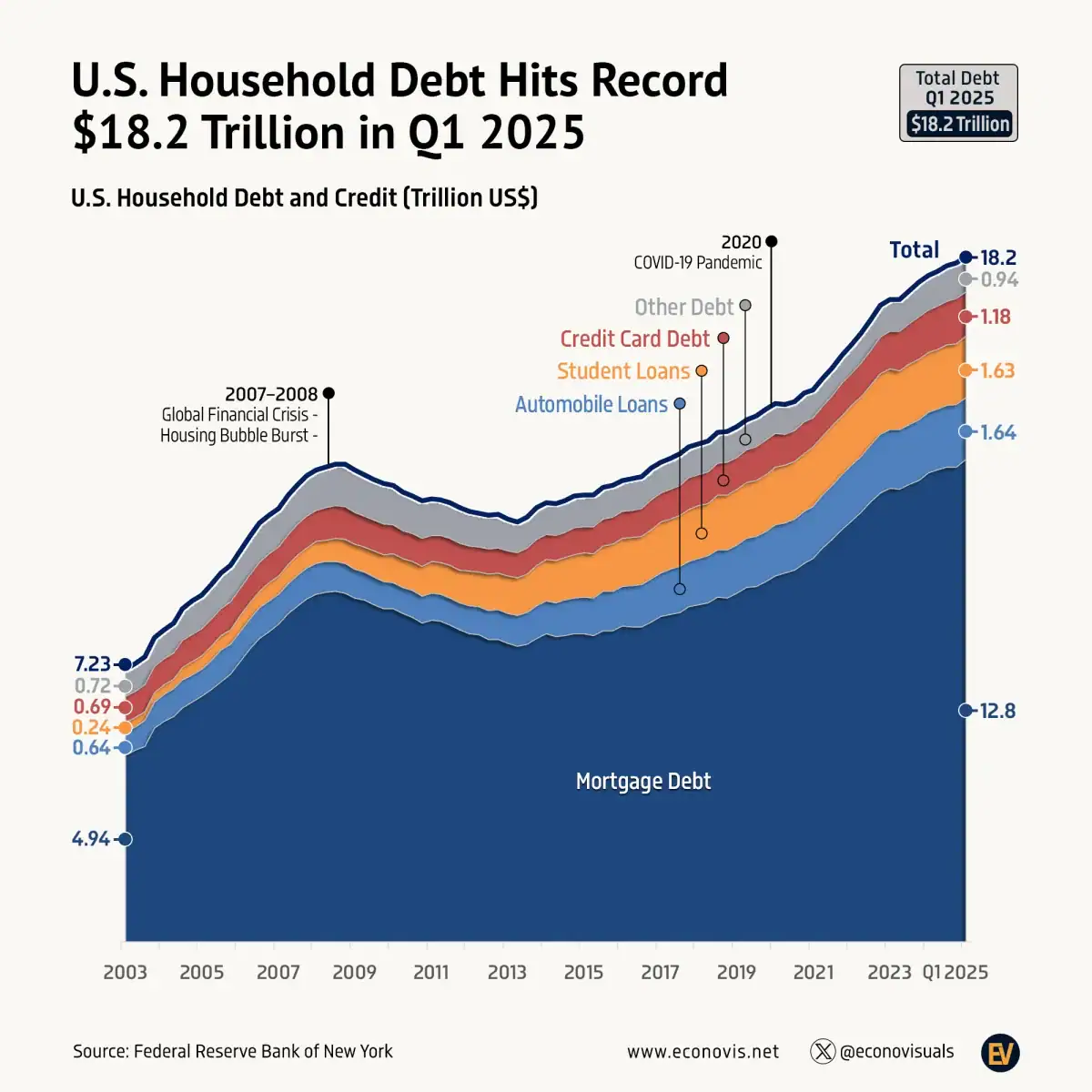
For the average family, the message is clear: while technology has provided the tools to manage debt more effectively, the responsibility remains with the consumer to leverage these tools for long-term stability. The next official update regarding financial inclusion statistics is expected in the upcoming quarterly report from the SBS. Readers are encouraged to monitor the SBS Statistics Portal for the most recent data on credit trends and financial access levels.
How has the shift to mobile payments changed your approach to household budgeting? I invite you to share your experiences and perspectives in the comments section below as we continue to track these important economic developments.
Worth a look